
 Duane Beckett
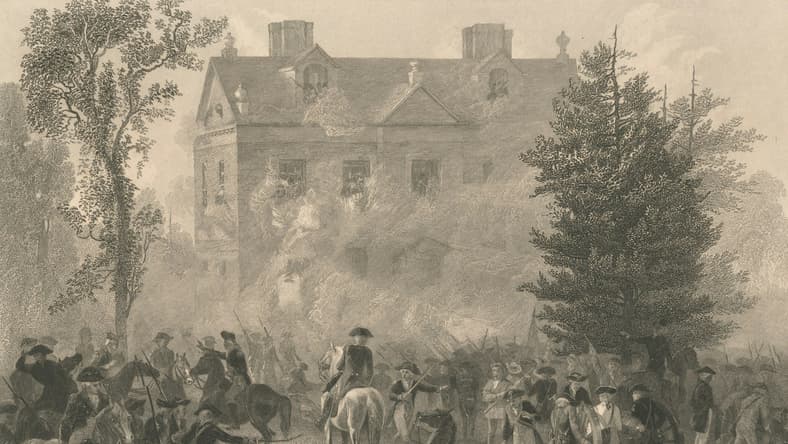
This is not a list of Revolutionary War battlefield heroes. Instead, it looks at the wider American Revolution, the movement that pushed the colonies toward independence before and during the war itself. Some of these unsung heroes of the American Revolution used words, some used money, and some became symbols that helped shape the country before it even had a name.
Thomas Paine, The Pen That Started It All
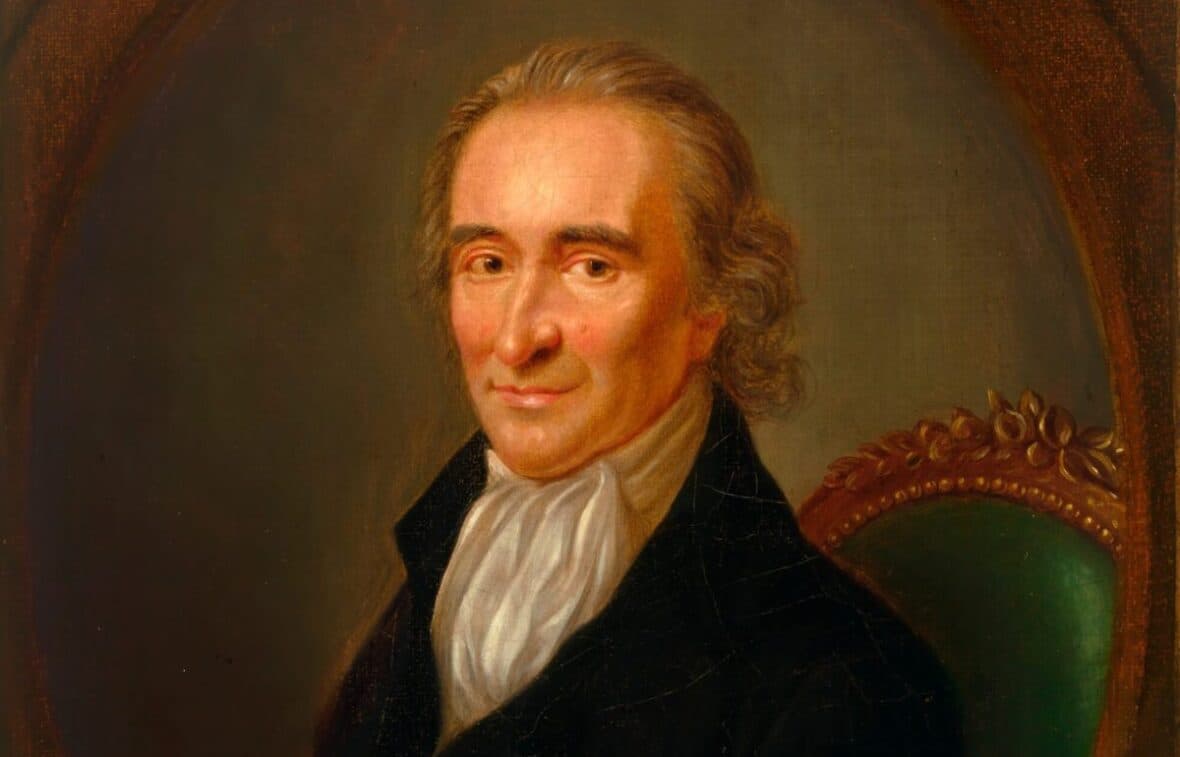
Thomas Paine arrived from England and, almost overnight, changed the argument in America. Paine wrote a pamphlet called Common Sense. It came out on January 10, 1776, and sold 120,000 copies within three months, which is unbelievable for the time.
The pamphlet pushed colonists to stop asking for better treatment from Britain and instead start demanding independence. The beauty of the pamphlet was that its message was one that regular people could understand. Paine made independence sound possible to the masses, not just political insiders, using a pen as his weapon.
Haym Salomon, The Man Who Bankrolled Freedom
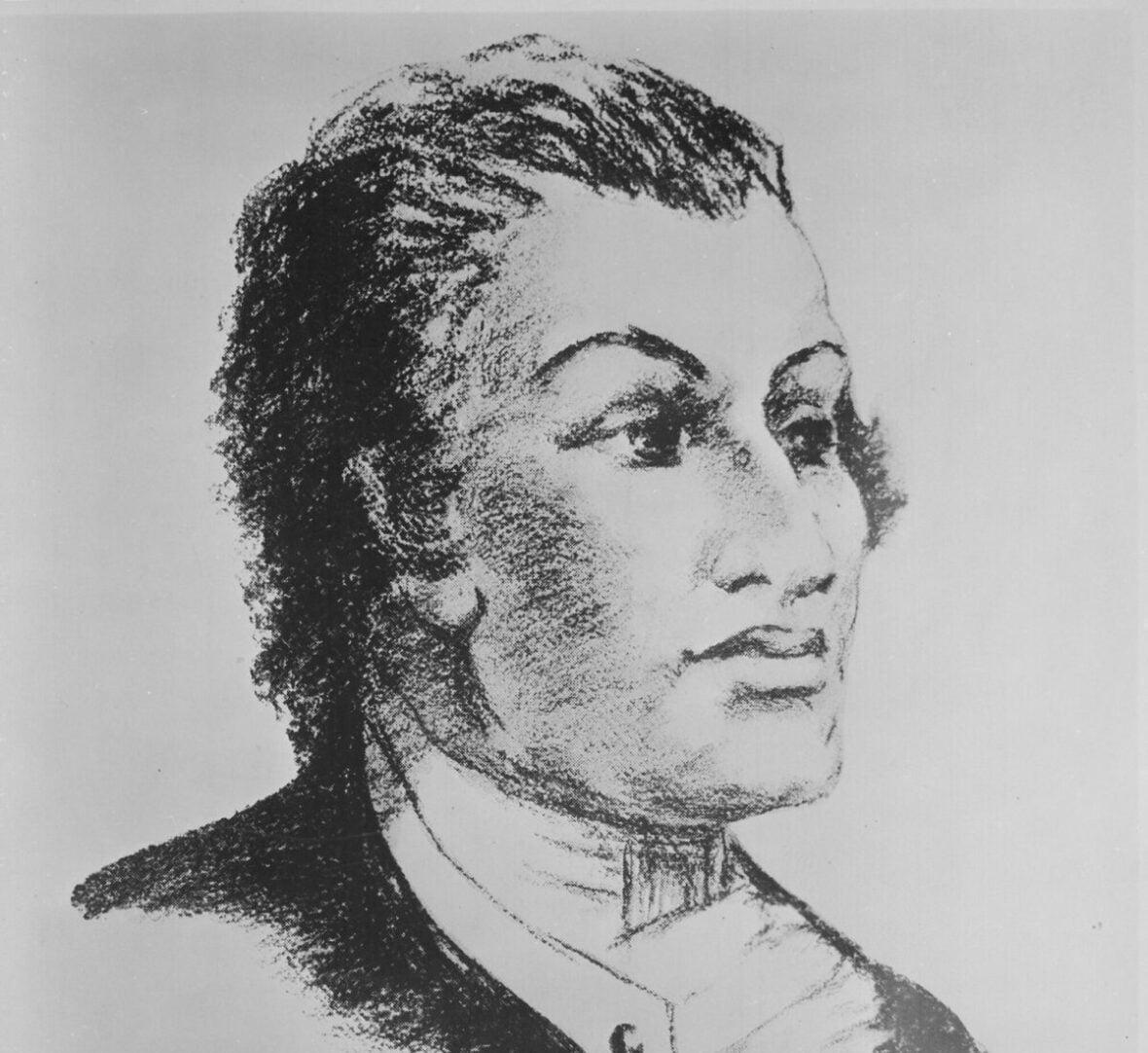
The people who spend big money to change things rarely get the hero treatment, but Haym Salomon deserves it. He was a Polish-born Jewish immigrant who became one of the Revolution’s key financiers, helping raise and lend money when the American cause badly needed it.
The American Battlefield Trust reported that Salomon personally loaned $650,000 to the American cause between 1781 and 1784. That’s the kind of behind-the-scenes work that keeps a movement alive when speeches are not enough. His hero status comes from risking his own fortune for a country still trying to survive. Amazingly, Salomon died penniless in 1785.
Mercy Otis Warren, The Revolution’s Propagandist-in-Chief
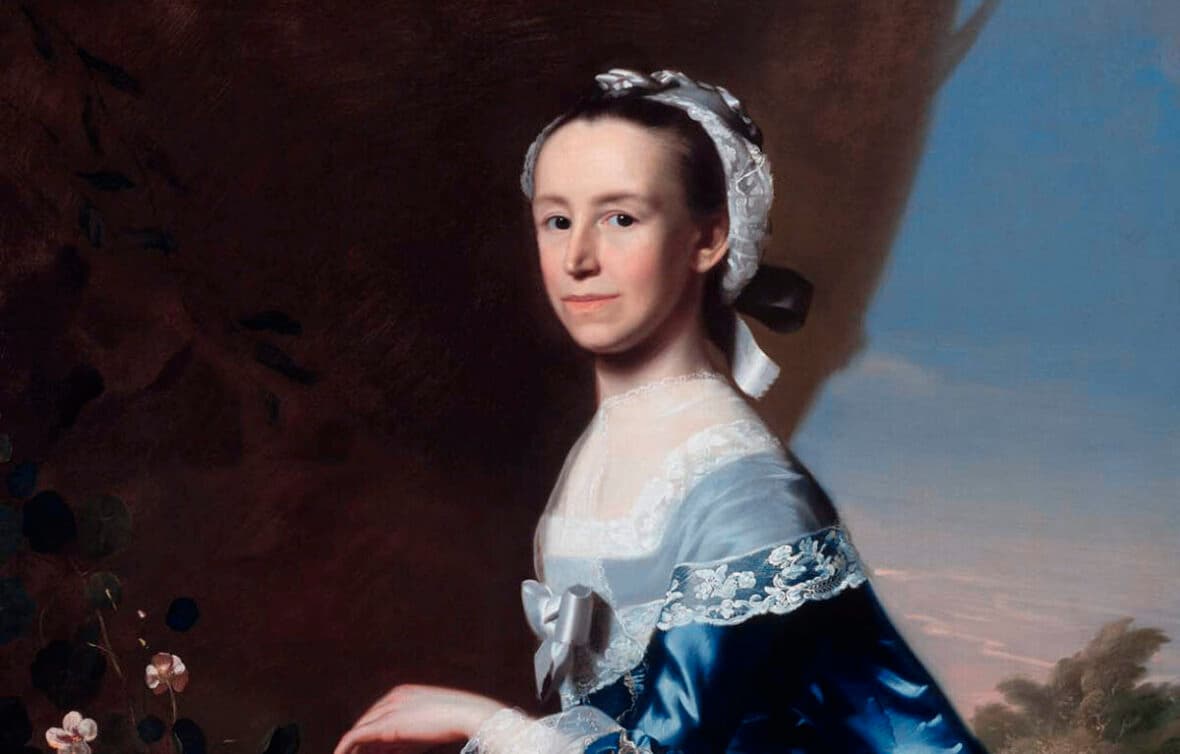
Mercy Otis Warren fought with satire, plays, and political writing at a time when women were expected to stay out of public debate. She used words like weapons and helped shape Patriot thinking before independence became official.
The National Women’s History Museum states that Warren was a poet, political playwright, and satirist during the American Revolution. Her 1772 play, The Adulator, attacked colonial leadership loyal to Britain, years before the Declaration of Independence. I love that detail because it feels like the colonial version of calling out the villain before everyone else sees the plot.
Crispus Attucks, The First to Fall
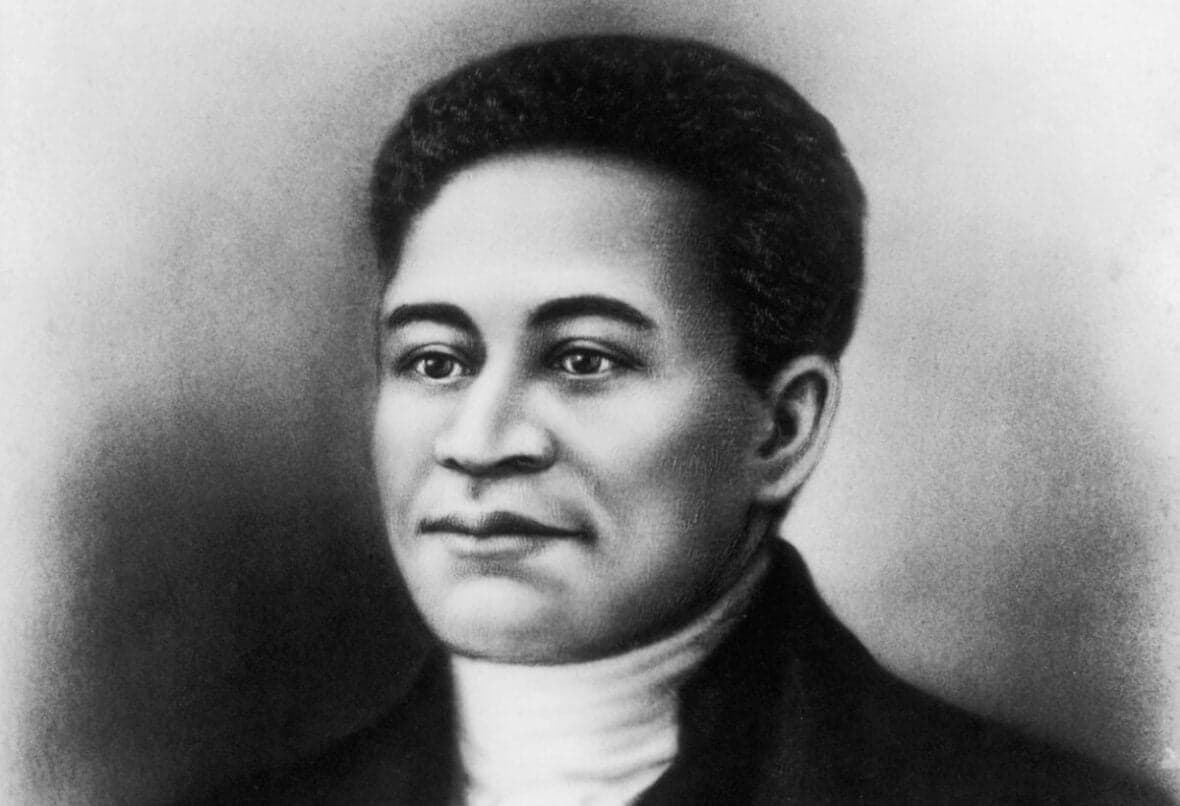
Crispus Attucks became a symbol before America was even a country. A sailor and dockworker of African and Indigenous descent, he was the first person killed in the Boston Massacre on March 5, 1770.
According to the National Park Service, Attucks’ death gave the Patriot movement a martyr, and the event became one of the strongest rallying points against British rule. Even though Attucks was dead, he became one of the many unsung heroes of the American Revolution.
The Smithsonian describes him and the others killed that night as the first casualties of the American Revolution.
Elbridge Gerry, The Anti-Constitution Patriot
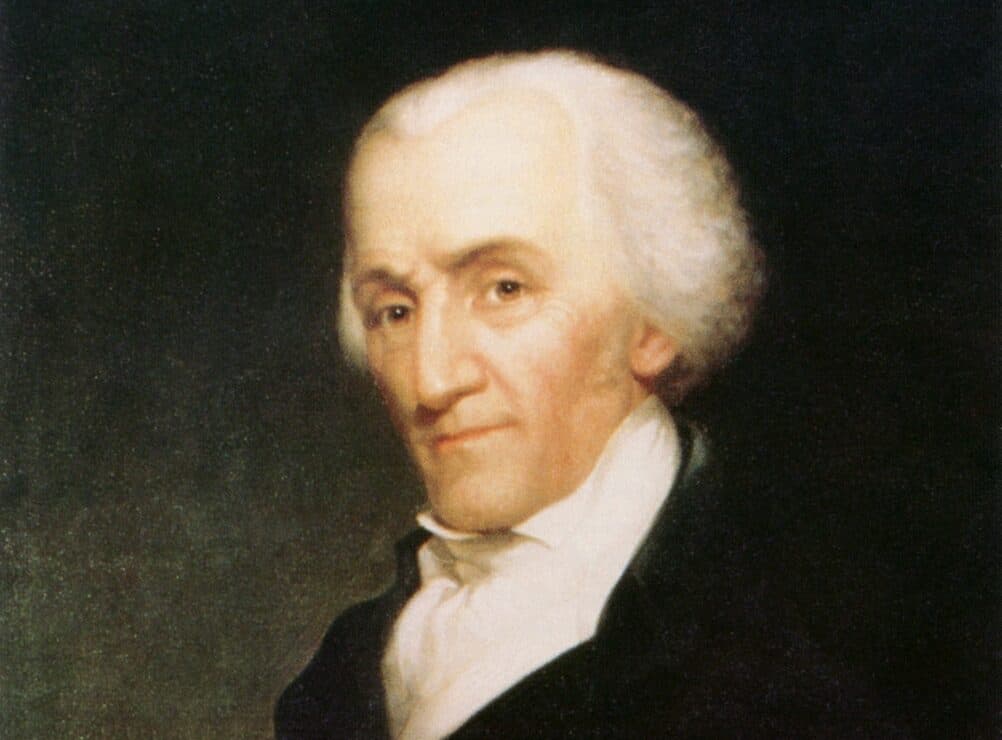
Elbridge Gerry signed the Declaration of Independence, but he refused to sign the Constitution. That sounds strange at first, but he believed the original document did not do enough to protect individual rights.
The National Archives states that Gerry objected to the Constitution and could not sign it. The National Constitution Center also says he worked against ratification in Massachusetts. His hero moment was dissent. Not the loud, attention-seeking kind, but the kind that helped build pressure for a Bill of Rights.
The odd footnote is that his name later gave us “gerrymandering,” thanks to a strange Massachusetts voting district.
Stephen Moylan, The Man Who Named the Nation
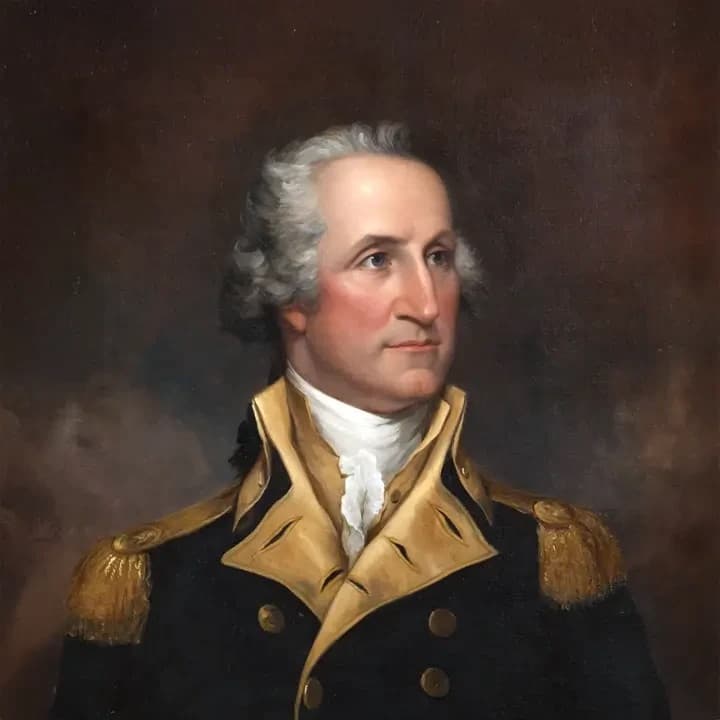
Stephen Moylan is the kind of person American historians love to stumble across. He was an Irish-born businessman in Philadelphia who served close to George Washington and helped with the early administration of the Continental Army.
Irish America 250 states that Moylan used the phrase “United States of America” in a January 2, 1776, letter, described as the earliest known written use of the nation’s name. That’s his core claim to fame, a phrase that stuck. For a country still figuring out what it was, that’s a long-lasting contribution.