
 Duane Beckett
Revolutionary War weapons were built for a slower and more brutal kind of combat. Soldiers fired, reloaded, marched in tight lines, and often fought up close in improvised ways. Some tools from that era now look strange compared to modern weapons and battle gear. These items may now look like museum oddities, but each one had a serious job.
The socket bayonet that turns a musket into a spear
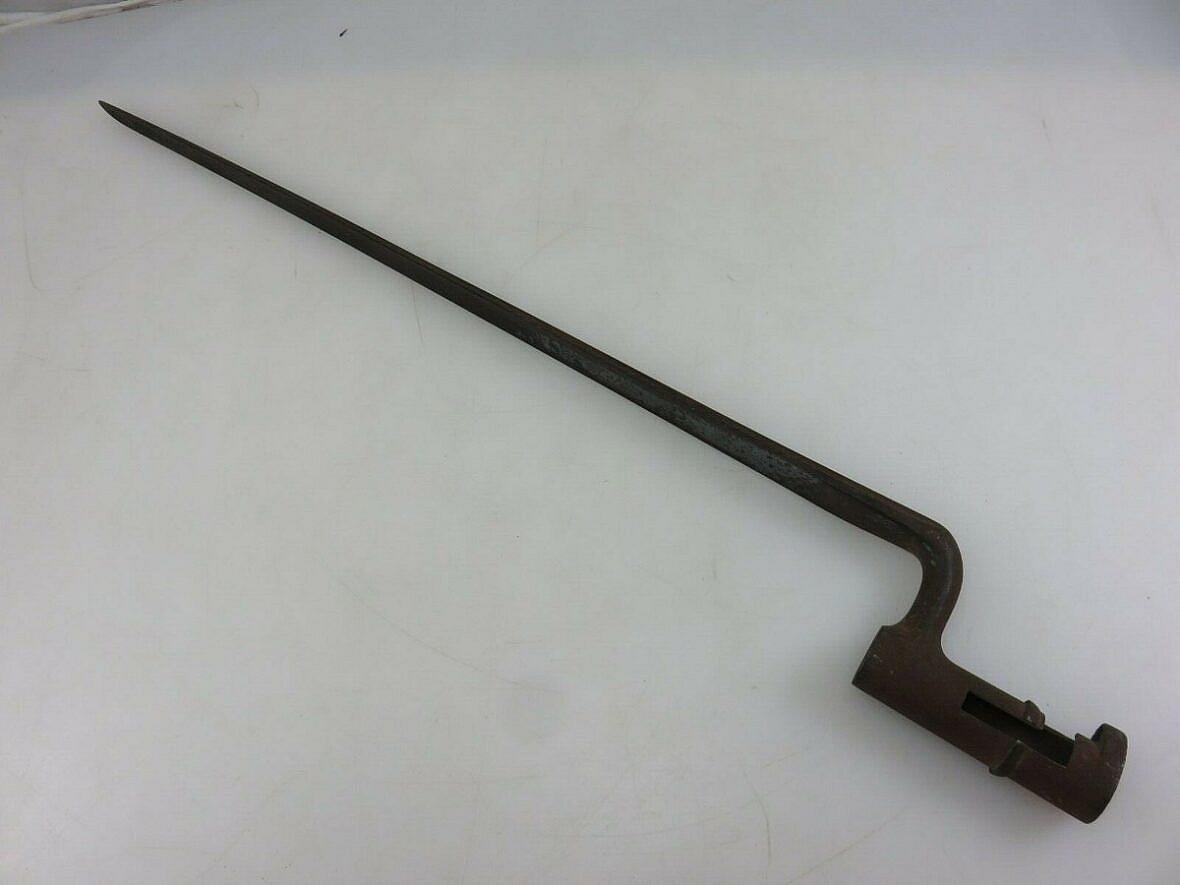
The socket bayonet was a metal spike that slipped over the end of a musket barrel. During the Revolutionary War, soldiers used it after firing slow musket volleys, especially when fighting close in hand-to-hand combat.
War.gov reported that the Brown Bess musket was slow to load and fired about three rounds per minute, so bayonet charges became a major part of battle.
The thing looks strange today because it turns a firearm into a long spear. Very old-school. Ranker highlights that bayonets were crucial once battle lines broke down.
Spontoon, an officer’s half‑pike
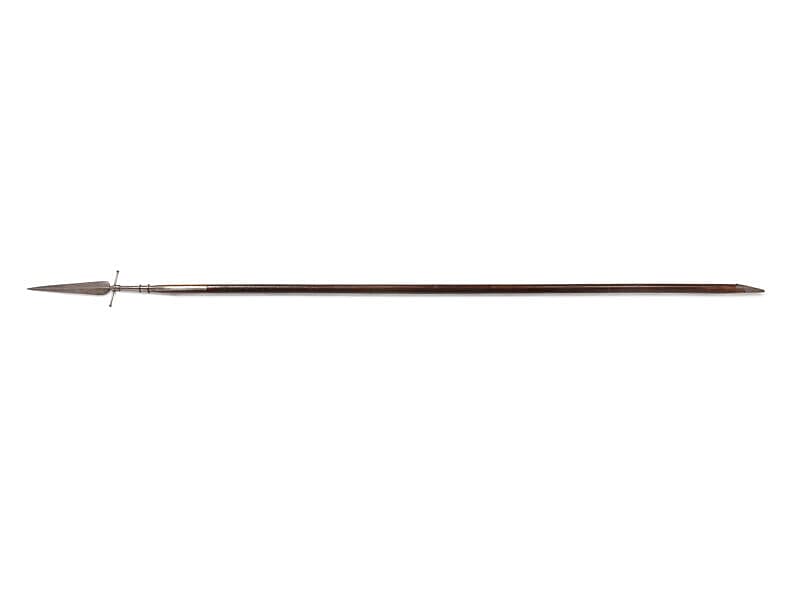
A spontoon was a short pike, or half-pike, carried by officers and some sergeants. It had a long wooden shaft with a steel spear point and sometimes small side bars near the blade.
According to Encyclopedia.com, the spontoon was a badge of officer rank that evolved from the halberd and was still connected to Revolutionary War-era armies. It was used for authority, direction, and defense.
To modern eyes, it looks like something between a marching staff and a fantasy prop. These can have serious collector appeal, but carrying a spear to signal troops feels wild now.
The swivel gun
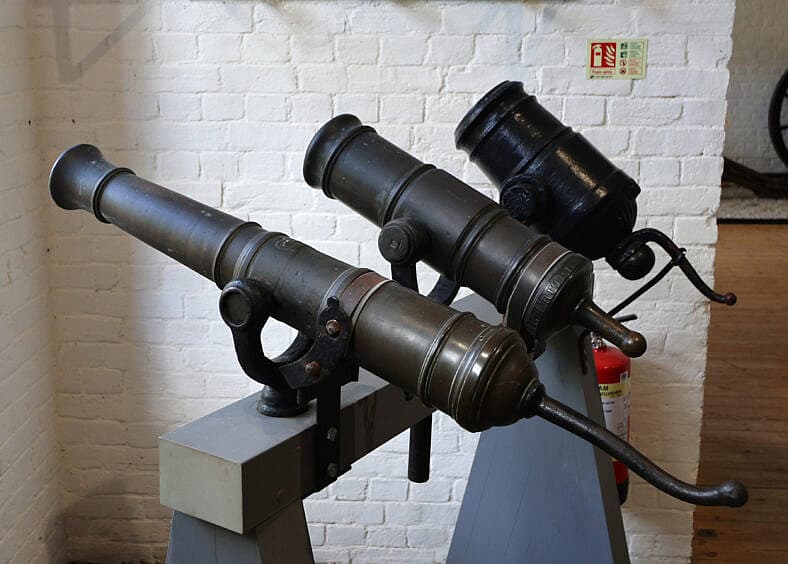
A swivel gun was a small cannon mounted on a rotating stand. It could pivot quickly, which made it useful on ships, forts, and hard-to-reach positions during the Revolutionary War period.
The National Park Service states that swivel guns had a bore of about 1 1/2 inches, used a handle near the breech, and fired shot, canister, or grapeshot. It looks odd because it’s basically a mini cannon stuck on a post. It has the look of a rail-mounted blast machine from an old pirate movie.
The powder horn
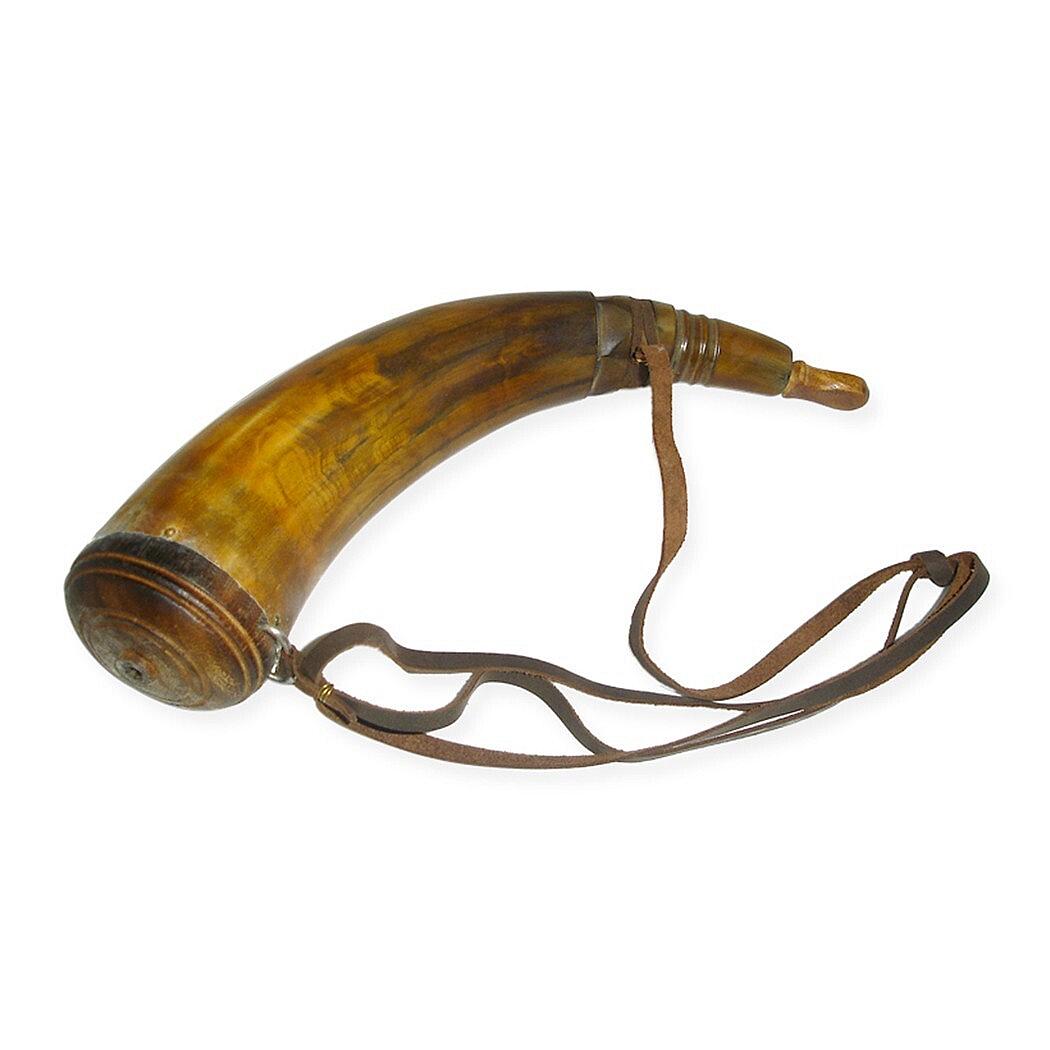
A powder horn wasn’t a weapon, but an essential piece of battle gear for Revolutionary War weapons. It was made from curved animal horn and carried loose black powder, which was needed for muskets and rifles. Practically anyone using a firearm needed this item, from soldiers to hunters. The militia used them during the Revolutionary War because dry powder could be the difference between life and death.
The American Revolution Institute clearly describes powder horns as part of everyday military life and as an eye-opening reminder of how 18th-century war was actually fought. Today, ammunition comes in sealed cartridges and magazines. The idea of a fighter needing to pour powder carefully from a carved horn before loading and firing feels strange compared to today’s standards.
The “Grasshopper” cannon
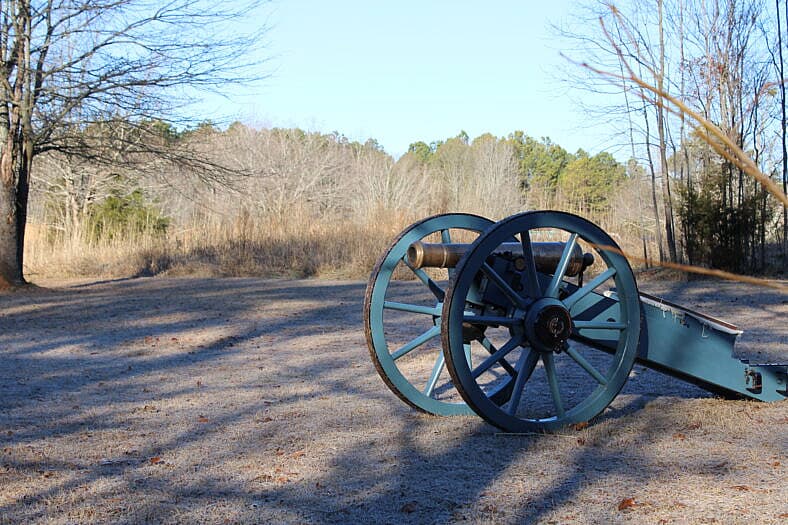
The “Grasshopper” was a light British 3-pounder cannon made by Jan and Pieter Verbruggen and used during the American Revolution. Information from the National Park Service shows that it fired solid shot, grape shot, and canister shot, with an effective range of around 800 yards.
Ninety-eight were shipped to the American colonies, and many were captured and used by American forces. Its spindly carriage and small barrel make it look almost toy-like today. That’s the weird part. It was light enough to move with infantry, but it still packed artillery power.
Polearms as rank symbols
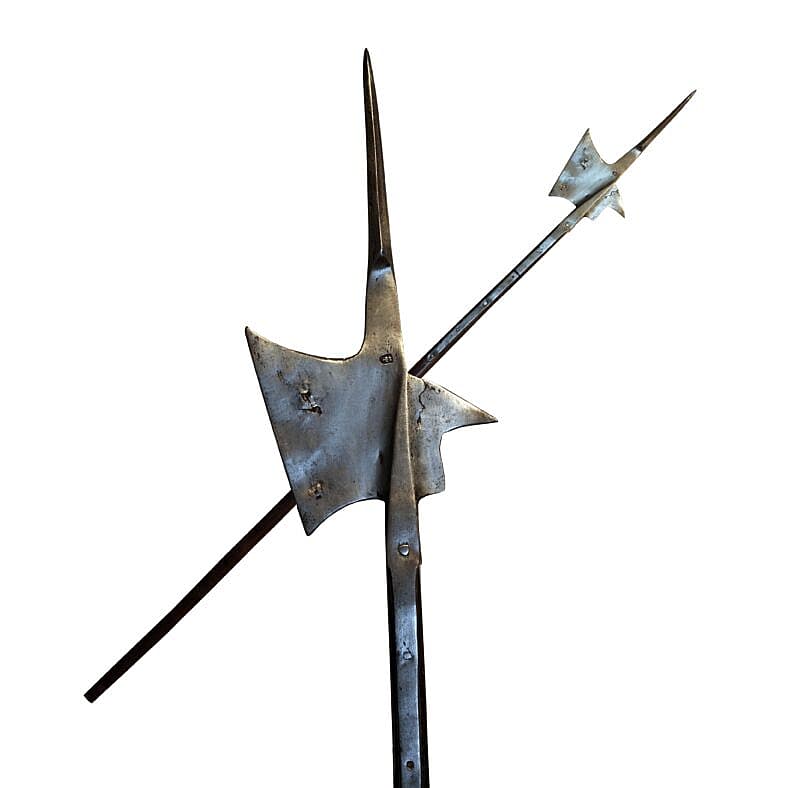
Polearms such as halberds, pikes, and spontoons were carried by some officers and non-commissioned officers in the Revolutionary War era. The National Park Service states that Valley Forge lists halberds, a spontoon, and a pike among bladed weapons in its collection, while the American Revolution Institute lists spontoons and bayonets among Revolutionary War armaments.
These weapons could guide ranks, mark authority, and serve as backup weapons. They look strange today because they mix medieval-style blades with 18th-century uniforms. Picture a sergeant correcting a battle line with a spear. It was practical then, but would be very strange today.