
 Duane Beckett
American history has plenty of polished stories, but the strange details are often the ones that stick. The Revolutionary War wasn’t just speeches, muskets, and famous paintings. It had a failed submarine, deadly disease, long-standing pensions, rum rations, and a teenage rider whose story should get people talking.
The Turtle slips into the harbor
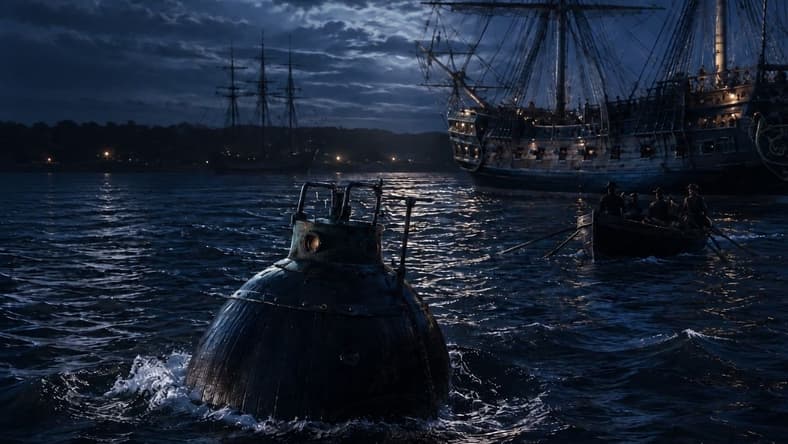
A hand-powered submarine tried to attack a British warship in 1776. That sounds like something pulled from an old sci-fi show, but it happened in New York Harbor. The craft was called the Turtle, and it was designed to carry one operator close enough to attach an explosive charge to HMS Eagle.
We Are The Mighty reported that the Turtle was built by David Bushnell and is remembered as the first combat submarine in world history. The mission failed because Sgt. Ezra Lee could not drill into the ship’s copper-sheathed hull. Still, for 1776, it’s wild technology.
Rum kept the army moving
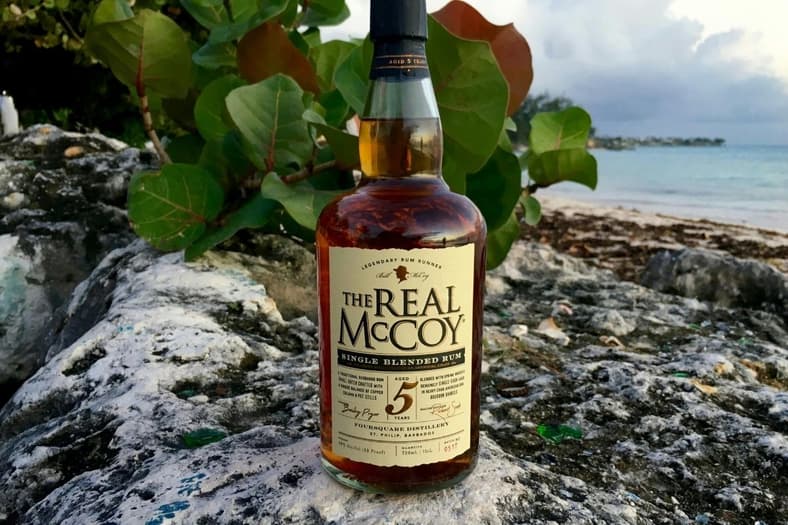
Rum was more than a drink during the Revolutionary War era. It was part comfort, part medicine, part morale booster, and part supply problem. In a brutal war, a ration of alcohol could mean a short break from cold, hunger, and fear.
Mount Vernon reports that rum was central to colonial life, with one estimate saying colonists consumed 3.7 gallons per person annually by the time of the Revolution. Liquor.com also reported that Washington treated rum as important for keeping troops functioning, and at one point it was pulled from hospital stores for soldiers.
Deborah Sampson broke the uniform rules
Deborah Sampson enlisted as a man and fought under the name Robert Shurtleff. She joined the Fourth Massachusetts Regiment in 1782 and managed to serve for about a year and a half before her identity was discovered.
According to the National Women’s History Museum, Sampson was assigned to light infantry, scouted dangerous ground, and survived wounds before becoming ill in Philadelphia. It was the illness that exposed the truth. Her story also points to a wider reality: many women cut their hair, put on men’s clothes, and stepped into the ranks during the Revolutionary War.
Did Sybil Ludington outride Paul Revere?

Sybil Ludington was only 16 when she reportedly rode through Putnam County, New York, on April 26, 1777. The mission was to alert militia forces after British troops moved toward Danbury, Connecticut. Her route is often described as roughly 40 miles, about twice the distance of Paul Revere’s better-known ride.
The American Battlefield Trust reported that Ludington rode during a driving rainstorm and helped rally men under her father’s command. Smithsonian Magazine found that parts of the story are still debated, including how strong the surviving evidence is and how later generations shaped her legend. That doesn’t make the tale any less fascinating.
A pension that reached another century
Esther Sumner Damon received a Revolutionary War widow’s pension long after the war had faded into legend. She was the widow of Noah Damon, who had served in the Revolution and later married Esther when he was 75 and she was 21.
Data from VTDigger shows that Esther Damon collected her widow’s pension until her death in 1906, which came 123 years after the Treaty of Paris ended the war in 1783. That timeline is hard to process. By then, movies existed, cars were on the road, and the country had fought another massive war. Yet one Revolutionary pension was still being paid.
Smallpox was the quiet killer

Disease killed far more soldiers than battlefield wounds. Smallpox, in particular, tore through armies in a way no musket line could match. It didn’t need a uniform, it just needed crowded camps, poor sanitation, fear, and time.
The National Park Service states that smallpox hit the Continental Army so hard that George Washington ordered inoculation for all Continental soldiers in 1777. Washington had survived the disease earlier in life, so he understood the danger better than most.
At Valley Forge and beyond, sickness was a constant shadow. The war wasn’t only fought against the British, it was fought against infection too.