
 Duane Beckett
American history isn’t just presidents, wars, and famous speeches. Some of the country’s biggest changes came after angry citizens pushed back, sometimes with weapons, sometimes with marches, and sometimes with tragedy. These forgotten American revolts may not get blockbuster treatment, but they helped shape power, labor, taxes, and government.
The Paxton Boys and a violent frontier warning
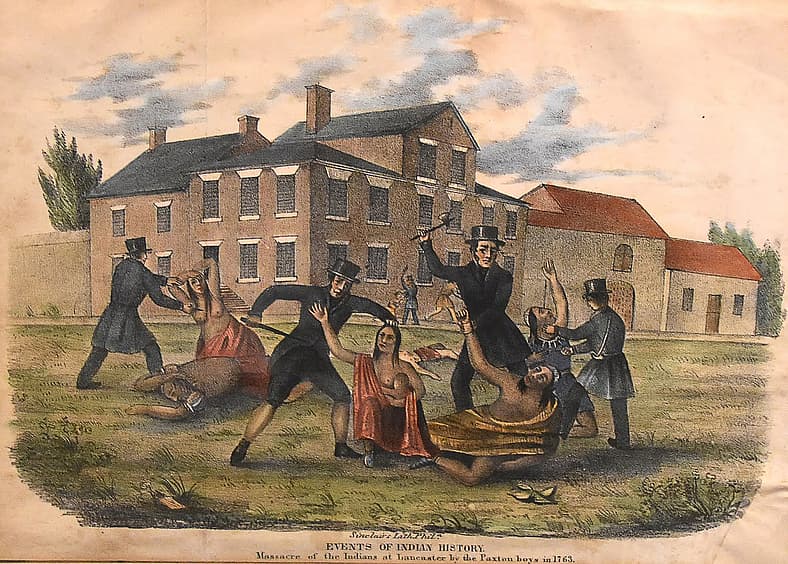
The Paxton Boys Uprising happened in Pennsylvania in 1763 and 1764, when frontier settlers from Paxton Township attacked peaceful Susquehannock, also known as Conestoga, people.
According to Britannica, about 57 settlers killed 20 defenseless people. The group later marched toward Philadelphia, angry at the Quaker-led colonial government and convinced it had failed to protect frontier settlers.
This revolt shaped the country by exposing a deep split between backcountry settlers and coastal leaders. It also showed how racial violence could be used as political pressure on the frontier.
North Carolina farmers pushed back hard
The North Carolina Regulator Movement ran from about 1765 to 1771, with backcountry farmers protesting corrupt sheriffs, unfair fees, heavy taxes, and courts that seemed stacked for wealthy insiders.
NC Historic Sites says armed Regulators battled royal governor William Tryon’s militia at Alamance in 1771. The American Battlefield Trust adds that Tryon’s forces defeated them after heavy fighting.
This revolt shaped the country by foreshadowing arguments about taxation, representation, and abuse of power, the same kind of complaints that would soon fuel the Revolution.
Shays’ Rebellion forced a bigger government debate
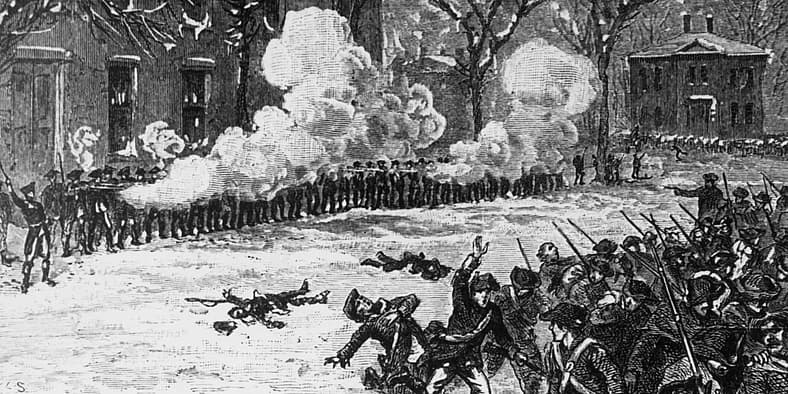
Shays’ Rebellion broke out in western Massachusetts from 1786 to early 1787, when indebted farmers rose against taxes, court actions, and foreclosures. Revolutionary War veteran Daniel Shays became the name tied to the uprising, though many rural farmers joined the cause.
Mount Vernon states that the rebellion accelerated calls to reform the Articles of Confederation, which many leaders saw as too weak to handle unrest. That’s the big reason this revolt made a huge difference. The uprising helped build support for the 1787 Constitutional Convention and a stronger federal government.
Fries’s Rebellion made federal taxes personal
Fries’s Rebellion hit eastern Pennsylvania in 1799 and 1800, when German-American farmers resisted a federal property tax tied to the Quasi-War with France. Britannica states that the tax applied to real property, including land, houses, and slaves, and caused major resentment against President John Adams’s administration.
John Fries became the uprising’s best-known leader. He was captured, convicted of treason, and sentenced to hang. Adams later pardoned him, with the Miller Center preserving Adams’s pardon language.
The revolt shaped the country by feeding anger at Federalist power and strengthening small-government politics.
Ludlow became a labor-rights flashpoint
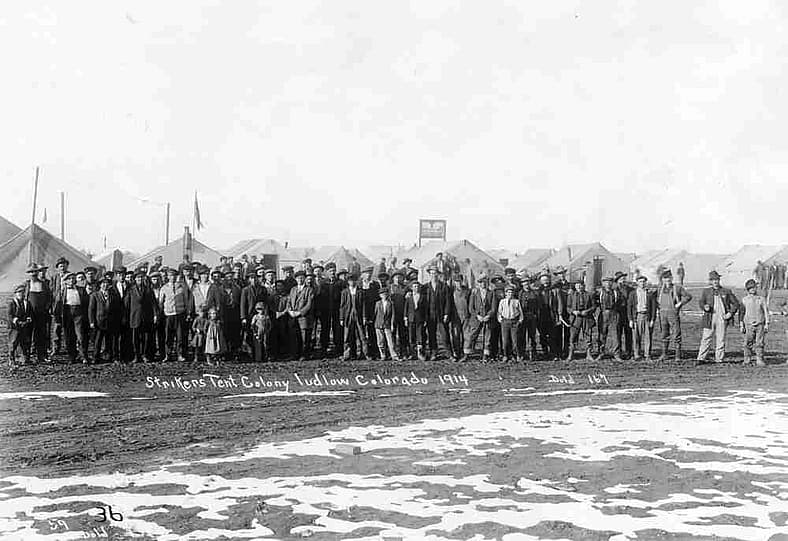
The Ludlow Strike and Massacre grew out of a 1913 to 1914 coal miners’ strike in southern Colorado. Mostly immigrant miners and their families faced off against the Rockefeller-owned Colorado Fuel & Iron Company, company guards, and the Colorado National Guard.
PBS described Ludlow as one of the most dramatic clashes between capital and labor, centered on Rockefeller-owned mines. Britannica reported that the April 20, 1914, attack killed 25 people, including 11 children.
Ludlow helped build public sympathy for labor rights and raised hard questions about whether government should protect workers or act like corporate muscle.