
 Duane Beckett

Forgotten American forts often tell strange stories, often far more interesting than the famous ones. Some were abandoned, some were swallowed by weather, and some carried a much larger meaning than their broken walls suggest. These five forts prove history doesn’t always stay neat, polished, or easy to explain.
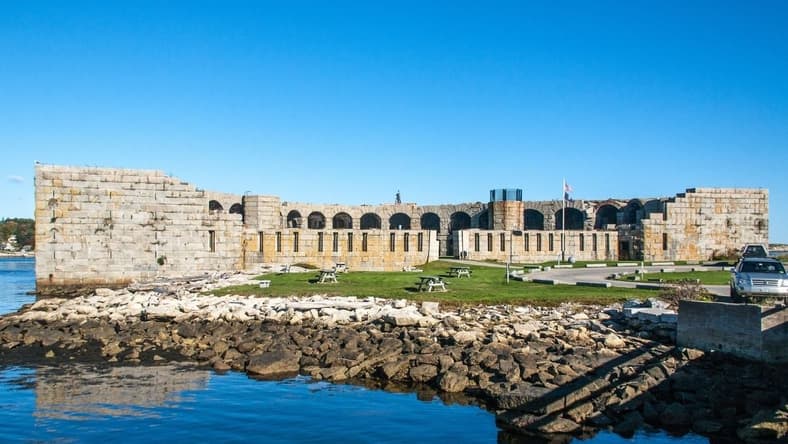
A half-finished granite giant in Maine
According to the American Battlefield Trust, the construction began on Fort Popham in 1861 to protect Augusta and Maine shipbuilders from Confederate naval threats.
The site had already seen military use before that, including a smaller fort from the Revolutionary War era and action during the War of 1812.
The granite Civil War fort at the mouth of the Kennebec River was never completed, giving it a strange, frozen-in-time feel. It’s big walls and big purpose, never had a befitting ending.
Fort Tyler was doomed by the water
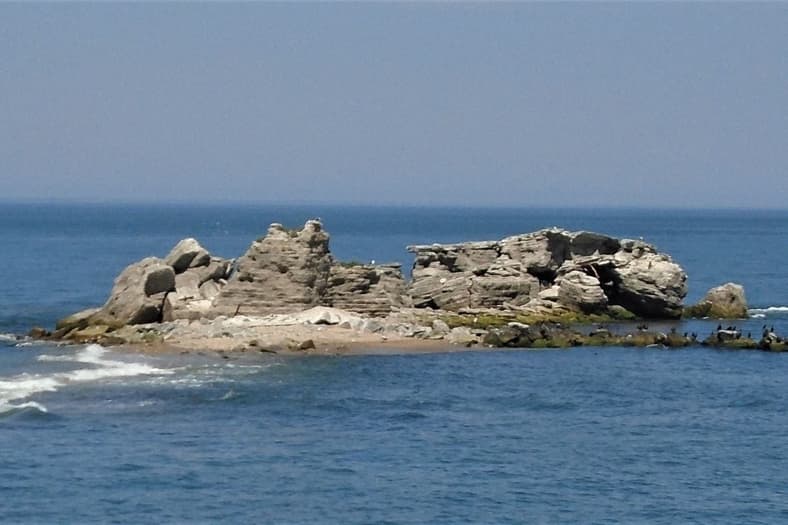
Fort Tyler sat on Gardiners Point Island off Long Island, where unstable sand helped push the War Department toward abandoning it. According to the Henry L. Ferguson Museum, the fort had no mounted armament and no assigned garrison, which makes the whole thing feel like a military set piece that never got its real scene.
Over the years it has drew sightseers, rumrunners, and bootleggers, then became a bombing target. By the mid-20th century, locals knew it as “The Ruins.” A fitting name. It was a fort that barely got to be a fort.
Fort Mansfield had a fatal flaw
The Rhode Island fort was established on Napatree Point in 1898, then exposed during a 1907 mock war exercise as having a “blind angle.”
The Henry L. Ferguson Museum states that enemy ships could sit where the guns couldn’t answer back. Which is far from ideal.
Its armament was removed by 1917, and storms later reshaped the beach around the old batteries. Fort Mansfield is the tale of a defensive post undone by bad design.
Fort Mose changed the frontier
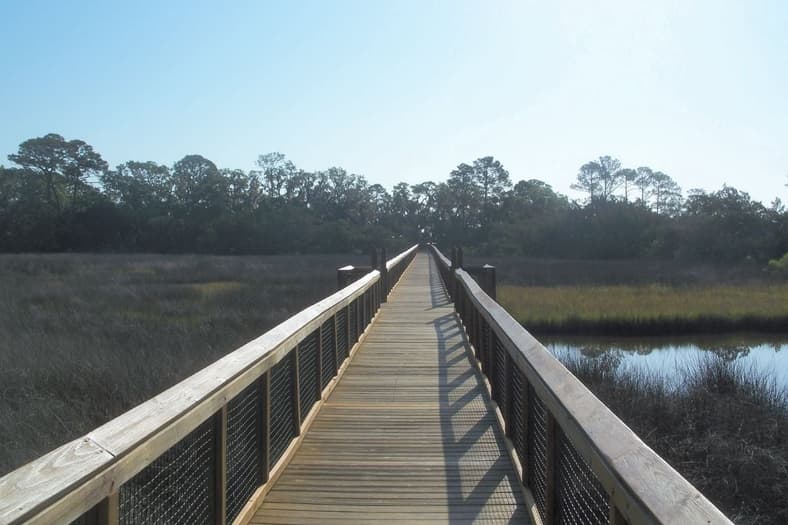
Built in 1738 near St. Augustine, Fort Mose was not just another frontier post. According to Florida State Parks, it was the first legally sanctioned free African settlement in what is now the United States.
People fleeing slavery from the English colonies could gain freedom by pledging loyalty to Spain and joining the Catholic Church. About 100 Africans made the settlement home.
Fort Mose was a military outpost, yes, but it was also a place where freedom, survival, and self-rule met on dangerous ground.
Fort Morgan kept getting pulled back in
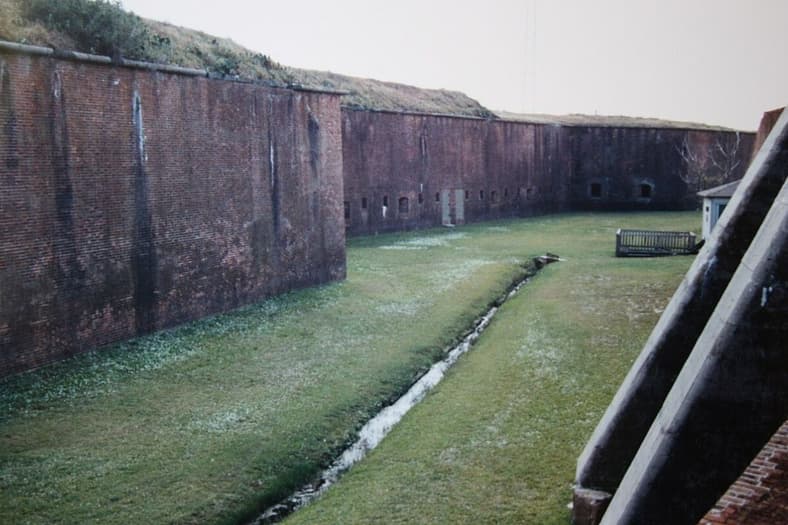
Completed in 1834, Fort Morgan guarded Mobile Bay and later became famous for the Battle of Mobile Bay, where Union Rear Admiral David Farragut pushed through Confederate torpedoes, or mines, under fire.
The American Battlefield Trust states that the fort was active in four wars, including the Civil War, Spanish-American War, World War I, and World War II. That’s a wild and wide span. Brick walls built for one age kept being pulled into the next. From sailing ships to modern coastal defense, Fort Morgan carries a lot more history than its semi-forgotten status suggests.