
 Duane Beckett
The American Revolution has its famous scenes, from Lexington to Yorktown. But some of its most gripping moments happened in parlors, courtrooms, graveyards, and midnight raids. These forgotten American Revolution stories feel almost like hidden bonus features, and they show how much of the Revolution happened away from the usual spotlight.
Lydia Darragh: The Quaker Spy of Philadelphia (1777)
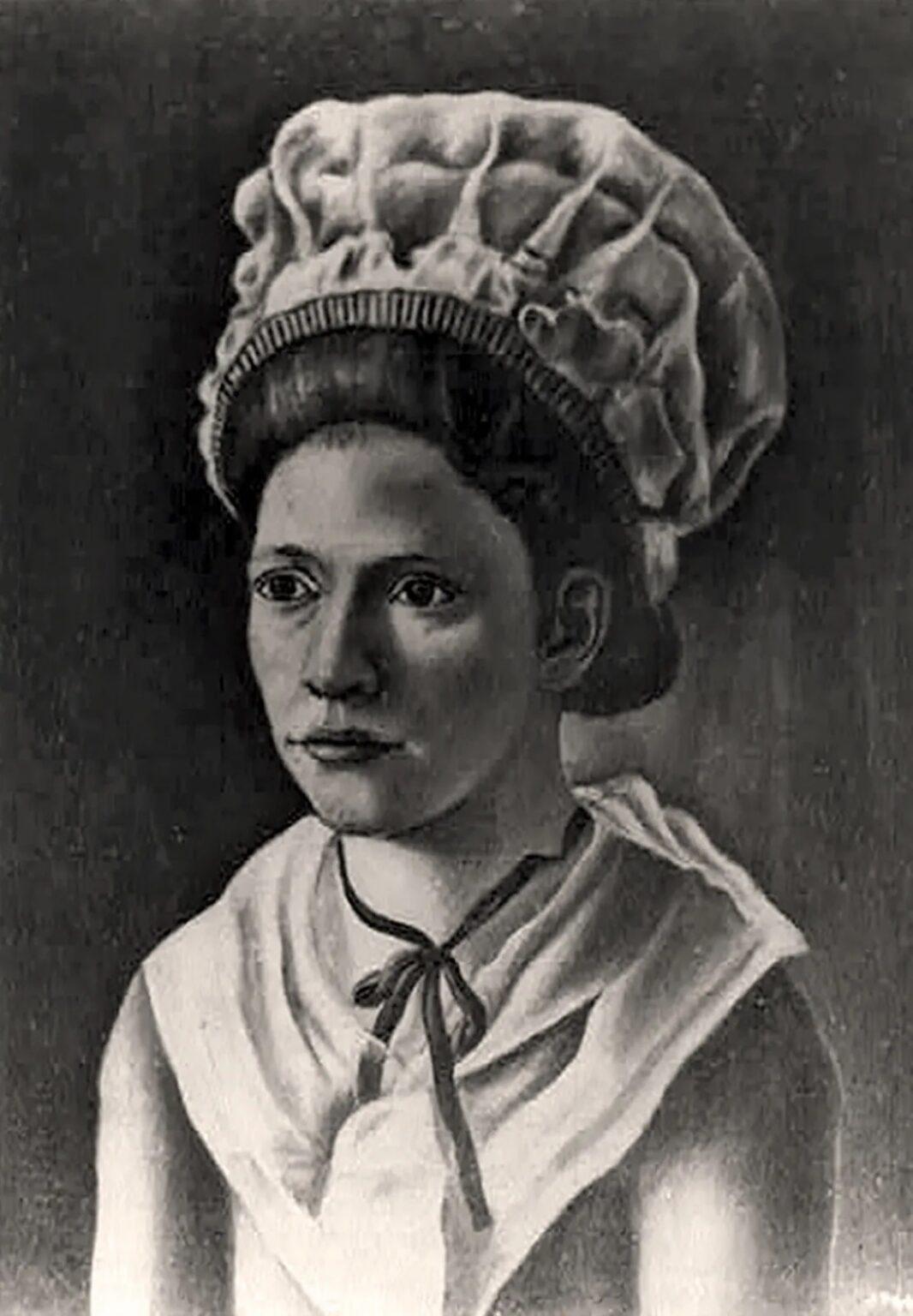
British-occupied Philadelphia became the setting for one of the Revolution’s quietest spy stories in December 1777. Lydia Darragh, an Irish-born Quaker, lived close to British headquarters when officers used her family home for meetings.
According to the American Battlefield Trust, she overheard plans for a British attack on George Washington’s army at Whitemarsh, about 16 miles north of Philadelphia. She got past British lines under the cover of a trip to buy flour and warned the Patriots.
PhillyVoice reported that when British troops arrived, Washington’s forces were ready. It was a brave act with massive stakes.
Mad Anthony Wayne’s Bayonet Charge at Stony Point (1779)
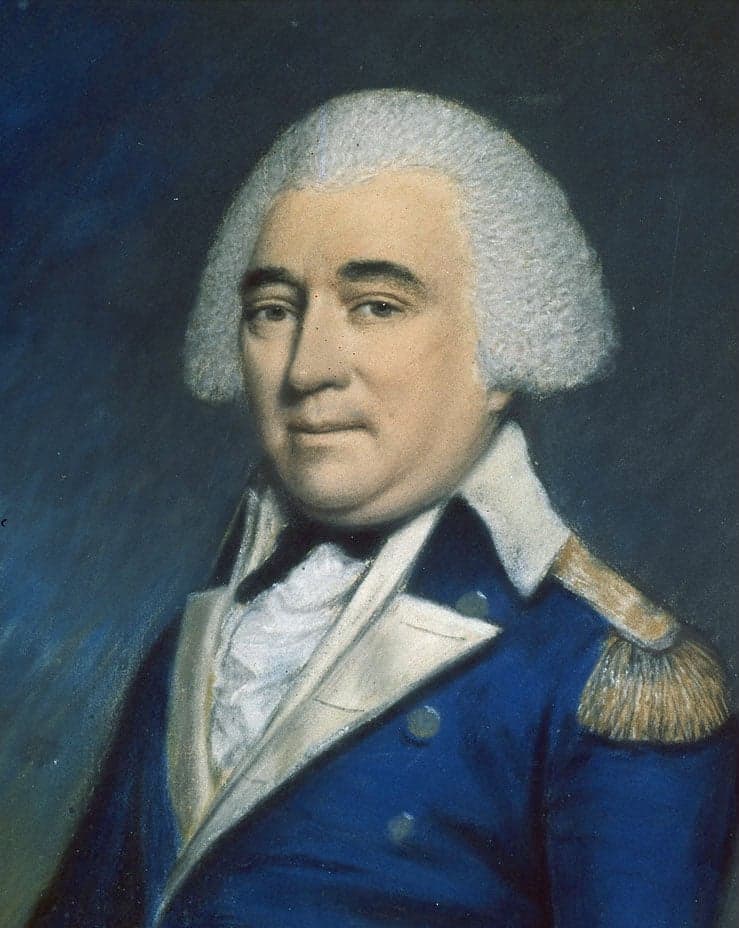
Stony Point, New York, mattered because it sat on the Hudson River, where British control threatened American movement in 1779. General Anthony Wayne led a night assault on July 15 into July 16, using silence, darkness, and nerve instead of a normal firefight.
Mount Vernon states that Wayne’s men wore white paper in their hats so they could identify one another in the dark. American Battlefield Trust reported that the attack left 15 Americans dead and 83 wounded, while the British lost 20 killed, 74 wounded, and 472 captured. That’s a movie scene hiding in plain sight, and a great selection for forgotten American Revolution stories.
The Plot to Assassinate George Washington (1776)
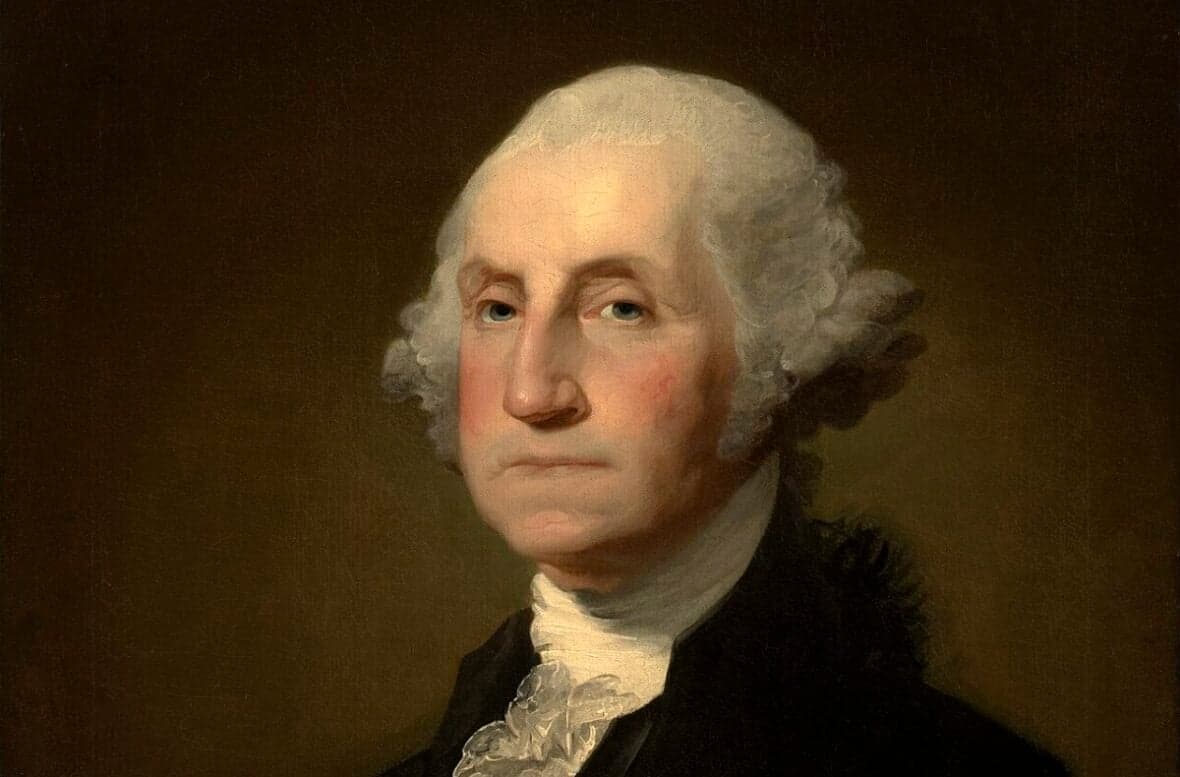
New York City was already tense in June 1776, just before the Declaration of Independence. History.com reported that Thomas Hickey, a member of Washington’s Life Guard, was hanged on June 28 after being tied to a shadowy plot against the Patriot cause, and possibly against Washington himself.
The full details remain murky, which makes it even stranger. The Smithsonian Magazine reported that about 20,000 people watched Hickey’s execution near modern-day Chinatown in Manhattan. That’s a huge number of people, which leaves the question: how is this not talked about more in history?
Elizabeth Freeman Sues Her Way to Freedom (1780–1781)
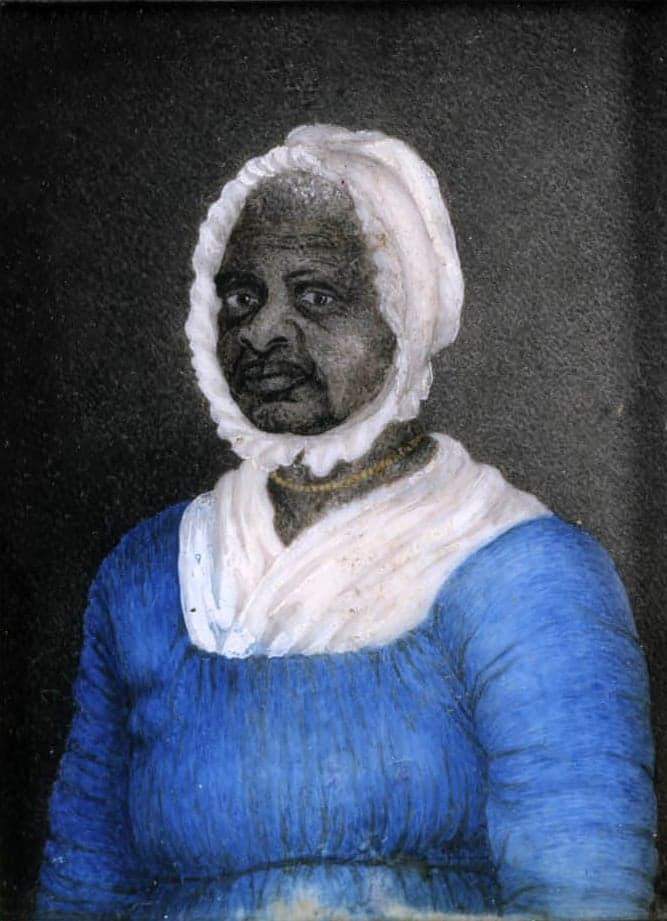
Elizabeth Freeman, also known as Mum Bett, turned Revolutionary language into legal action in Massachusetts. In 1781, after the state constitution declared that all men were “born free and equal,” she and Brom sued John Ashley for their freedom in Great Barrington.
The Massachusetts Historical Society states that attorney Theodore Sedgwick argued slavery was illegal under the new constitution, and the jury agreed. Freeman and Brom were freed, and Ashley was ordered to pay damages and court costs. This wasn’t a battlefield win, but it helped change the country’s direction.
Paul Revere Performs the First Forensic Dental Identification (1775)
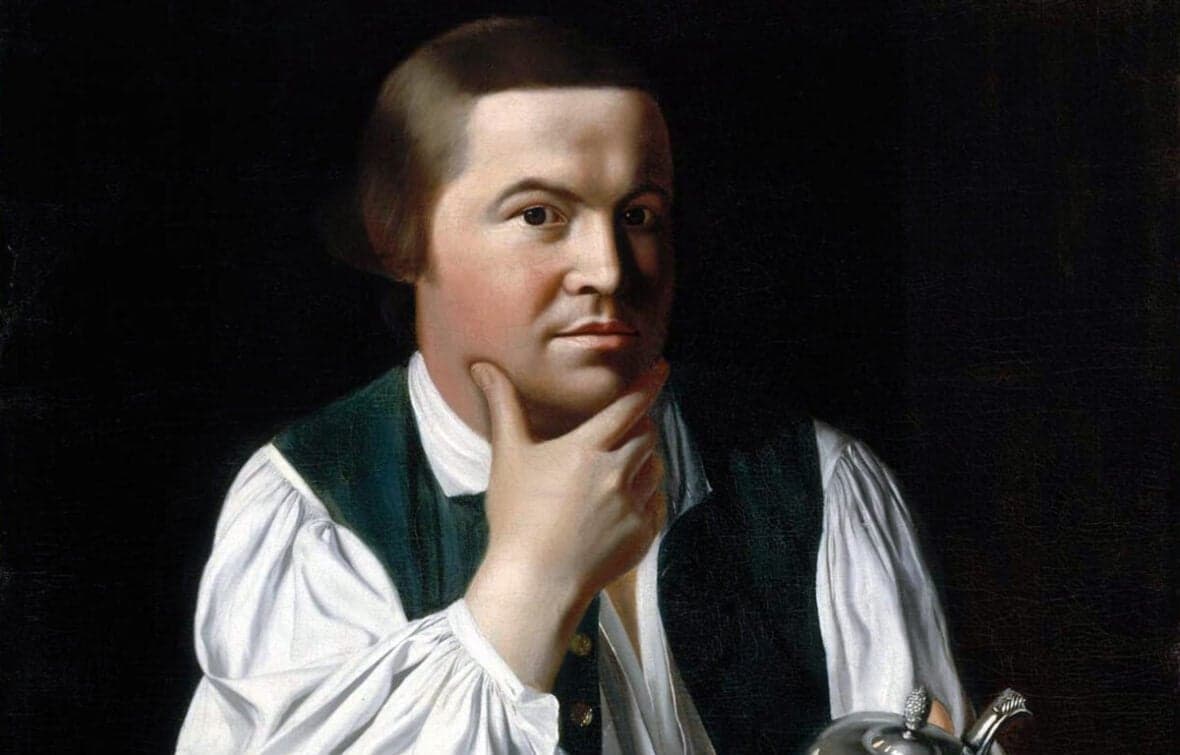
Paul Revere’s midnight ride gets the spotlight, but his work after Bunker Hill deserves its own headline. In 1775, Major Joseph Warren was killed at the Battle of Bunker Hill near Boston, and his remains later became difficult to identify.
The National Museum of Health and Medicine states that Revere recognized Warren by an artificial dental bridge he had made for him. Military Medicine found that this became the first forensic dental identification of a military service member in the United States.
Revere wasn’t just sounding alarms. He was solving cases before forensic science had a name.