
 Duane Beckett
American Revolution history often gets packed into clean little stories. That makes it easy to remember, but not always accurate. Like old collectibles, the popular version can look familiar while the real details are hiding in the fine print. Learn more about these five American Revolution myths below.
The American Revolution started on July 4, 1776
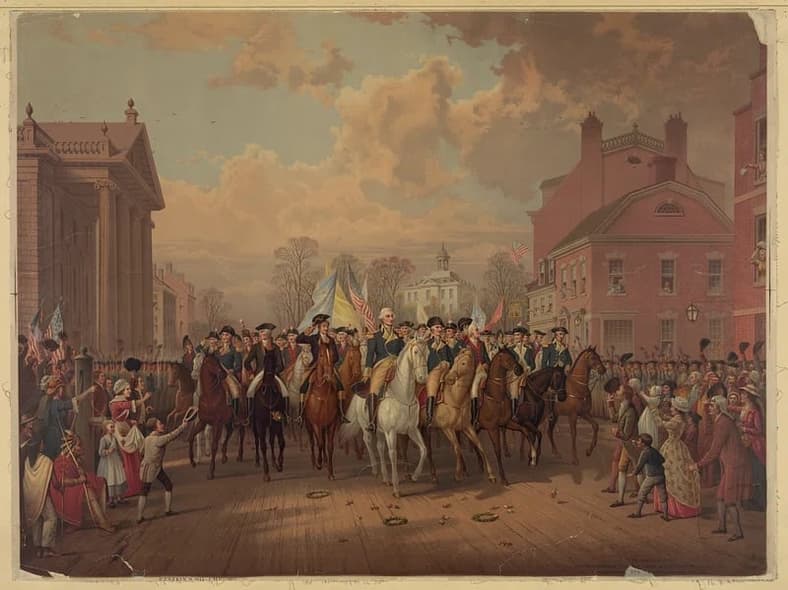
Many Americans picture July 4 as the day the war began, the Declaration was signed, and the United States became independent all at once. History Facts states that Congress voted for independence on July 2, then adopted the Declaration on July 4.
However, most signatures came later, starting in August. Additionally, fighting had already begun at Lexington and Concord in April 1775, with Bunker Hill following in June. Independence was a long road, despite July 4 being the day of celebration.
The War was fought purely for liberty and democracy
The Revolution is often remembered as a clean fight for freedom, equality, and democracy. According to American Yawp, the Revolution used powerful language about liberty, but it also allowed slavery to continue and did not aim to end all social and civic inequality.
American System Now also points to colonial anger over British constitutional rights, local control, taxation, and imperial authority. These ideas mattered, but so did money, power, status, and property. History is rarely as tidy as the textbooks given in school try to make out.
The colonists rebelled mainly because of crushing new British taxes
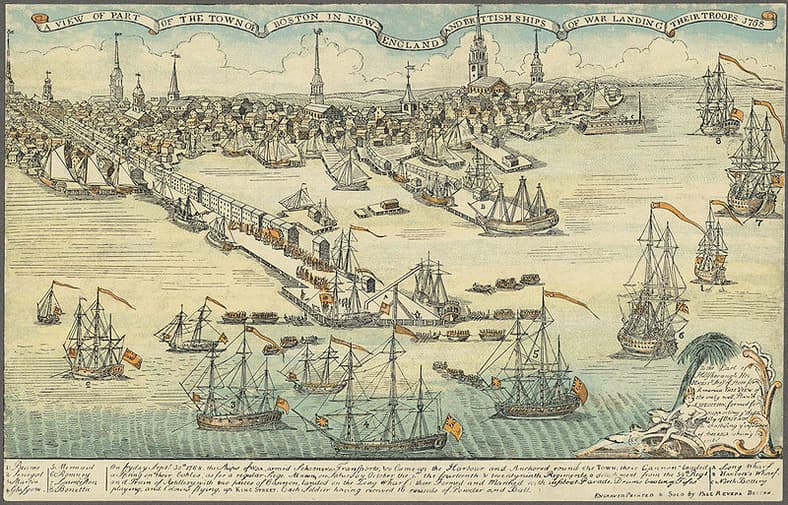
The usual story says Britain suddenly buried the colonies in brutal taxes, and revolt followed. However, the American Battlefield Trust states that taxation was only one dispute, and the Sugar Act even reduced the molasses tax while increasing enforcement.
American Yawp found that the Tea Act lowered the price of legal tea, but colonists resisted because buying it accepted Parliament’s right to tax them. I get why the tax story sticks; it’s much simpler to explain it that way.
All 13 colonies eagerly united against Britain from the start
When it comes to the Revolutionary War, many people imagine the colonies lining up together right away, like a patriotic team poster. However, according to the American Battlefield Trust, it was a much messier picture, with colonists split among Patriots, Loyalists, and people who tried to stay neutral.
In the South, the war became a brutal civil conflict between rebels and Loyalist neighbors. History Facts states that support was not universal. Even Delaware’s story was complicated, since the state says it became a state on June 15, 1776.
Paul Revere rode alone crying, ‘The British are coming’
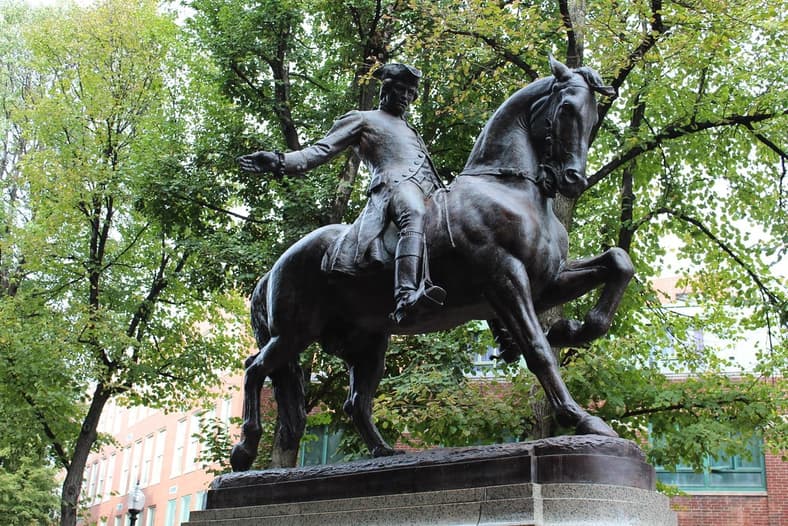
Longfellow’s famous poem helped turn Revere into the lone rider in America’s memory. History Facts states that William Dawes and Samuel Prescott also rode through the Boston area to spread the warning.
The Odyssey Online reported that “The British are coming” would have sounded odd, since many colonists still saw themselves as British. Riders likely warned that the “regulars” or “redcoats” were moving. Revere was detained, while others carried the alarm forward. It’s a great story, despite being often misrepresented.