
 Duane Beckett
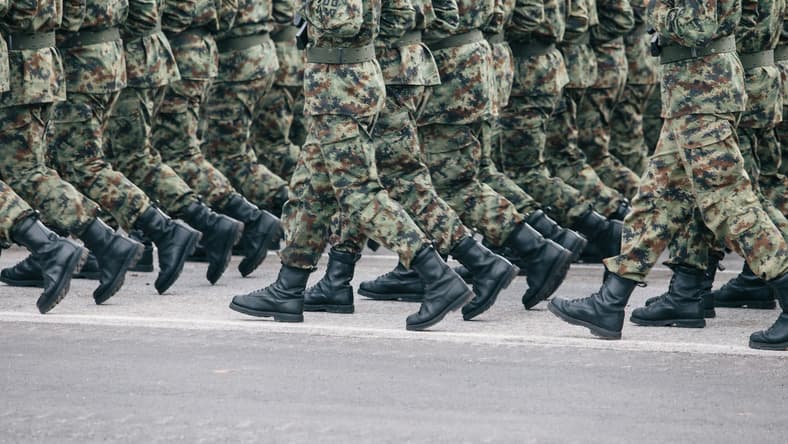
World War 2 was fought with weapons, strategy, and plenty of deception. Allied forces used fake tanks, false radio traffic, silent bombing runs, and even bugged mansions to deceive the enemy.
Some deception tricks Allied forces used may look strange looking back, but they served a serious purpose. They protected troops, hid key technology, and helped shape what German forces believed.
Ghost Army’s inflatable tanks and fake units

The U.S. Ghost Army amazingly made German forces see an army that wasn’t really there. According to the National WWII Museum, the 23rd Headquarters Special Troops used inflatable tanks, fake radio transmissions, sound effects, and visual deception to simulate entire divisions in Europe.
The trick was that much of the “force” was air, canvas, noise, and acting. From above, dummy Sherman tanks and fake guns could look real enough to fool reconnaissance. On the ground, staged camps and phony headquarters added to the illusion.
I’ve collected plenty of war oddities, but inflatable tanks as battlefield deception tricks are wild. And it worked because German commanders had to react to the threat they thought was in front of them.
Carrot-and-night-vision myth to hide radar

Britain helped push one of the strangest food myths of the war, one that parents still say to their kids today. The Smithsonian Magazine reported that World War 2 propaganda made carrots seem like the reason RAF pilots could see so well at night, even though carrots don’t give people owl-like night vision.
The real trick was in the misdirection. Carrots may contain vitamin A, which supports eye health, but the RAF’s night-fighting edge came from radar. The carrot story gave the public and the enemy a harmless explanation. It’s not quite on the level of a Star Wars Jedi mind trick, but it’s not a million miles away either. Newspapers and posters pushed the idea, while radar remained harder for Germany to understand or counter.
Soviet “Night Witches” engine-off glides
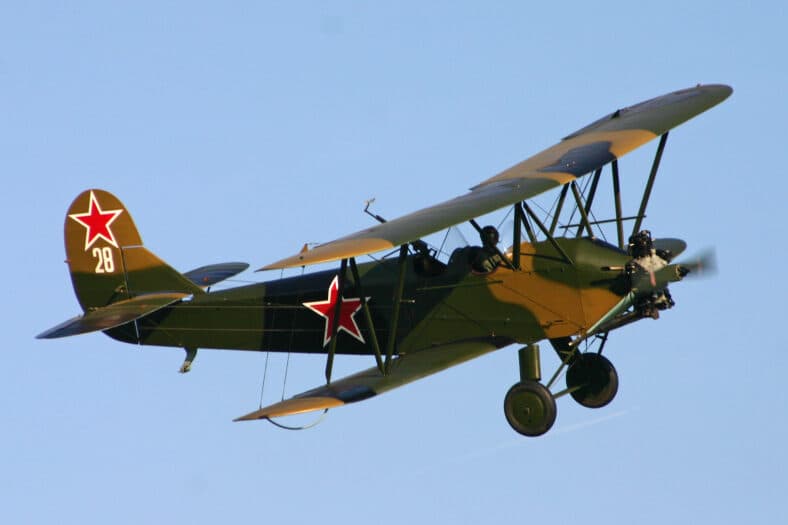
The Soviet 588th Night Bomber Regiment used silence as a deception tactic. The National WWII Museum states that the unit’s goal was to attack German morale and keep soldiers exhausted through night bombing raids.
These women flew slow Po-2 biplanes, often cutting or throttling back their engines near the target. German troops expected to hear an aircraft coming. Instead, they heard a faint rush through the dark before bombs dropped.
That faint rush sound helped create the nickname, the “Night Witches.” It was a trick because the planes turned their weakness- slow speed and simple design- into a survival advantage. Less noise meant less warning for searchlights and anti-aircraft crews to spot them.
Decoy operations with fake radio traffic
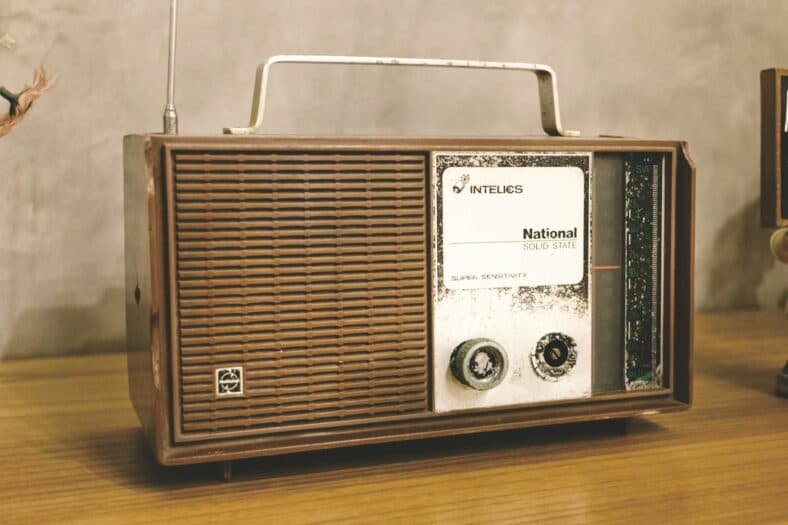
Fake radio traffic helped the Allies build armies that didn’t exist. Britannica states that Operation Fortitude used false radio transmissions to make Germany believe an invasion would come at Calais in mid-July 1944.
This trick worked because intercepted radio chatter looked like evidence. Signal teams copied the normal rhythm of military communications, including supply talk, movements, and routine orders. One National WWII Museum account put Fortitude’s deception mix as fake radio messages, phantom armies, troop movements, and double agents.
The goal was not just to fool one scout, but to overwhelm with enough information to shape what the German command believed. If the radio traffic sounded like a large force was waiting somewhere, German reserves could be held back or sent the wrong way.
Wining and dining captured German officers in bugged mansions
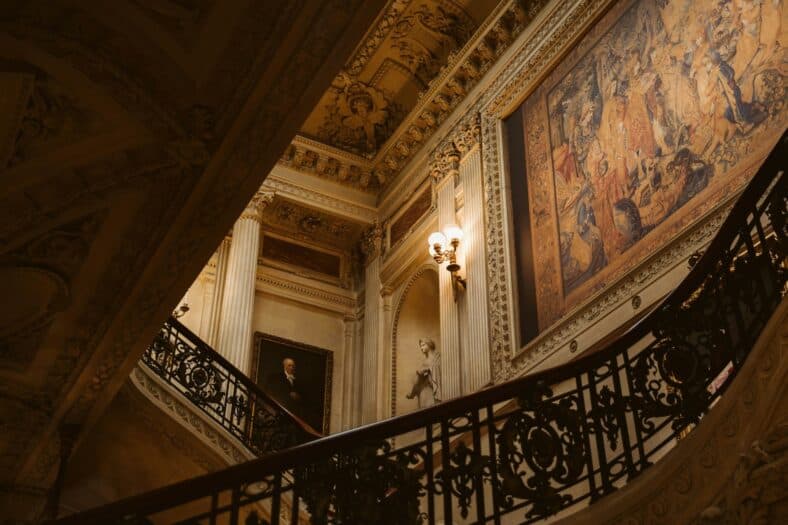
British intelligence turned comfortable prisoner-of-war camps into a trap. Trent Park House states that German generals held as prisoners of war were encouraged to relax in relative comfort, unaware that the site was bugged.
The trick was softer than a normal interrogation. Captured officers received good surroundings, books, radio access, and time with other prisoners. They thought they were speaking privately, but they weren’t. Hidden listeners recorded their conversations.
The National Army Museum found that, from 1942, captured German generals were housed in luxurious conditions at Trent Park, Latimer House, and Wilton Park, where they dropped their guard and revealed secrets about German strategy and technology. It worked because people often say more when they feel safe.