
 Duane Beckett
Civil War prison camps were places of hunger, disease, exposure, and death. Soldiers who survived the battlefield but ended up in these camps faced another kind of horror. These five camps became infamous for brutal conditions and death tolls that remain hard to process.
1. Andersonville / Camp Sumter, Georgia
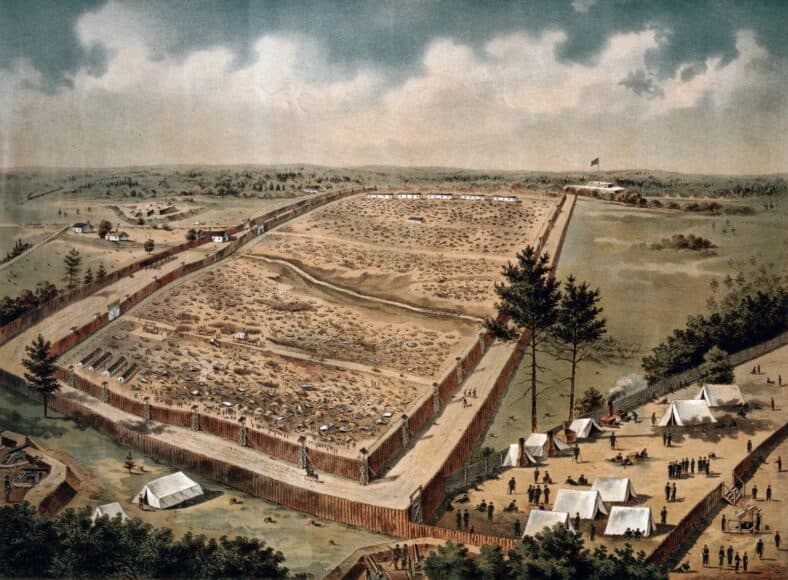
Andersonville, officially known as Camp Sumter, became the most notorious Confederate prison camp of the Civil War. About 45,000 Union soldiers were held there over only 14 months, and nearly 13,000 of them died from disease, starvation, overcrowding, and exposure.
According to the American Battlefield Trust, the prison was a crude open stockade with little shelter and a polluted stream running through it. Prisoners suffered through hunger, filthy water, and almost no medical care.
Commandant Henry Wirz was later tried and executed after the war, making him one of the few Confederates punished for wartime prison conditions.
2. Camp Douglas, Chicago, Illinois
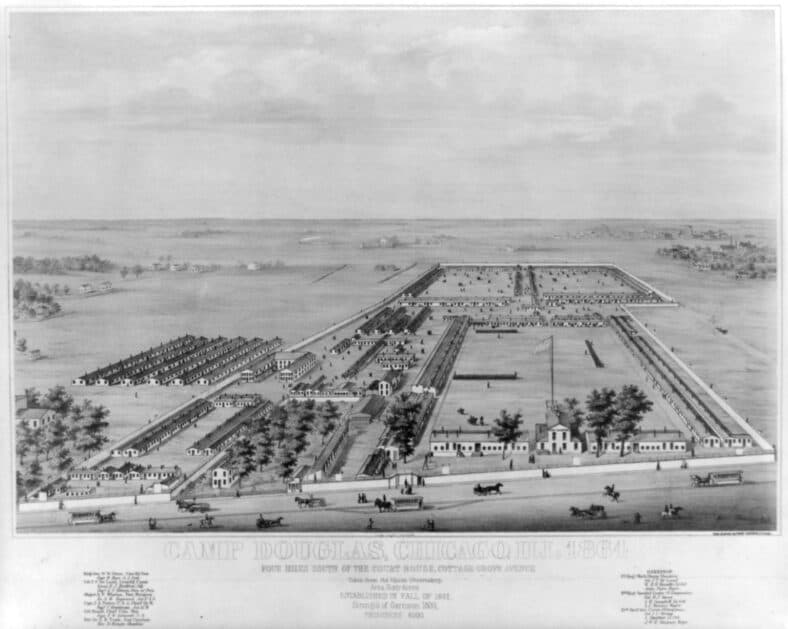
Camp Douglas was a Union prison camp in Chicago, but its conditions were so deadly that it became known as the “Andersonville of the North.” Prisoners endured squalid barracks, open cesspools, freezing weather, poor food, and disease.
Hyde Park History reported that Confederate prisoners described brutal treatment, including punishment in the cold and long exposure to miserable conditions. Smallpox, pneumonia, and other illnesses spread quickly through the overcrowded camp.
An estimated 4,000 to 4,500 men died there, and for a prison far from the front lines, the suffering is staggering.
3. Elmira Prison, New York
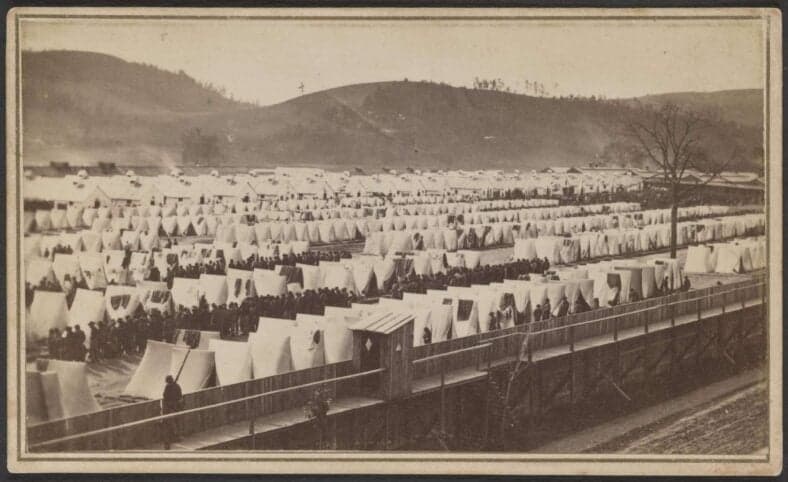
Elmira Prison in New York earned the grim nickname “Hellmira,” and it isn’t hard to see why. Confederate prisoners faced harsh winters with poor clothing, weak shelter, and limited fuel. Summer brought a different kind of misery, with heat, filth, and disease spreading across the camp.
The American Battlefield Trust states that poor sanitation helped fuel outbreaks of scurvy, smallpox, and diarrhea. Roughly 12,000 prisoners were held there, and about 3,000 died. That’s a 25 percent death rate, and even by Civil War prison standards, that’s shocking.
4. Point Lookout, Maryland
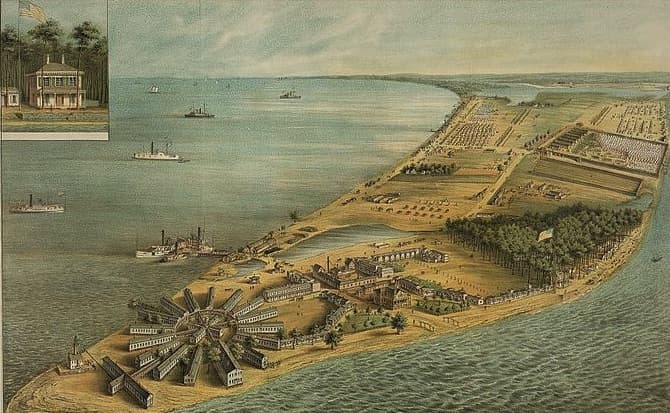
Point Lookout sat on a windswept stretch of land where the Potomac River meets the Chesapeake Bay. Confederate prisoners were packed into a huge open-air camp with little protection from bitter winters, hot summers, and rough weather.
According to the American Battlefield Trust, roughly 50,000 men passed through Point Lookout during the war. Poor sanitation, brackish water, hunger, scurvy, and chronic diarrhea made daily life miserable. More than 4,000 prisoners died there. Sadly, Point Lookout was less like a prison and more like a slow grind of exposure and disease.
5. Fort Delaware, Delaware
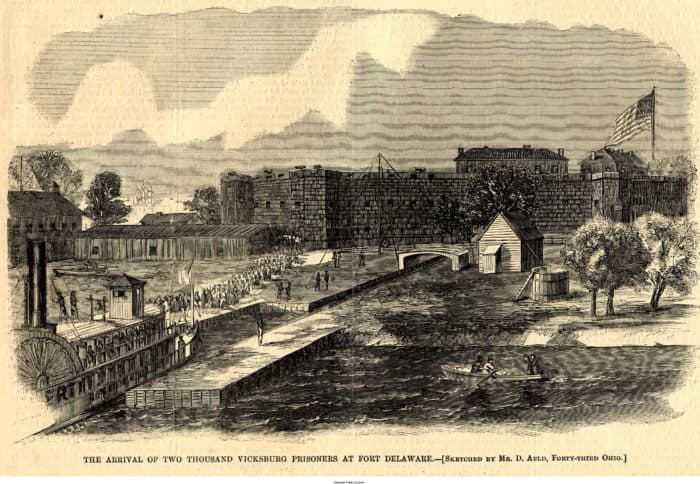
Fort Delaware held more than 30,000 Confederate prisoners, along with political prisoners and civilians, on Pea Patch Island. Prisoners faced overcrowded barracks, marshy ground, contaminated wells, and poor food.
A National Cemetery account shows that disease spread fast, including scurvy, diarrhea, and other illnesses. Over three months in 1863, more than 2,600 prisoners died, showing how deadly the camp became.