
 Duane Beckett
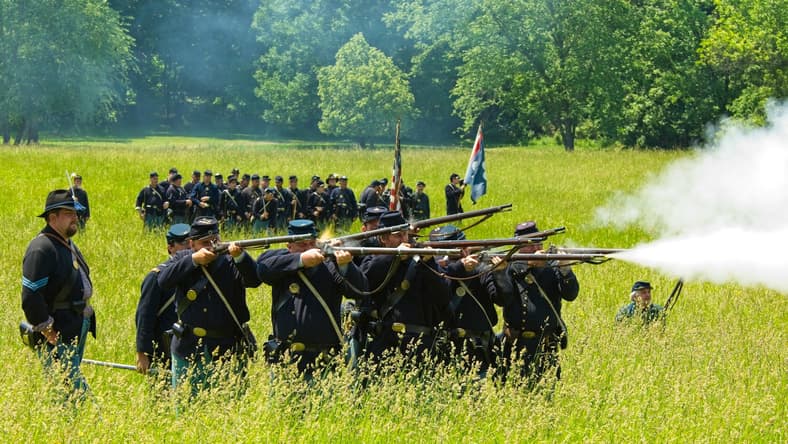

Discipline during the American Civil War could be shockingly harsh, even by the standards of the 1861 to 1865 conflict. Soldiers lived under rules meant to keep order in exhausted camps, but some punishments crossed into humiliation, pain, and public warning in ways that remain hard to read today. Check out some of these brutal Civil War discipline examples below.
Letters burned into skin
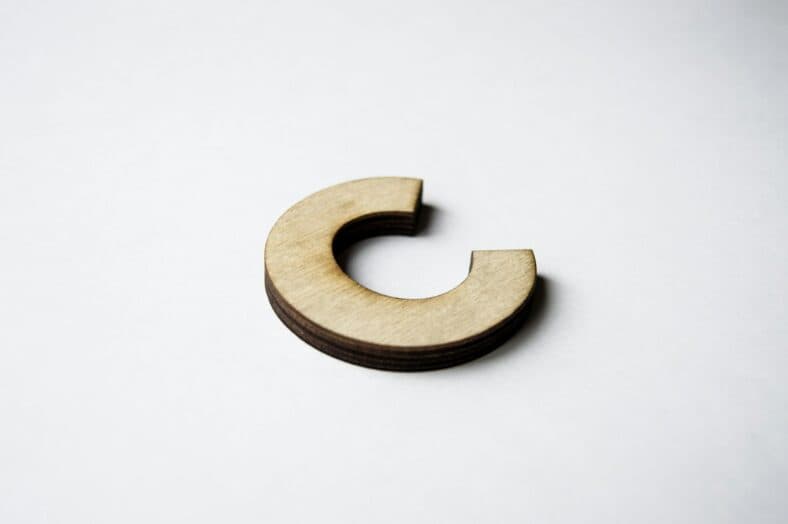
According to Task & Purpose, some Civil War soldiers were branded with letters tied to their offense, including “C” for cowardice, “T” for theft, “D” for desertion, and “W” for worthlessness.
This is the kind of punishment that was meant to follow a person long after the rule was broken.
Essential Civil War Curriculum also reports that Confederate law in 1861 allowed branding with “D” for desertion, though both flogging and branding were later removed as acceptable punishments.
Hanging by the thumbs
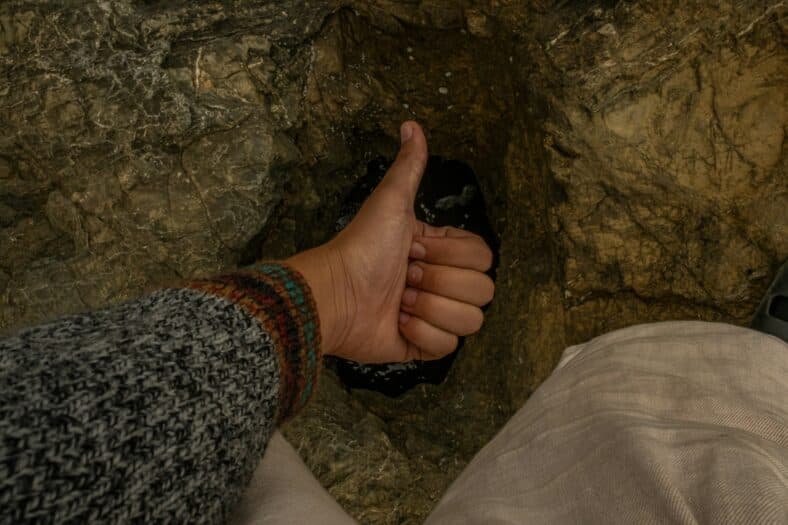
MrDonn.org states that some soldiers were hung by their thumbs and forced to stand on tiptoe, with the strain pulling at their thumb joints. That punishment could be used for minor crimes, which makes it even uglier.
We tend to picture the Civil War danger as battlefield smoke, cannon fire, and muddy charges. However, camp discipline was just as brutal. MrDonn.org describes punishment as inconsistent, often depending on the mood and temper of the regiment commander. That’s a scary amount of power in one person’s hands, especially when humiliation was treated as part of the lesson.
The wooden mule punishment
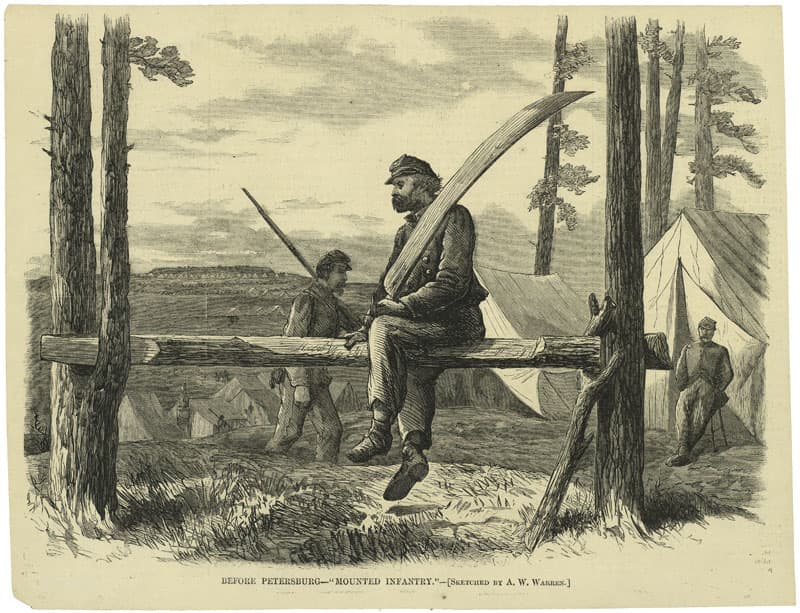
Minor offenses like straggling, fighting, or drunkenness could land a soldier on the so-called wooden mule. Task & Purpose reported that the punishment involved sitting on a narrow raised rail, sometimes with weights tied to the soldier’s legs, until the pain became unbearable.
It’s a simple-sounding punishment, but one that also sounds slow and painful. As a pop culture guy, I can’t help thinking about how fake this would look if it showed up in a grim war drama. Yet the source describes it as a real Civil War-era punishment, and one meant to hurt while everyone watched.
A coffin ride before execution

This one is incredibly grim. A condemned soldier could be made to sit on his own empty coffin while a cart carried him through camp toward a firing squad. MrDonn.org states that the firing squad had 12 men, with one gun loaded with a blank, so no soldier knew for sure who fired the fatal shot.
Afterward, the regiment might march past the body as a warning. The Essential Civil War Curriculum describes a similar execution scene, with the unit gathered, drums beating, a coffin nearby, and soldiers later marching past the dead man. It was punishment as theater.
Confessions beaten out and still used to condemn

Court-martial rules could be just as disturbing as the physical punishments. MrDonn.org highlights that a confession beaten or threatened out of a prisoner could still be used in court, and the panel judging the case was made up only of officers. In drumhead courts-martial, a commander could convene a hearing in the field with little regard for normal legal process, then carry out the sentence immediately. That’s not justice as most of us understand it now. It’s a survival-era authority, where fear, speed, and control mattered more than fairness.