
 Duane Beckett
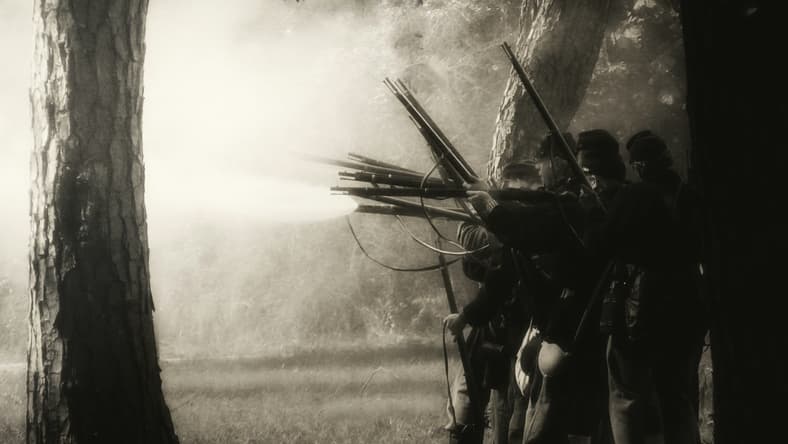
The Civil War left behind more than battlefields and stories. It left unanswered questions, strange reports, missing valuables, and stories that still pull people in. Some feel like a lost-history documentary, while others sound closer to something from a late-night sci-fi movie. Check out these six Civil War mysteries that still baffle historians.
Lost Confederate gold
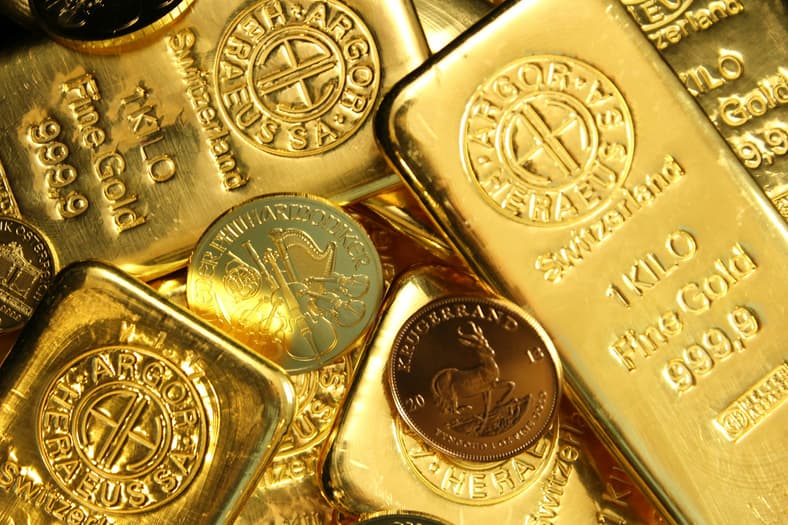
When Richmond fell in April 1865, Jefferson Davis and other Confederate officials fled with cash, gold, silver, and valuables. War History Online reported that one train carried Davis and government papers, while another carried money, gold reserves, and jewelry, with the total value still debated. Some was accounted for, but a lot of it wasn’t.
I’ve always found lost treasure stories hard to resist, maybe because they sit somewhere between history and Saturday afternoon adventure movies. In this case, the mystery is quite simple. Davis was captured with very little money on him, so the stories of stolen, hidden, or scattered Confederate gold grew.
The strange silence at battle
Cannon fire should be impossible to miss, but during the Civil War, some commanders failed to hear nearby fighting because of acoustic shadows. Civil War Monitor states that decisions at Fair Oaks, Wilson’s Creek, Luka, and Gettysburg were affected by what commanders could or couldn’t hear on the field.
At Luka, Ulysses S. Grant expected Edward Ord’s men to attack when they heard the battle begin. They heard nothing, even though fighting was only a few miles away. Gettysburg may have seen the same problem when Richard Ewell failed to hear Longstreet’s guns. A combination of wind, heat, hills, trees, and rock can all bend or block sound. Science is scary.
Why Lee ordered Pickett’s Charge
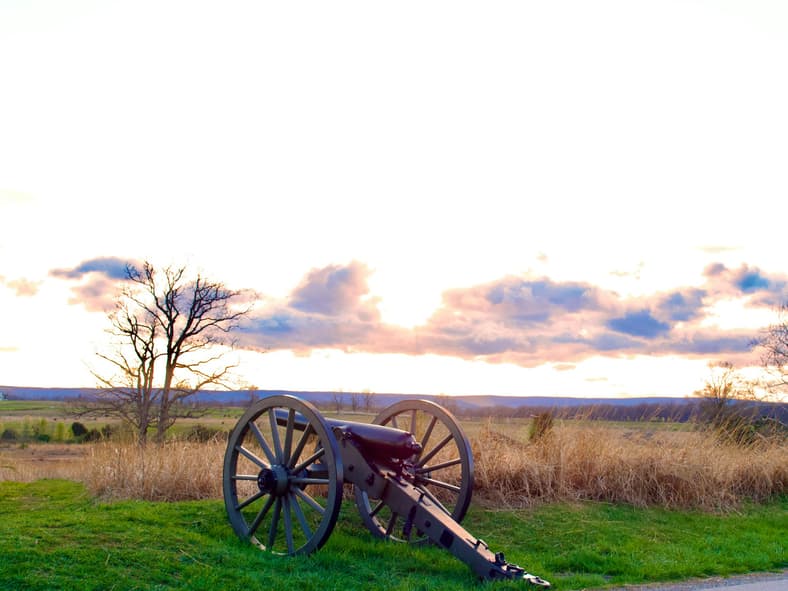
Pickett’s Charge happened on July 3, 1863, when Robert E. Lee ordered a large Confederate assault against the Union center at Gettysburg. The attack crossed open ground and was badly cut down by Union artillery and rifle fire. Wikipedia reports that the target and reasoning behind the assault remain part of a long historical argument.
Some historians believe Lee wanted to continue his earlier plan to seize key ground around Cemetery Hill. Others see the charge as a costly mistake built on poor coordination, bad assumptions, and overconfidence. Since Lee said little about it later, the real thinking behind the order falls into the Civil War mysteries category.
Secret agents in the shadows
Civil War spying was messy, risky, and often badly recorded. History.com reported that the Confederate Signal Corps had a covert Secret Service Bureau that managed spying along the “Secret Line” between Washington and Richmond, while also passing coded messages to agents in the North, Canada, and Europe.
Specific operations still raise questions because secrecy was the whole point. The Essential Civil War Curriculum found that intelligence work was often ad hoc, with spies, scouts, civilians, deserters, and coded signals all mixed together. It also reports that many operatives avoided paper trails, which left later historians with gaps and more Civil War mysteries.
The Keystone State disappears
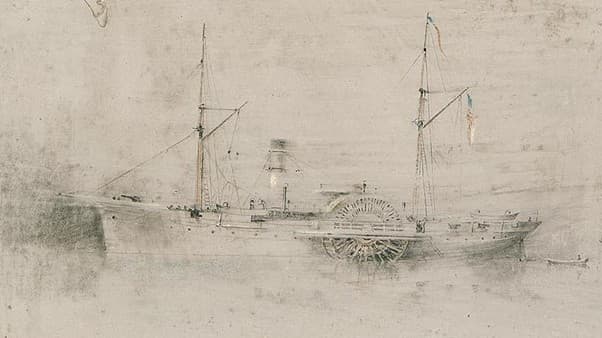
In November 1861, the steamer Keystone State vanished on Lake Huron during a trip from Detroit to Milwaukee. The Captain reported that the ship went down in a storm with no survivors, and that explorer David Trotter’s crew found the wreck in 2013 in 175 feet of water, far off course.
Divers24 described its official cargo as “iron parts” or “agricultural machinery,” though rumors persisted that it may have carried guns and ammunition. Hastily moving farming equipment in November sounds odd, but rumors are not proof. The wreck finally answered where the ship went, but it did not fully answer why it sailed in a hurry, without lifeboats, into such danger.
Angel’s Glow at Shiloh
At Shiloh in April 1862, some wounded soldiers reportedly noticed their injuries glowing in the dark. Superbugs reports that doctors also observed that men with glowing wounds seemed to recover better than others, which earned the strange effect the nickname “Angel’s Glow.”
This one sounds like pure science fiction at first. However, information from Superbugs shows the likely answer came in 2001, when students Bill Martin and Jon Curtis connected the glow to Photorhabdus Luminescens, a bioluminescent bacterium.
Cold, wet, muddy battlefield conditions may have helped the bacteria survive in wounds, while hypothermia lowered body temperatures enough for the process to work. The mystery may have a theory, but it’s far from certain and still sounds unreal.