
 Duane Beckett
The U.S. history with war is complicated. Amazingly, this nation has more than once fought alongside forces that later became enemies or rivals.
World War II: The Soviet Union turns into the Cold War rival
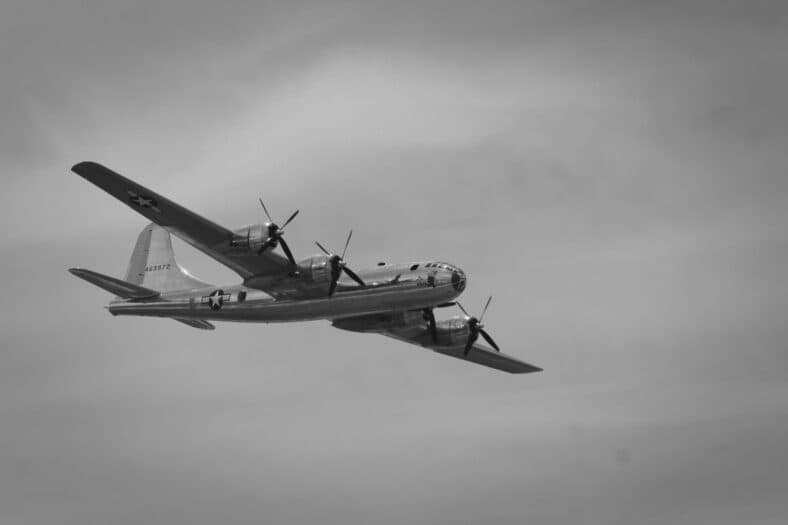
According to the U.S. Office of the Historian, the U.S.-Soviet alliance from 1941 to 1945 was essential to defeating Nazi Germany. Soviet forces carried out a brutal fight on the Eastern Front, while the U.S. and Britain pushed from the west and supplied massive wartime aid. It was a Grand Alliance built on need more than trust.
The National WWII Museum stated that tensions between the former allies grew quickly after the Axis was defeated. By 1947, the U.S. had adopted containment as a central policy against Soviet power. So a wartime partner became a Cold War rival, complete with spies, proxy wars, nuclear fear, and decades of mistrust.
China in World War II: An ally, then a Communist adversary
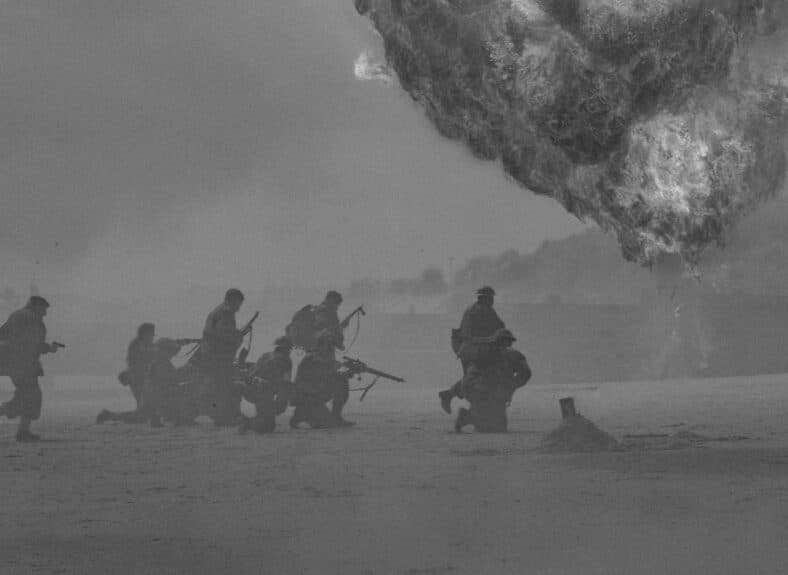
The U.S. fought alongside and supported Chinese forces during World War II, especially the Nationalist government of Chiang Kai-shek, not Mao’s later People’s Republic of China. The National Archives states that the American Mission to China was created in 1941 to help facilitate aid to China. U.S. forces also operated in the China-Burma-India war.
The Office of the Historian reports that Mao Zedong declared the People’s Republic of China on October 1, 1949, after the Communist victory in China’s civil war. The Korean War then put the PRC and the U.S. on opposite sides, ending any real chance of a continued alliance.
Afghanistan: Cold War help with a long shadow
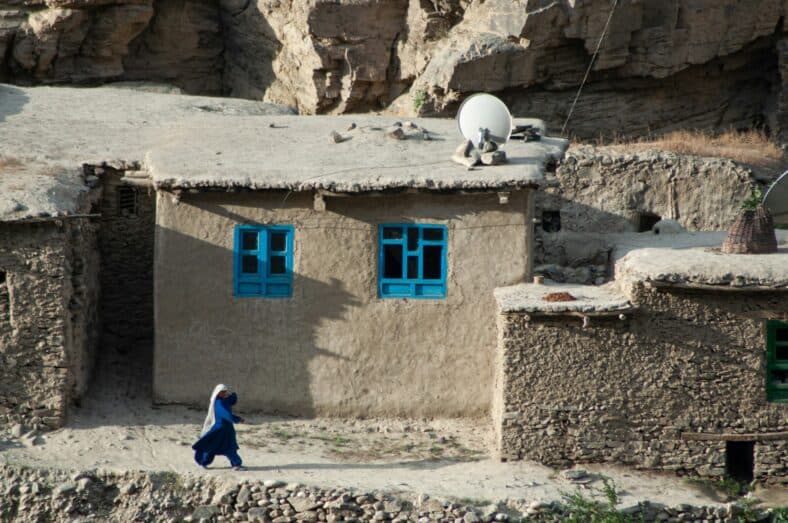
In 1979, the Soviet Union invaded Afghanistan and took control of Kabul and large parts of the country. The U.S. saw the invasion as a Cold War challenge and began supporting Afghan insurgents, first with non-lethal aid and later stepped-up assistance after the invasion. The goal was simple: to make the Soviet war painful.
The Office of the Historian stated that the Soviets eventually left behind a shattered country. In that wreckage, the Taliban later seized control and gave Osama bin Laden a base for global terrorist operations. Some of the networks and conditions born in that era led to the war in 2001.
Castle Itter: Americans and Germans against the SS
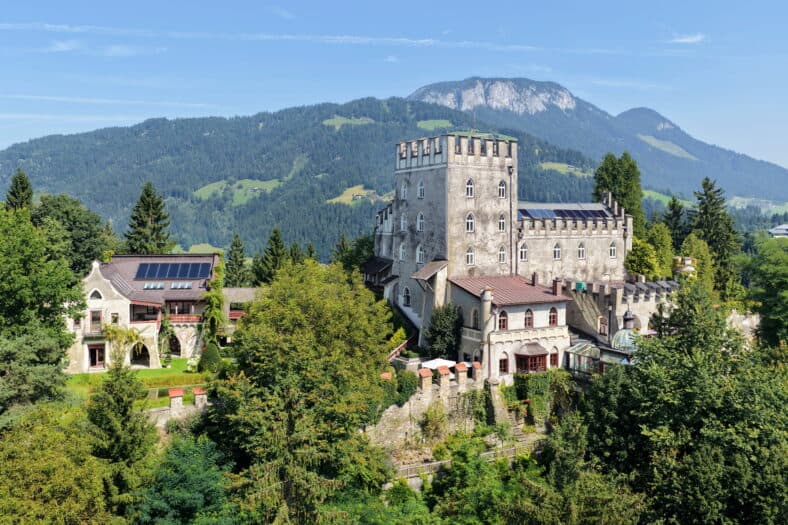
On May 5, 1945, at Castle Itter in Austria, German Wehrmacht soldiers were already the enemy of the U.S. in World War II. But at Castle Itter, some defected German troops fought beside U.S. soldiers, French prisoners, and Austrian resistance members against Waffen-SS attackers.
History.com states that American troops, French VIP prisoners, and German soldiers defended the castle together when 100 to 150 Waffen-SS troops attacked. It sounds like a late-war action film, except stranger. The defenders held until U.S. reinforcements arrived, and German Major Josef Gangl was killed while helping protect former French Prime Minister Paul Reynaud.
World War I: Japan before Pearl Harbor
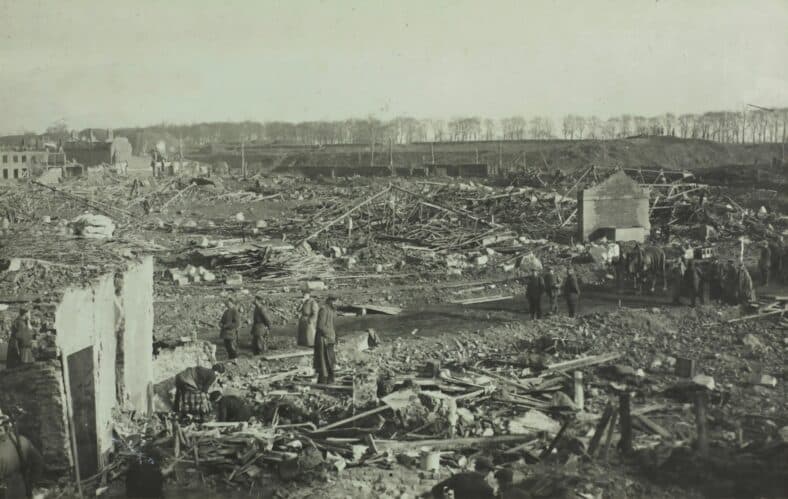
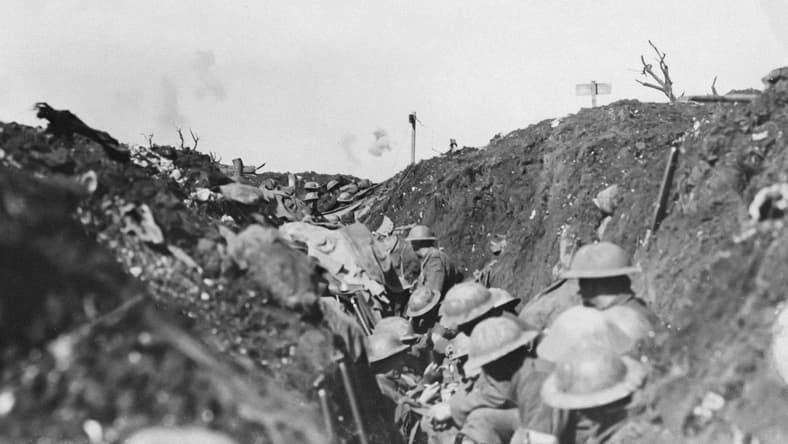
The U.S. entered World War 1 in 1917 as an associated power against Germany. Information from the National WWI Museum and Memorial shows Japan partnered with the Allies and captured German territories in the Asia-Pacific areas. The U.S. and Japan were not close battlefield buddies in the European trench-war sense, but they were aligned against Germany.
By 1941, that old alignment was gone. Japan attacked Pearl Harbor on December 7, 1941, destroying or damaging much of the U.S. Pacific Fleet and pulling America fully into World War II. In one generation, a World War I ally became one of America’s principal enemies.