
 Duane Beckett
Some of the technology built during World War II is mind-blowing, from tanks to radar and jet aircraft. However, the war also produced some absolutely bizarre devices, like fake feet, weaponized itching powder, and a gun you fired by punching someone.
Some of these bizarre World War II devices sound like rejected James Bond contraptions made by Q, but soldiers, agents, and special units really handled this strange gear.
1. Fake “Bare Feet” Overshoes
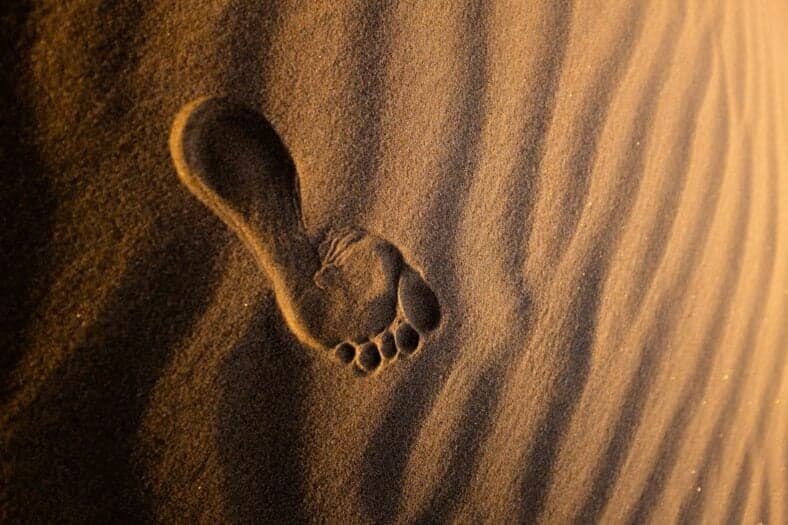
British Special Operations Executives (SOE) sometimes wore rubber overshoes shaped like bare human feet over their normal boots. The Imperial War Museum states that these “sneakers” were designed to disguise footprints when agents landed on beaches, especially in Southeast Asia and the Pacific.
It’s super weird, but it would mean a trained operative could walk inland while leaving tracks that looked like a barefoot local had passed through. That could make a huge difference because enemy patrols might miss signs of a landing or insertion.
They were used during World War II by SOE agents operating in beach and jungle conditions, where sand and mud could give a mission away fast.
2. Super-Strength Itching Powder
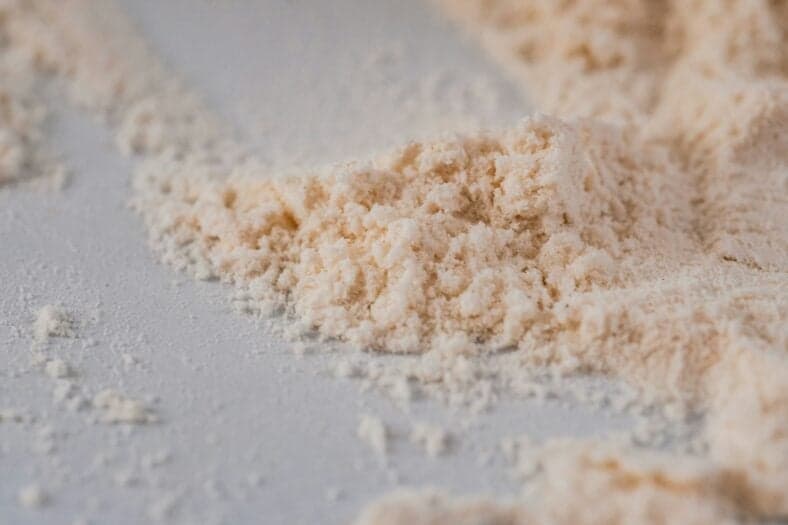
Super-strength itching powder was one of the SOE’s stranger morale weapons. According to Powder & Bulk Solids, the SOE developed a powder from Mucuna plant seeds and sent it to agents and resistance fighters across Europe. The goal wasn’t to kill. It was to make German troops miserable, distracted, and less ready for duty.
The Guardian reported that there were instructions to apply it inside underclothing, which is both childish and brutal in a very wartime way. SOE agents claimed in October 1943 that 25,000 German sailors had been affected.
It was used from the later war years onward, mainly as sabotage through laundry, clothing, and uniforms.
3. Exploding Rats
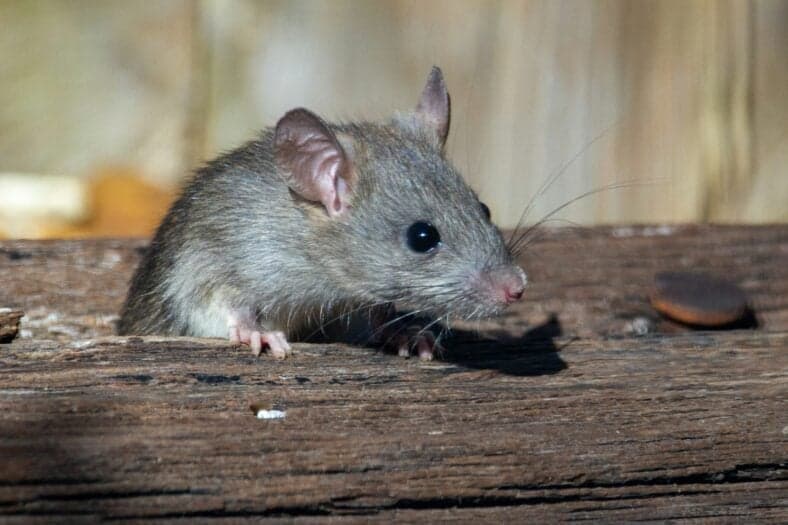
Dead rats packed with explosives may be the weirdest and most horrible item on this list. War History Online reported that SOE agents planned to place explosive rats near factories, where workers would throw them into fires and trigger blasts.
The National Archives also lists “explosive rat” material under SOE sabotage, deception, and camouflage records from 1941 to 1945. This is the kind of idea that fits a bizarre war movie, not real life.
The plan was meant to damage boilers, locomotives, and industrial sites. One key catch, though: the first shipment was discovered by German soldiers, so exploding rats never became a proven battlefield device. However, it did become one of many bizarre World War II devices on our list.
4. Krummlauf Curved-Barrel Attachment
Germany’s Krummlauf was a curved barrel attachment for the StG 44, built so troops could fire around corners or from armored vehicles.
Popular Mechanics states that one version had a 30-degree bend for infantry, while a 90-degree version was meant for vehicles. Sandboxx reported that the idea came about in 1944, when Germany was desperate for battlefield advantages.
It was weird because the concept looked cartoonish, but the purpose was practical. A soldier could stay behind cover while firing toward an enemy position. The problem was wear and accuracy. Bullets could break apart, and the barrel life was short. However, it did see limited late-war use.
5. Glove Gun
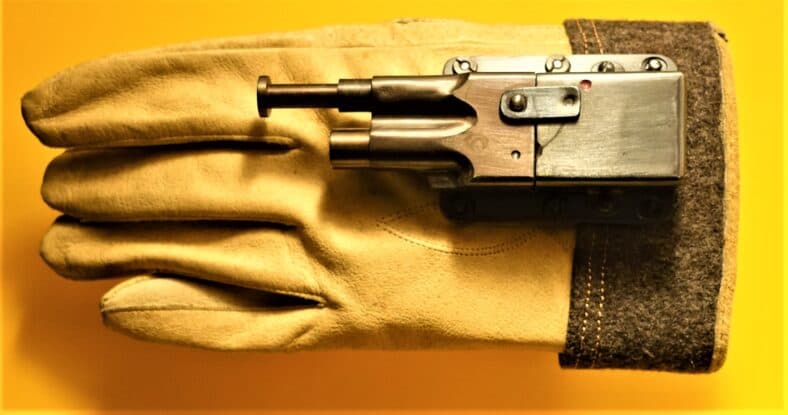
The glove gun was a single-shot pistol attached to a heavy leather work glove. Forgotten Weapons states that it was funded by the U.S. military during World War II and worked by making a fist, then punching the target so a plunger fired the round.
The American Handgunner found that fewer than 200 Hand Firing Mechanism MK 2 weapons were made, with limited issue among U.S. Navy and Marine personnel in the Pacific Theater. It was used as a last-ditch close-combat weapon, likely for troops such as Seabees who needed their hands free but still wanted a hidden emergency firearm.