
 Alexandria Wyckoff
Every day, we use various inventions from history, from looking at the new notifications on our phone to hopping in our cars to drive to work. But did you know that many of the items we use every day were invented during times of war? We may take them for granted now, but these inventions helped the war effort, whether it was for soaking up blood or sealing up packages. Check out these six wartime inventions we use every day.
6. Sanitary Pads
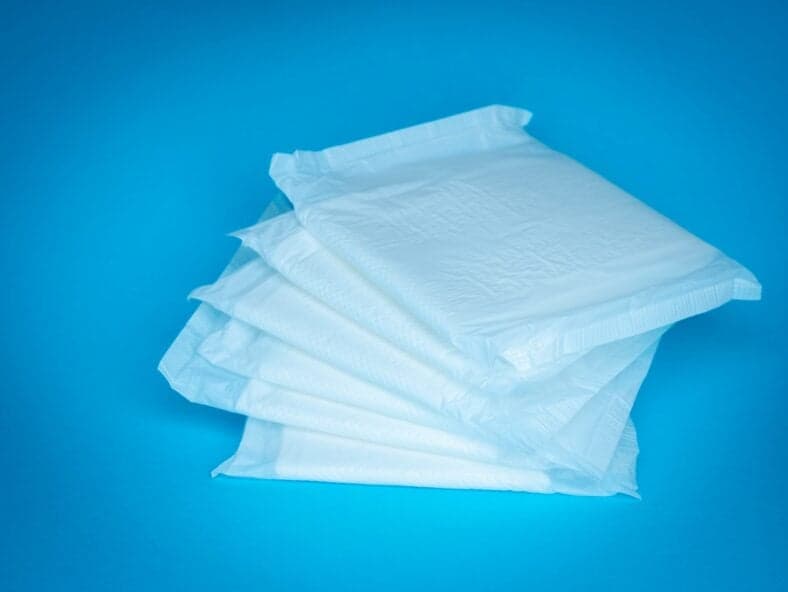
Starting our list of wartime inventions we use every day are sanitary pads. While they might fall under a taboo topic about periods, they immensely help women during that time of the month. Before World War I, women on their cycle would use homemade cloth pads, which weren’t that great. During the war, there was a cotton shortage, leading to a new product called Cellucotton. The material was much more absorbent and cheaper, and was used to treat wounds. However, nurses started to use them as sanitary pads, leading to the product hitting consumer shelves in 1920.
5. EpiPen
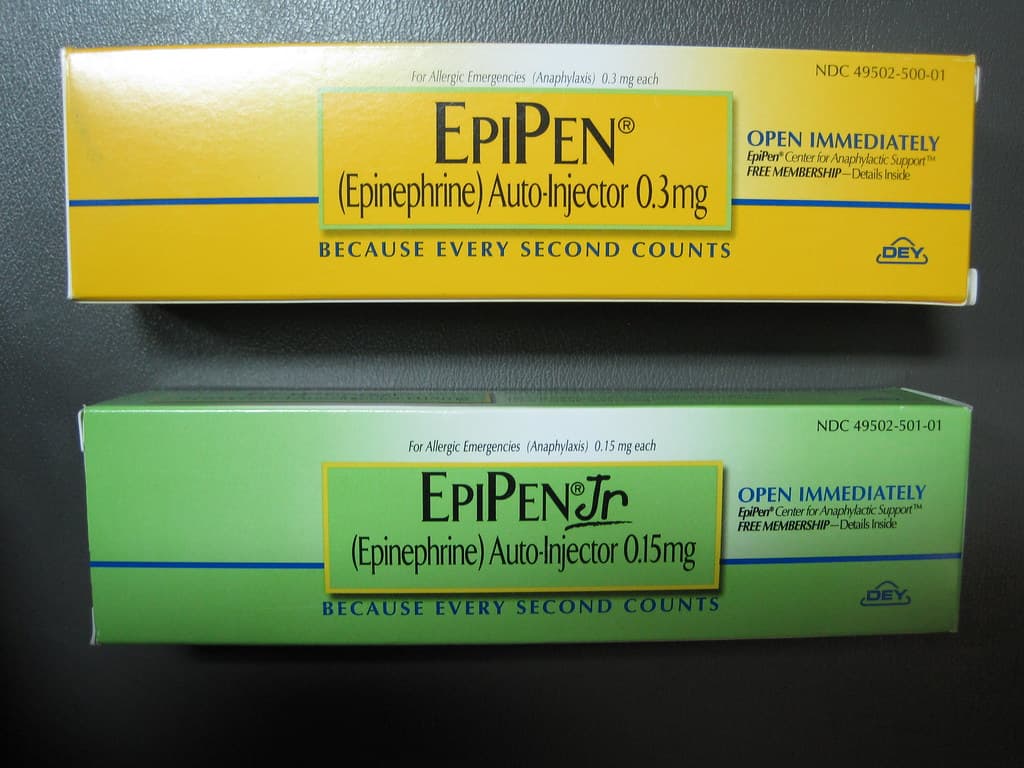
Fifth on our list of wartime inventions we use every day is EpiPens. While the device to treat anaphylaxis wasn’t created by the U.S. military, the technology of the device was. During the Vietnam War, the Army wanted a way to quickly treat troops exposed to chemical warfare. This led to an auto-injector, where a prefilled syringe would deliver antidotes in high-stress situations. Not long after, the medical world took the device and added epinephrine, so those who had life-threatening allergies could carry their treatment right in their pocket.
4. Duct Tape
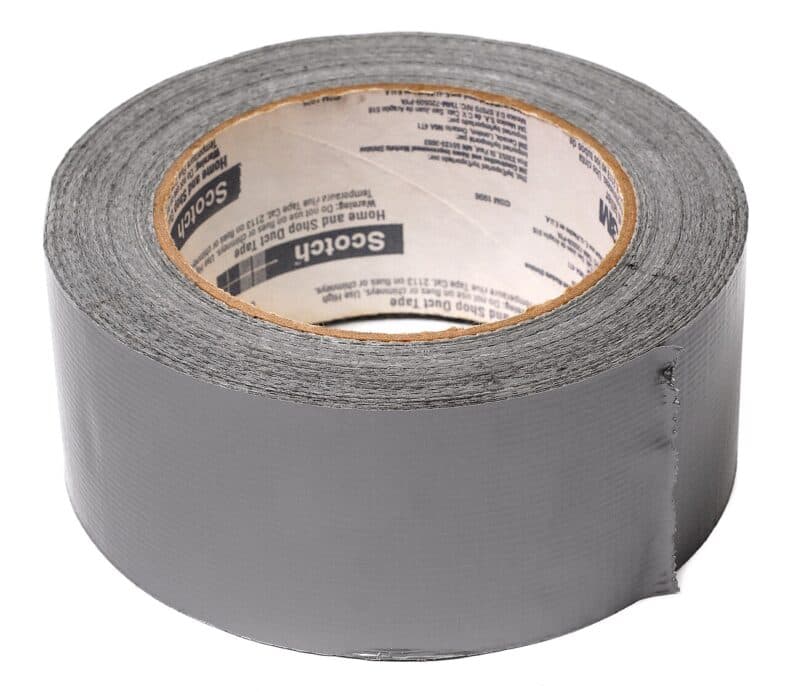
Next on our list of wartime inventions we use every day is duct tape. Instead of being created by the military, this one was created for the military. During World War II, Vesta Stoudt was working in a factory and noticed the traditional paper-and-wax seals weren’t that efficient. Instead, she thought of a cloth-based tape instead, nicknaming it “duck tape.” After some convincing, the military rolled out the tape to troops, who used it for much more than sealing packages. Today, people use it for just about anything.
3. Microwave Oven
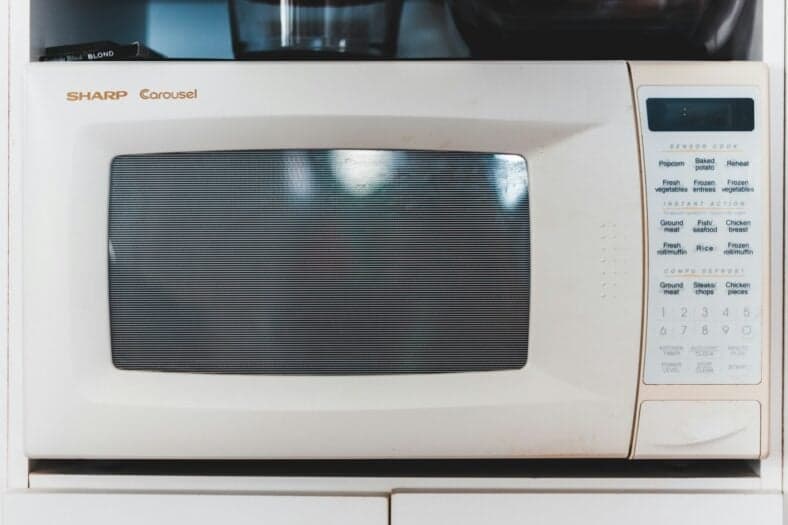
Rounding out the top three wartime inventions we use every day is the microwave. Due to the invention of radar, we later got the microwave by accident from military engineer Percy Spencer after World War II. While experimenting on a magnetron, he realized the candy bar in his pocket had melted. After a few more experiments, he realized the device could cook food faster than a regular oven. The first microwave was produced in 1947, though it took around 20 years for the device to become widespread.
2. Bug Spray
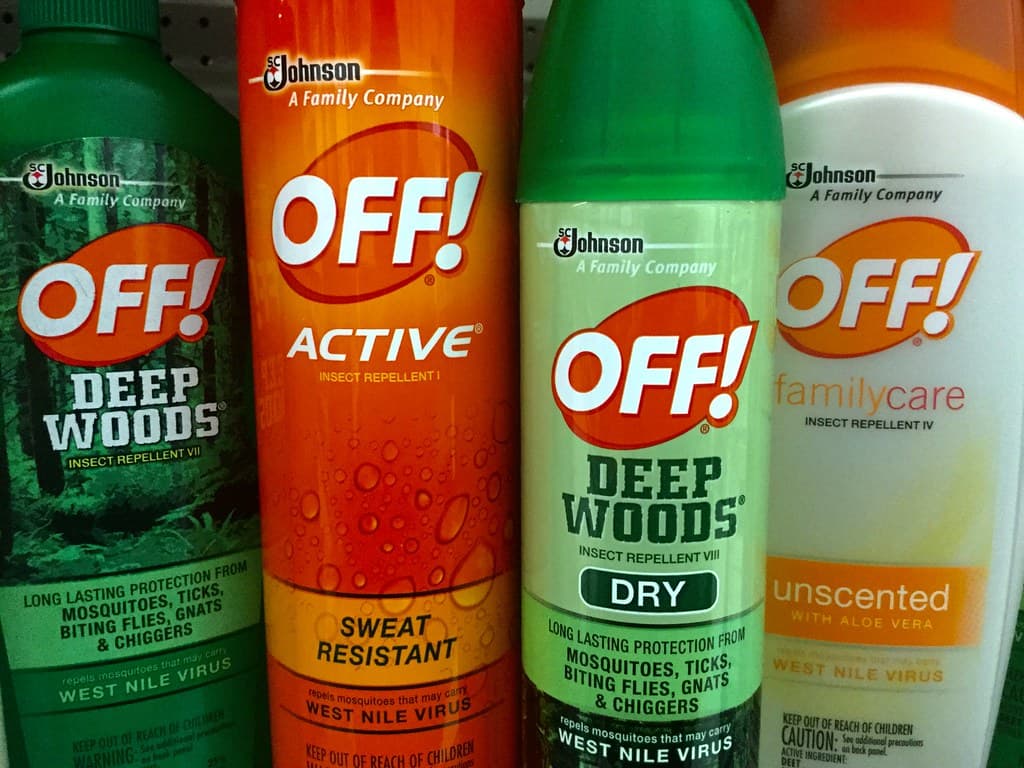
Second on our list of wartime inventions we use every day is bug spray. During World War II, U.S. troops struggled in the jungles of the Pacific theater, as they were being eaten alive by mosquitoes and other insects. It didn’t help that they were often carrying malaria and dengue fever, too. In 1944, the War Department collaborated with the Agriculture Department to develop a treatment to protect troops, which is where the chemical N,N-diethyl-meta-toluamide appeared. Known as DEET, the treatment helped troops and was later released to the general public in 1957.
1. Wristwatch
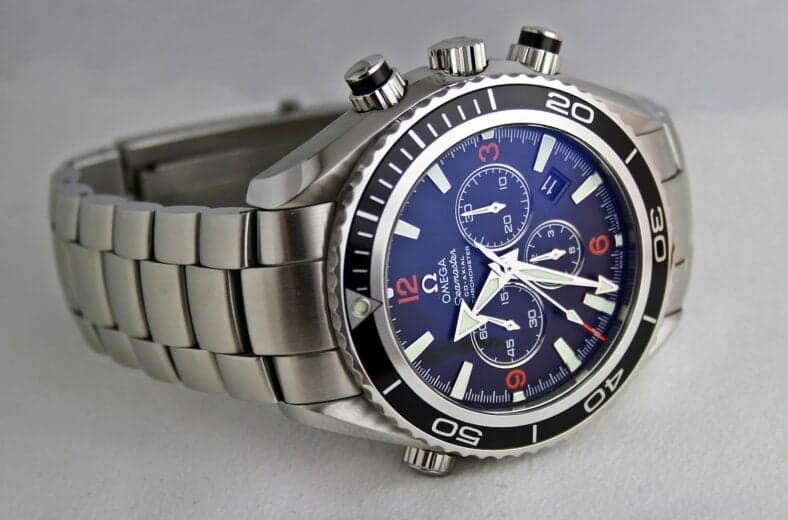
Last but not least on our list of wartime inventions that we use every day is the wristwatch. Before World War I, the pocket watch was the go-to for timepieces. However, when World War I rolled around and the U.S. joined the effort, it was much more practical for soldiers to keep time on a “trench watch.” The U.S. Army oversaw the testing of timepieces and the purchasing of wristwatches, which were distributed to the Army and the Navy. Civilians later adopted the switch, and by the 1920s, the wristwatch was far outpacing the pocket watch in sales.