
 Duane Beckett
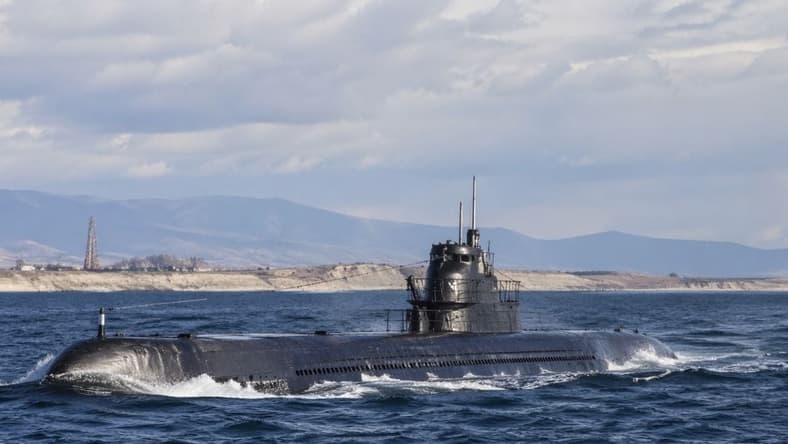
World War II did not stay overseas, Axis forces struck places such as Ellwood and Fort Stevens, while other attacks and plots reached forests, beaches, and shipping lanes close to home.
Pearl Harbor is not on this list, partly because almost everyone already knows about that horrific attack. It also took place in Hawaii, which was a U.S. territory at the time, not yet a state, so this list focuses on lesser-known World War II incidents that happened in the continental United States.
1. Bombardment of Ellwood, February 23, 1942
February 23, 1942, put coastal California on edge. A Japanese submarine surfaced off Ellwood, near Santa Barbara, and fired shells at the oil field, causing only minor damage. Still, the shock mattered. Goleta History states that the shelling was the first attack on the mainland United States during World War II, and it fed fears that a larger strike might follow. That kind of panic is easy to forget now, but people living in that period of history felt the war had suddenly stepped onto their doorstep.
2. Bombardment of Fort Stevens, June 21, 1942
At the mouth of the Columbia River, the war came ashore again. On June 21, 1942, the Japanese submarine I-25 fired on Fort Stevens in Oregon. According to the Oregon History Project, seventeen shells landed around the fort, but the attack caused little real damage, and American troops were ordered not to return fire. The moment still stands out because it made Fort Stevens the only military installation in the continental United States to be fired on by an enemy during the war. A strange, tense little chapter.
3. Lookout Air Raid, September 9, 1942
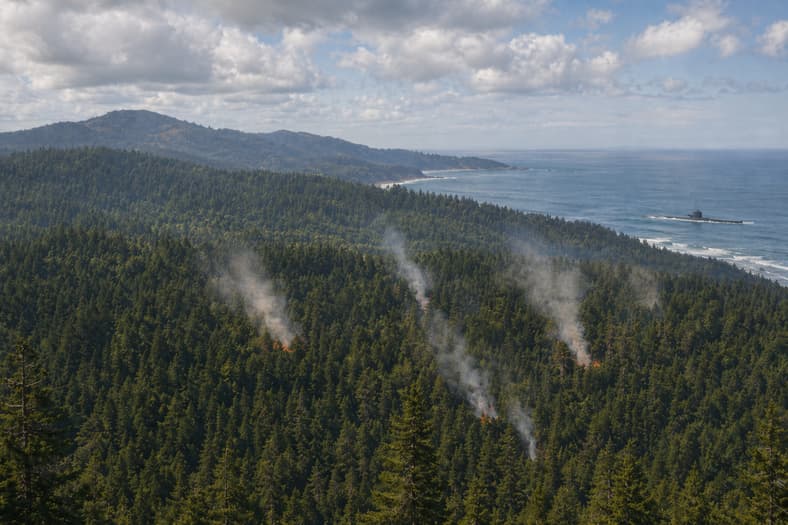
A small aircraft launched from a Japanese submarine carried out one of the oddest attacks of the war. On September 9, 1942, incendiary bombs were dropped over forestland near Brookings, Oregon, in what became known as the Lookout Air Raid. The Oregon History Project states that the goal was to ignite major forest fires and pull American attention and manpower away from the wider war. It did not work. The bombs failed to start the kind of blaze Japan wanted, but the idea alone is unsettling.
4. Operation Drumbeat Hits the East Coast, January 1942
Before most Americans had fully adjusted to wartime life, German U-boats were already stalking ships off the East Coast. Naval History Magazine reported that Operation Drumbeat erupted along America’s shoreline in January 1942, with submarines hunting from Nova Scotia to Florida. Another account on Long Island history recalls the war reaching those waters on January 14. Ships were picked off near shore, city lights made targets easier to spot, and even the approaches to New York no longer felt safe. For coastal families, this was not some far-off ocean war anymore.
5. Operation Pastorius Landing, June 13, 1942
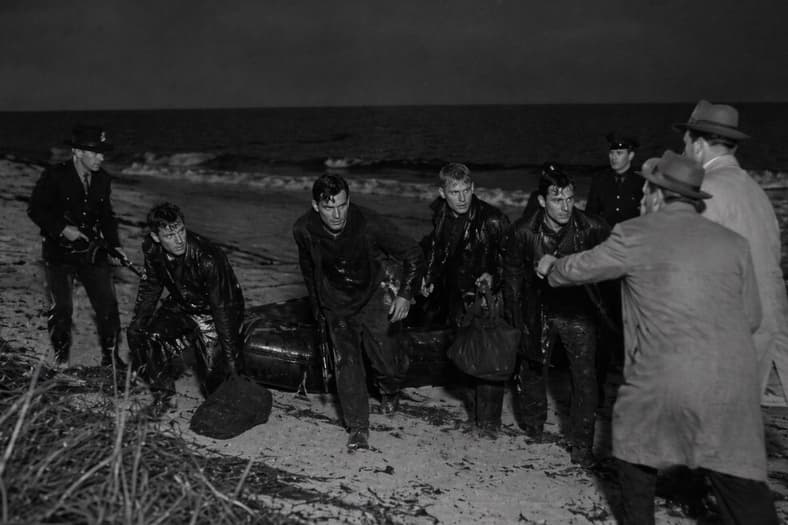
This one reads like an espionage movie, except it was real. Just after midnight on June 13, 1942, four German saboteurs came ashore near Amagansett on Long Island as part of Operation Pastorius, carrying explosives, fuses, and plans for attacks inside the United States. As the FBI puts it, a Coast Guardsman spotted them almost immediately, and the mission began to unravel. George Dasch, the group’s leader, soon turned himself in and gave up the whole plot. The rest were tracked down fast.
6. Fu-Go Balloon Bomb Tragedy, May 5, 1945
A church picnic near Bly, Oregon, ended in horror on May 5, 1945. A Japanese balloon bomb exploded after a woman and several children found it in a remote area near Gearhart Mountain. HistoryLink states that Elsie Mitchell and five children were killed, making them the only civilians to die in an enemy attack on the U.S. mainland during World War II. This story is especially chilling because it came so late in the war, when many Americans likely thought the danger had mostly passed.