
 Duane Beckett
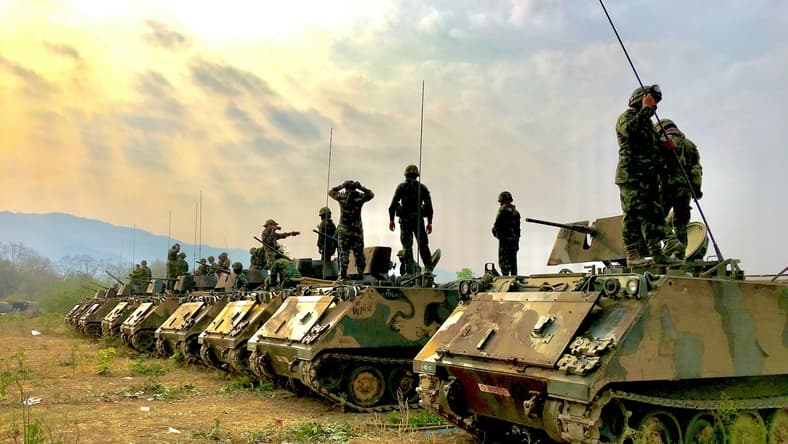
When it comes to war, the atrocities always outweigh the inventions. However, it’s often during wartime that governments push scientists to solve problems fast. Sometimes, the result is exactly what they planned. Other times, the mistake becomes the breakthrough.
These wartime military technologies came from failed tests, odd detours, or inventions that proved useful in a way no one expected at first.
Superglue (Cyanoacrylate), World War II
Superglue began as a failed World War II materials project. Dr. Harry Coover was working with Eastman Kodak on cyanoacrylates while trying to create clear plastic for precision gun sights. The goal was not glue but better military optics.
According to Lemelson-MIT, Coover’s team found the material bonded too easily because moisture made it polymerize, which caused it to stick during testing. The team rejected it and moved on. Years later, Coover rediscovered cyanoacrylate and realized the annoying part was actually the selling point, turning wartime military technologies into a home purchase.
Radar (Cavity Magnetron), World War II
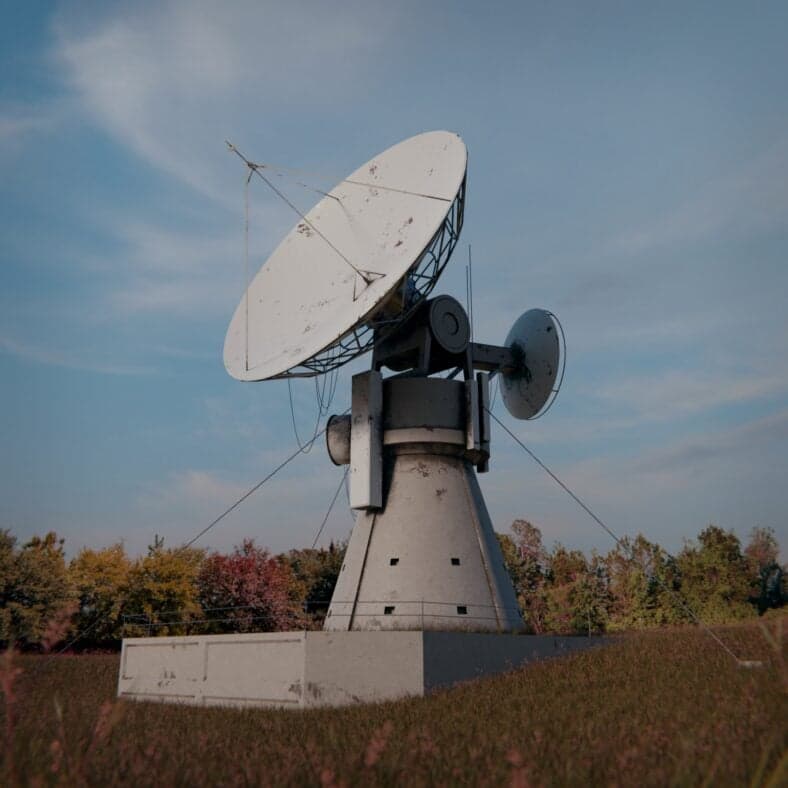
The cavity magnetron was built for war, but its wider legacy came from what the technology could also do. In 1940, John Randall and Harry Boot developed a prototype cavity magnetron at the University of Birmingham. It generated microwaves for compact, powerful radar.
The Science Museum states that the invention helped portable airborne radar reach American and British aircraft by early 1941, giving the Allies an important advantage. The accidental side came later, when microwave energy’s heating effect led to the microwave oven.
So, the wartime invention was radar hardware, but the surprise was that the same core technology eventually changed kitchens too.
Duct Tape, World War II
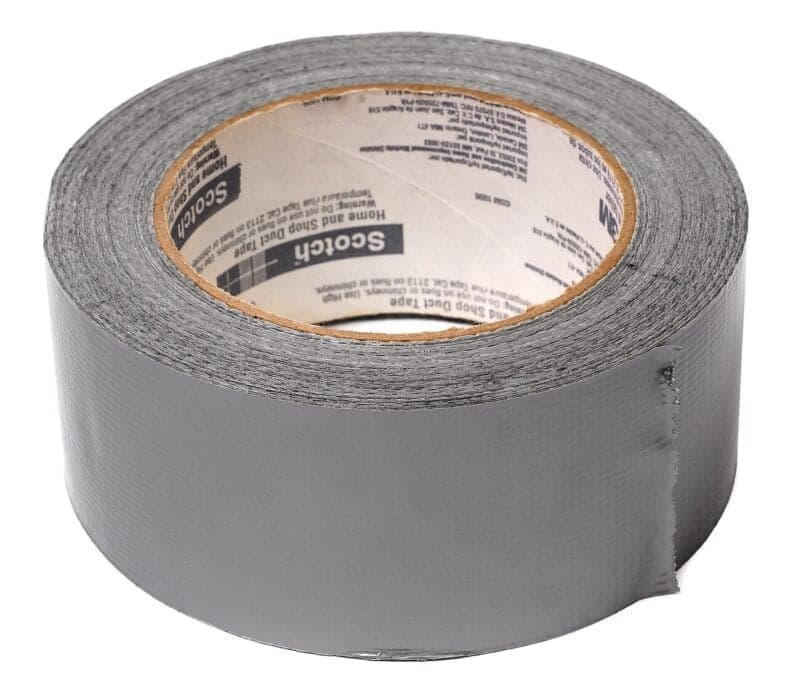
The invention of duct tape started in 1944, when Vesta Stoudt worked at the Green River Ordnance Plant in Illinois. Stoudt noticed a flaw where paper tabs could easily tear off sealed ammunition boxes. This was a big problem for soldiers under fire.
Johnson & Johnson’s records state that Stoudt suggested a waterproof cloth tape. She wrote to President Franklin D. Roosevelt, and the War Production Board later approved the idea. The accident came from how soldiers ultimately used the tape. They used it for almost everything, from fixing boots to repairing Jeep parts and more.
Frequency-Hopping Spread Spectrum, World War II

Frequency-hopping spread spectrum came from a very specific wartime fear. Enemy forces could jam radio-guided torpedoes. Hedy Lamarr and composer George Antheil came up with a system that jumped between radio frequencies so the signal would be harder to block.
The National WWII Museum states that Lamarr and Antheil created a “Secret Communication System” during World War II, received a U.S. patent, and saw the idea ignored by the Navy during the war.
I’ve always liked this one because it feels like a lost Marvel side plot, a Hollywood star quietly inventing future tech. Amazingly, its principles later helped shape Wi-Fi, GPS, and Bluetooth.
Pressurized Aircraft Cabins, World War II
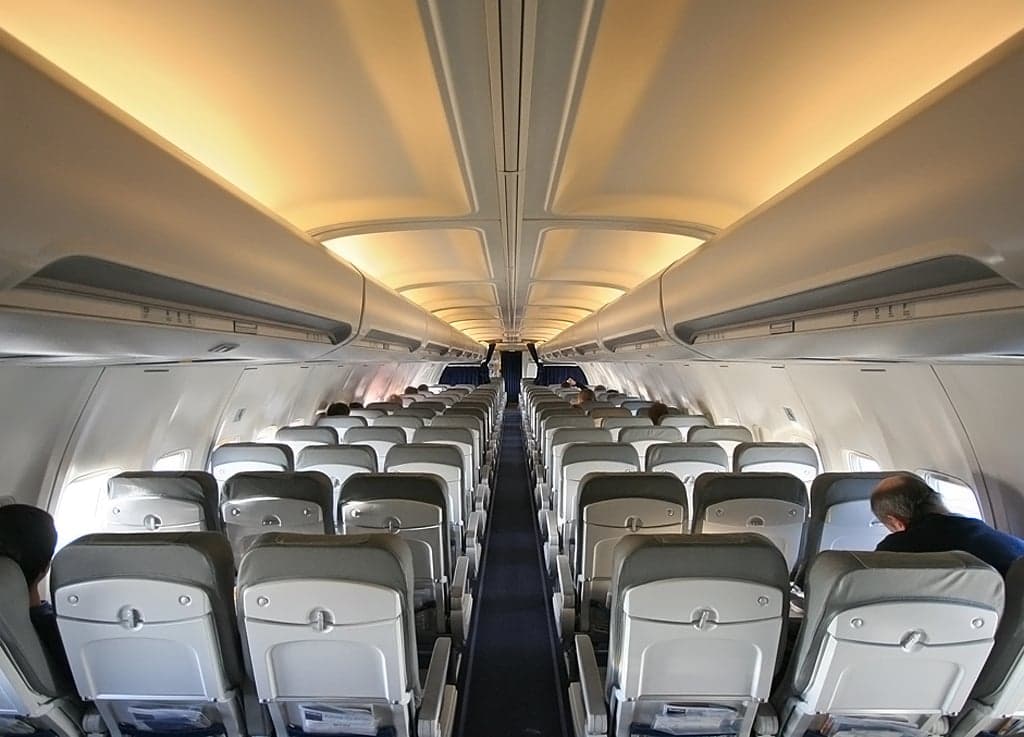
Pressurized aircraft cabins became practical military technology because World War II aircraft had to fly higher and farther. Boeing’s B-29 Superfortress needed crews to survive at high altitude while carrying out long-range bombing missions. Oxygen and crew comfort were not luxuries. They were mission problems.
Information from the Smithsonian’s National Air and Space Museum shows that the B-29 was the first bomber to house its crew in pressurized compartments. This one is more of a wartime breakthrough than a pure accident, but the unintended legacy is clear. A bomber solution helped set expectations for modern aircraft cabins.