
 Duane Beckett
Revolutionary War uniforms had specific flourishes that seem a little odd by today’s standards. Soldiers and officers didn’t just wear coats, hats, shoes, and stockings. They also wore metal throat badges, strap-on ice claws, tall foreign caps, and colored hat ribbons that helped show rank. Some were practical, while others were pure 1700s military theater. Explore these five strange things Revolutionary War troops actually wore on the battlefield.
Gorgets, “Neck Armor” as Rank Badges
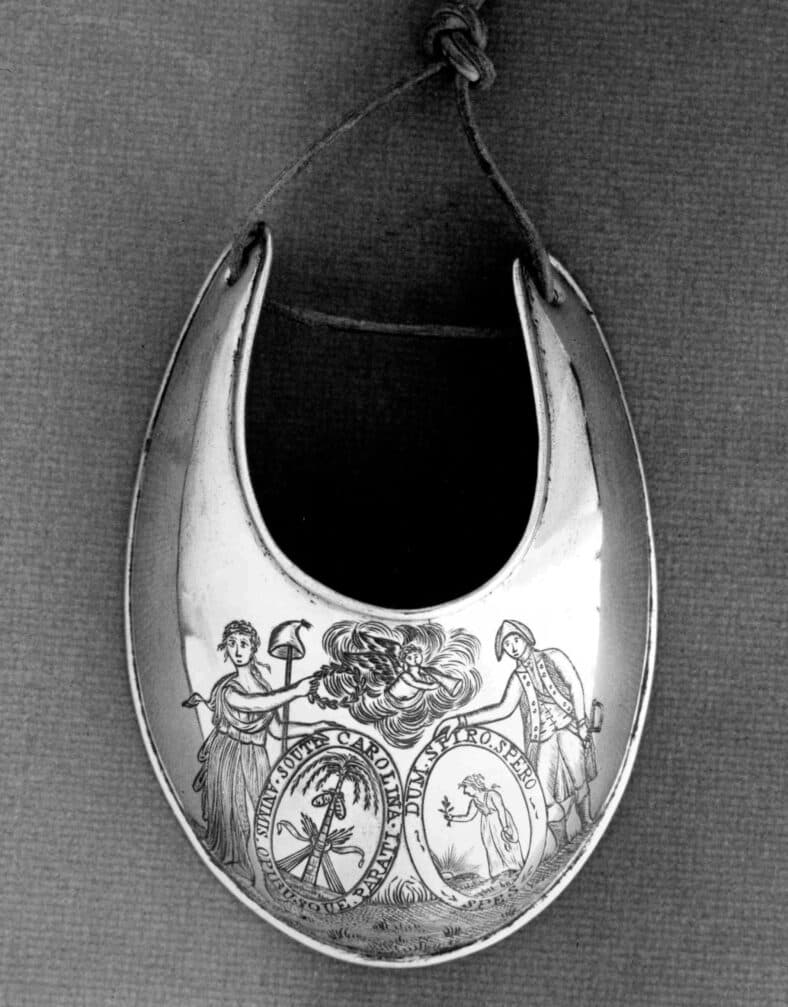
Gorgets were small crescent-shaped metal plates worn high on the chest, near the throat. Long before the Revolutionary War, they had been part of the armor. By the 1770s, they were mostly decorative rank badges.
According to the Museum of the American Revolution, one British silver gorget was made in England in 1775-1776 for an officer of the 60th, or Royal American, Regiment. The museum states that officers wore matching silver gorgets as part of their uniforms to show rank.
The History of Massachusetts adds that British infantry officers tied gorgets around the neck with silk ribbon. They’re a strange little flourish, almost like a leftover trinket from a medieval knight’s armor.
Long Wool Gaiters Over Shoes and Stockings
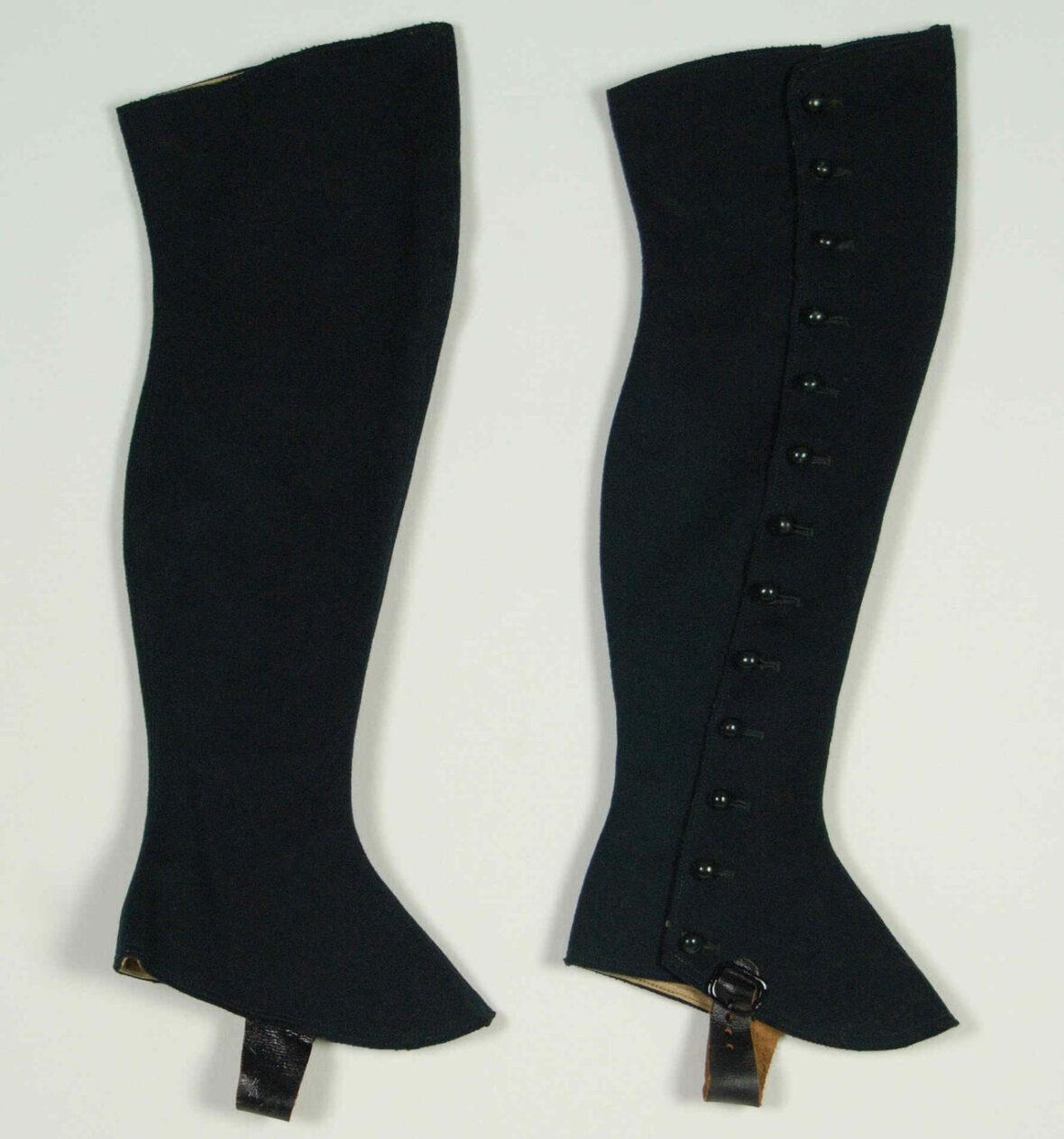
Long gaiters were covers worn over shoes, ankles, and lower legs. They could be made of canvas or leather, and they fastened snugly so mud, dirt, and water didn’t get into a soldier’s shoes.
Washington Crossing Historic Park states that Revolutionary War troops wore buckled shoes, often with gaiters over the ankles, and long stockings made of wool or linen.
The History of Massachusetts found that British soldiers also wore black linen gaiters as part of their uniforms. I always think these look fussy, but the logic makes sense. Roads were rough. Camps were muddy. Stockings quickly wore out. Yet, gaiters helped protect what little footwear a soldier had access to.
Hessian Mitre Caps and Elaborate Cap Plates
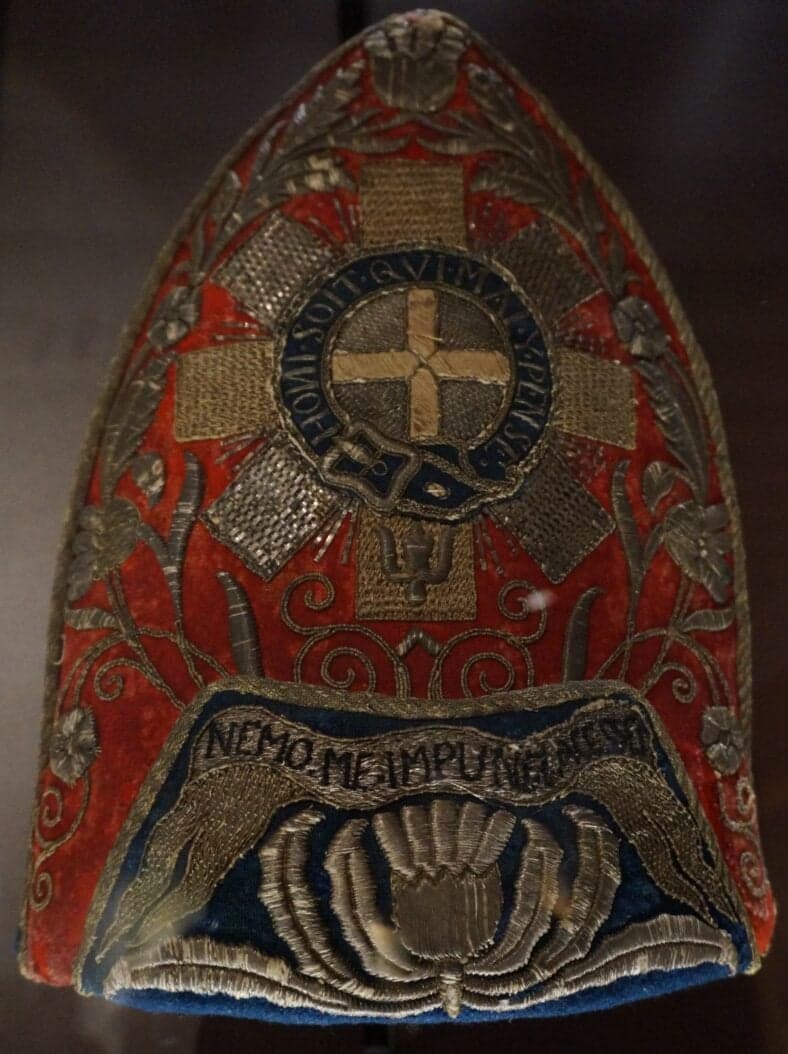
According to the Museum of the American Revolution, embossed metal cap plates once decorated the headgear of Hessian fusiliers, specialized soldiers who served under British command during the Revolutionary War.
The History of Massachusetts adds that Hessian grenadiers wore tall hats with brass plates. These were worn as unit identifiers and status markers, especially on formal duty, parade, and in military service. They were big, stiff, and impossible to miss.
Ice Creepers: Strap-On Shoe Claws
Ice creepers were metal cleats that strapped onto leather shoes. They gave soldiers a better grip on snow and ice, which mattered when winter travel meant frozen roads, icy camps, and river crossings.
Washington Crossing Historic Park states that soldiers could attach cleats known as ice creepers to shoes with leather straps when traveling through heavy snow and ice. The same source also points out that some troops lacked proper footwear during the harsh winter of 1777-1778, which makes these little add-ons feel even more valuable.
Cocked and Tricorn Hats with Rank Cockades
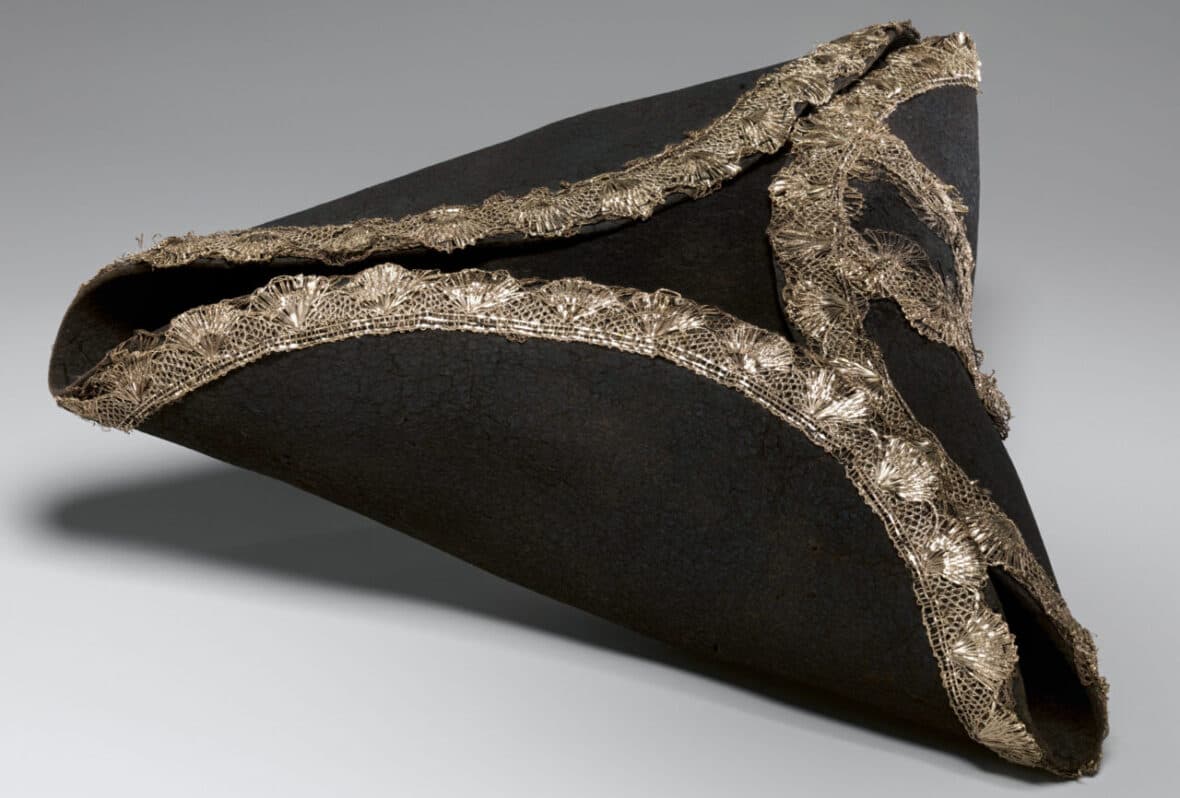
Cocked hats and tricorn hats were felt hats with the brim turned up and pinned on one or more sides. Washington Crossing Historic Park states that tricorn and cocked hats were worn by many Continental soldiers, but the strange element was that officers added colored cockades to identify rank.
The National Museum of the United States Army cites George Washington’s July 23, 1775, order calling for red or pink cockades for field officers, yellow or buff for captains, and green for subalterns. A tiny ribbon as rank code feels odd now, but in a mixed army with uneven uniforms, it was cheap and easy to read.