
 Amelia Andriacco
As time goes on, fashion trends come and go. With things like magazines and social media, it can be easy to assume that a celebrity or a brand started each trend we see. However, many fashion trends have roots in ancient history. Whether they were originally used for fashion or practicality, these historical fashion trends resurface centuries later. Here are 6 historical fashion trends that have made a comeback.
6. Corsets
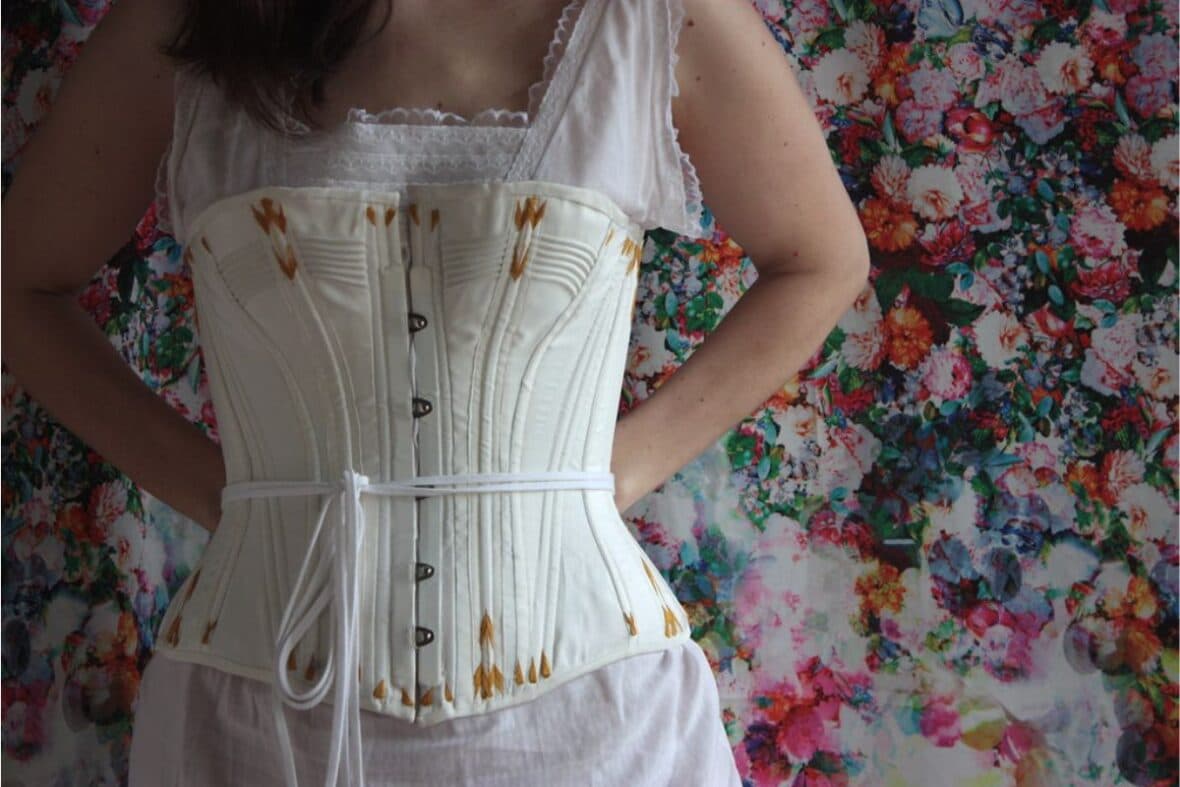
Corsets have become a huge trend in the fashion world. Whether they are being worn over a dress or as the shirt itself, this clothing piece has skyrocketed in popularity in recent years, with celebrities like Dua Lipa and Hailey Bieber participating in the trend. However, corsets were popular much earlier than 2026. In fact, corsets got their start in the 16th century.
The first corset was invented in 16th-century Italy, with the intention of creating a cylindrical shape in women. As time has gone on, the corset has changed and peaked every century up until now. During the Victorian era, it became what it is today: a means of creating an hourglass figure.
Though the appeal of corsets stays the same, there have been a lot of changes in the way corsets are made and worn. 19th-century doctors raised concerns about corsets causing health concerns in pregnancy, as well as indigestion. In 1884, Dr. Gustav Jaeger designed a corset made out of wool. It was designed to be sanitary, flexible, and more importantly, safe.
With health concerns out of the way, the corset continues to come in and out of style as the years go on.
5. Platform Shoes
Though platform shoes are seen as a very modern-day fashion trend, their origin is a lot more historical. While worn by everyday people today, these shoes were intended for actors and actresses in ancient Greece. The “Kothorni” shoes gave the wearer an extra 8-10 cm of height from the wooden cork soles.
In plays, actors would wear them to signify different social classes and the importance of the characters onstage.
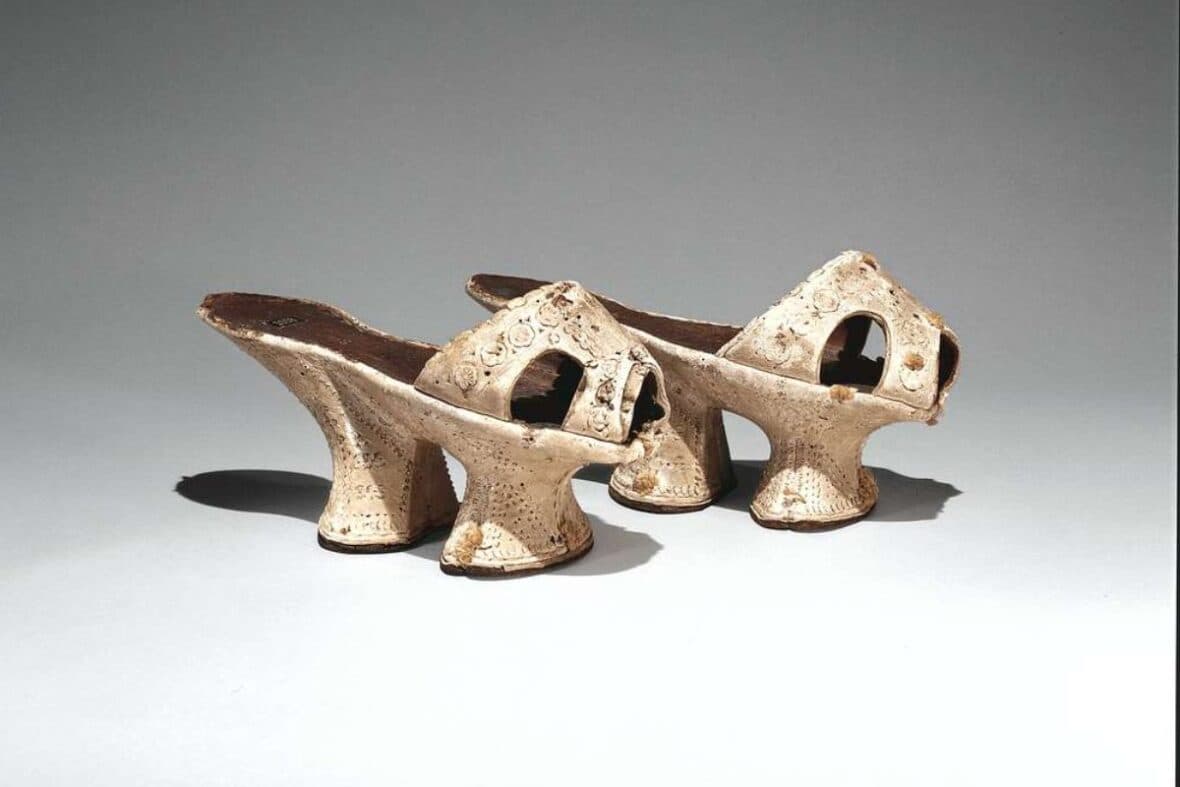
Platform shoes were also popular during the 15th to 17th centuries among wealthy women. The “chopins” signified status through height. Some shoes reached 50 centimeters, meaning servants had to assist women of high status just to walk from place to place.
While platform shoes and high heels do not signify status anymore, they are definitely a popular fashion piece. Whether the wearer has on casual jeans or a fancy dress, high-heeled shoes are a staple in fashion trends throughout the years.
4. Wigs
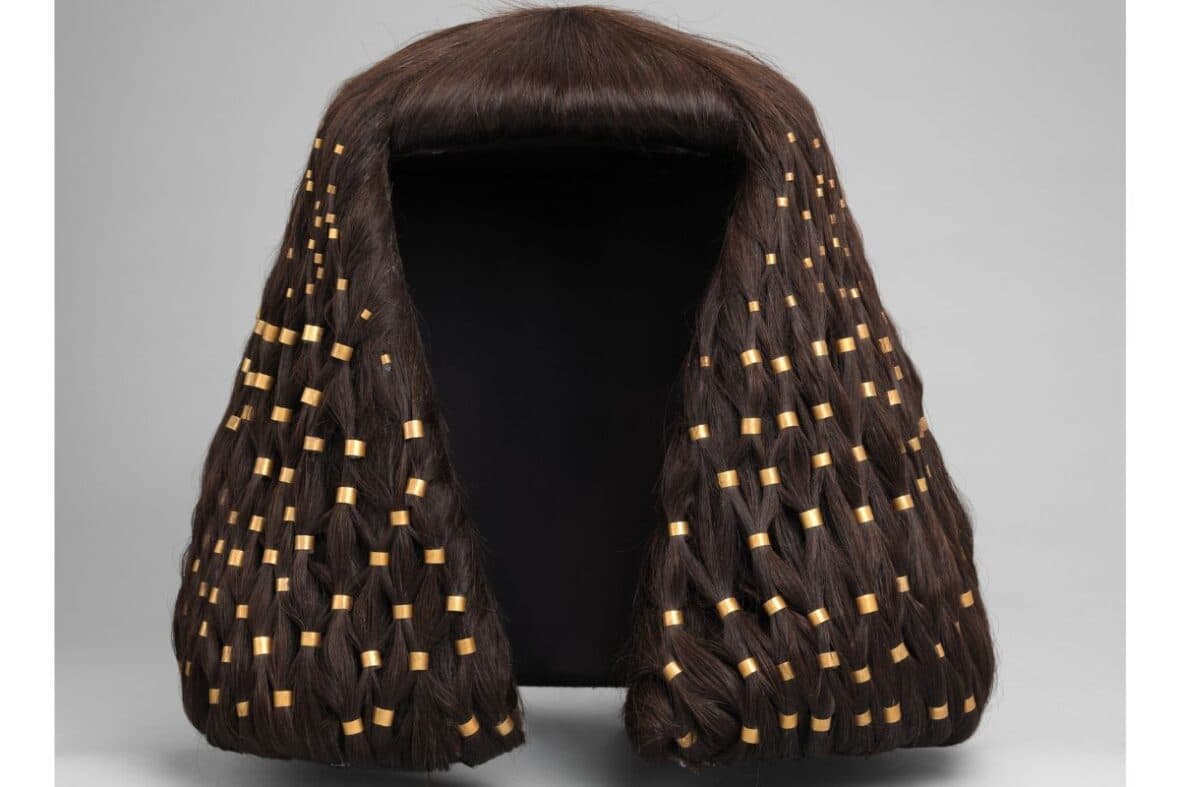
Wigs made of both synthetic and real hair are trending. They offer customizable hairstyles without having to cut, dye, or grow your hair to achieve a certain look. Though they are popular today, their roots are in Ancient Egypt.
Egyptians took hair very seriously. It was a form of hygiene, protection, and self-expression. While shaved heads were popular during this time to avoid things like lice, they still placed a lot of value on hair.
Hair was used to protect them from the sun and to express themselves, just as it is today. Egyptians understood the value of having a perfect hairstyle at the ready far before we did. Hair and wigs were dyed, cut, and styled to maintain the person’s image, with volume being very important to many people. Wigs are a perfect example of a historical trend resurfacing.
3. Fur
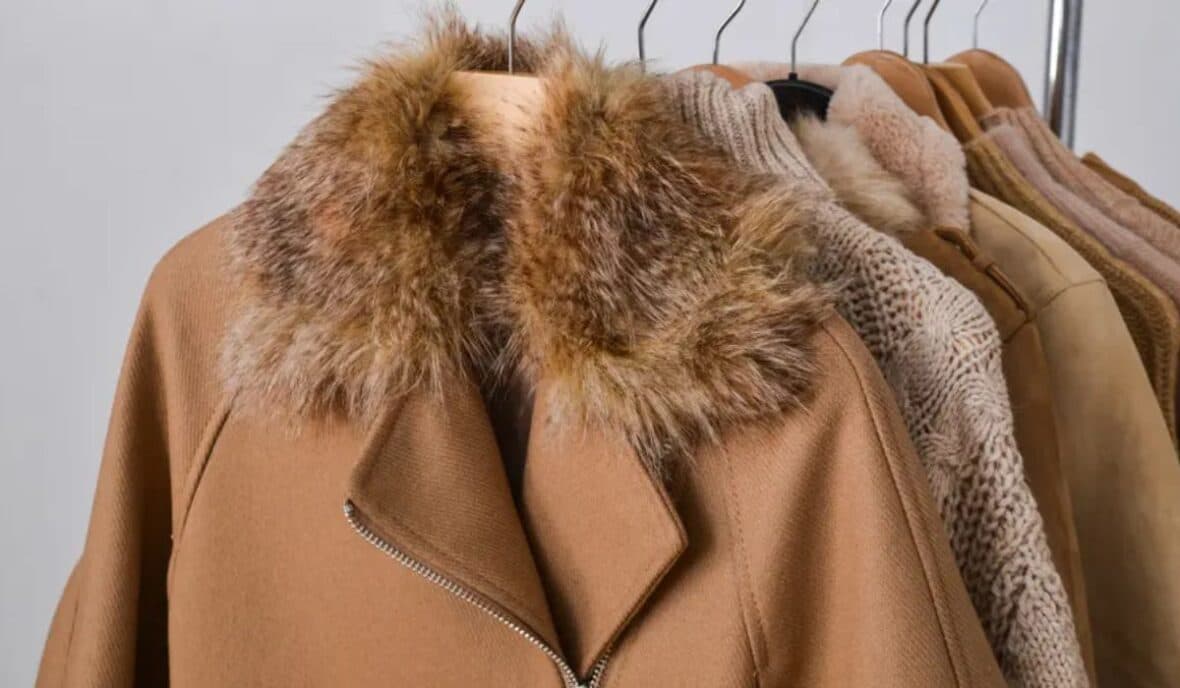
Fur, both faux and real, is a huge trend in fashion. Things like fur coats are worn as a fashionable sign of luxury. While fur coats are definitely warm, they are largely used as a fashion statement today.
The use of fur, however, dates back to prehistoric times. Paleolithic era humans wore fur in harsh climates to stay warm and protect themselves.
As time went on, the use of fur became a sign of nobility in places like Greece and Rome, where it was worn by warriors. China used fur ceremoniously, making it a powerful symbol instead of a mere coat.
Today, the status of fur has continued to grow. It is often worn as a sign of luxury and wealth, whereas simpler coats are widely used for warmth.
2. Eyeliner
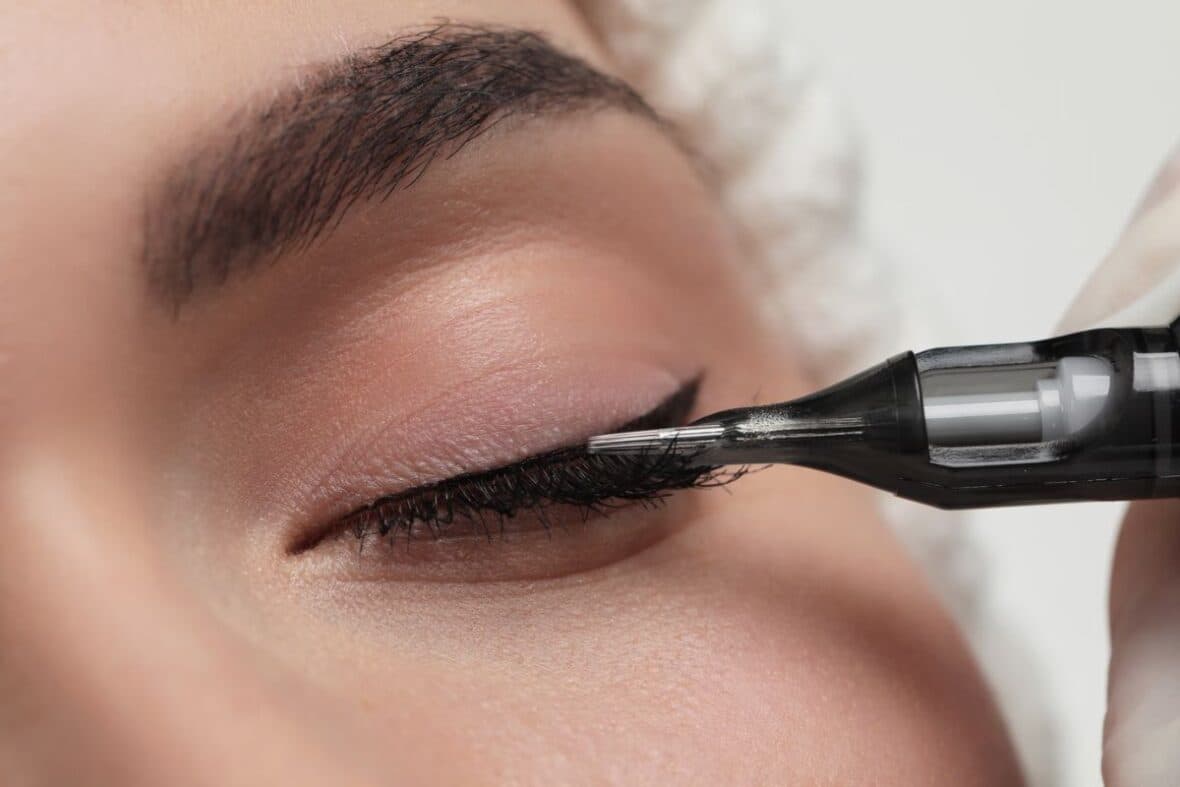
Before TikTok makeup trends and Sephora eyeliners, ancient Egyptians lined their eyes with Kohl. Kohl is made from lead sulfide, minerals, water, and oil or animal fat. Egyptians used it as we use eyeliner today: to accentuate eyes, fill in eyebrows, and to draw attention to one’s natural beauty.
Egyptians also used Kohl for its antibacterial properties, as well as reducing the glare of the sun (similar to how athletes wear eye black for sunny games today).
Kohl was worn by both men and women, and became a significant part of their culture. This trend was discovered through ancient Egyptian writings that highlighted its importance. Ultimately, this helped inspire the ever-growing eyeliner trend we see today.
1. Luxury Brands
During the Renaissance, there were several laws surrounding clothing. Laws were passed that restricted the fabrics and styles that lower-class citizens were allowed to wear. As a result, lower-class citizens would wear practical, simple outfits made of wool or sheepskin.
Upper-class citizens, however, were allowed to wear silk, velvet, and brocade. Often, these citizens would wear large, impractical outfits that they could not put on without assistance.
These laws were passed to distinguish the rich from the poor, but also to prevent the lower class from spending above their means. Breaking these laws was punishable by jail time.
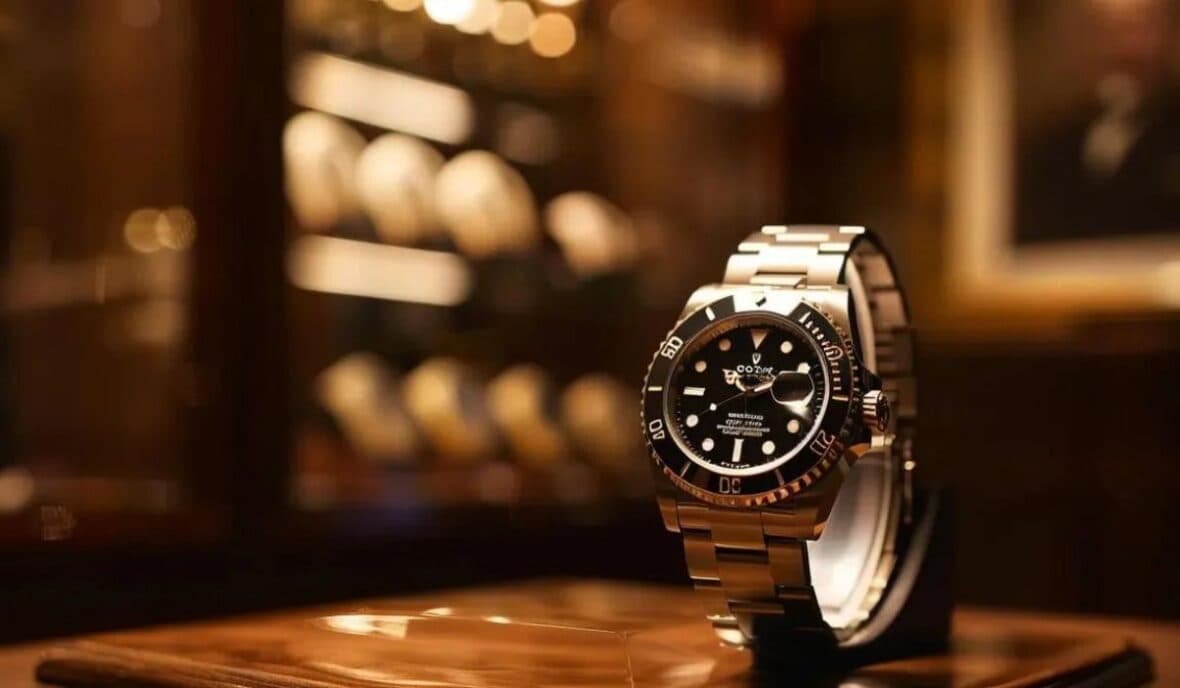
Today, although there are no fashion laws in place, luxury brands create the same effect. Upper-class people tend to wear Gucci or Louis Vuitton, while middle or lower-class people wear more practical outfits. Regardless of quality or comfort, certain brands and materials are seen as highly sought after compared to others.
The difference in practicality is also seen today. Red carpet celebrities show up with crazy, eye-catching looks. While other people may opt for a more comfortable or affordable outfit at a fancy event, these individuals are going for flair.