
 Duane Beckett
World War II needed more than riflemen, pilots, sailors, and tank crews. Behind the front lines, soldiers handled odd jobs that helped keep messages moving, crews trained, troops hidden, and radios working. The U.S. Department of War states that WWII included many military jobs that can seem strange by today’s standards, especially as technology was changing fast. Check out these five strange military jobs in World War II below.
Pigeon Trainer and Handler
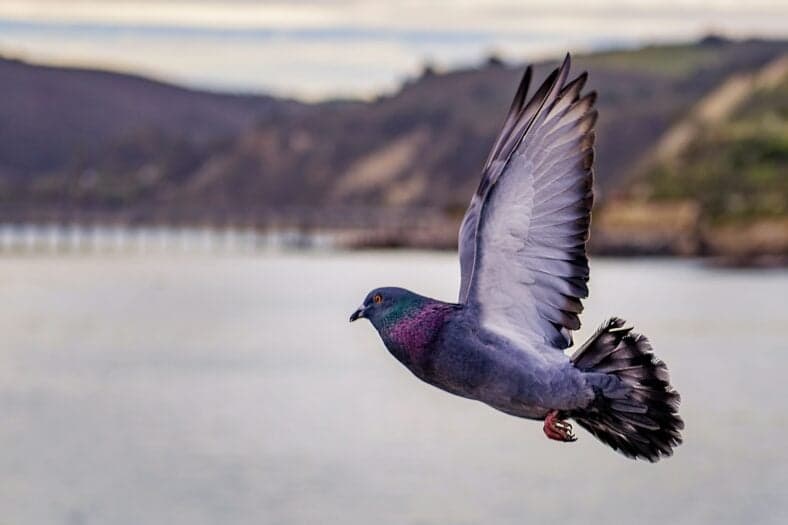
Pigeon handlers had one of the strangest communication jobs of World War II. These soldiers bred, trained, cared for, transported, and released homing pigeons that carried small messages back to military units. This was a time before Wi-Fi and satellites.
According to the U.S. Department of War, these troops were known as “pigeoneers,” and they were responsible for nearly every part of the birds’ lives.
These strange military jobs existed because radios could fail, be intercepted, or give away a position. Pigeons were harder to jam, and the U.S. Army Communications Electronics Museum put their message success rate above 90 percent.
Smoke Generator Operator
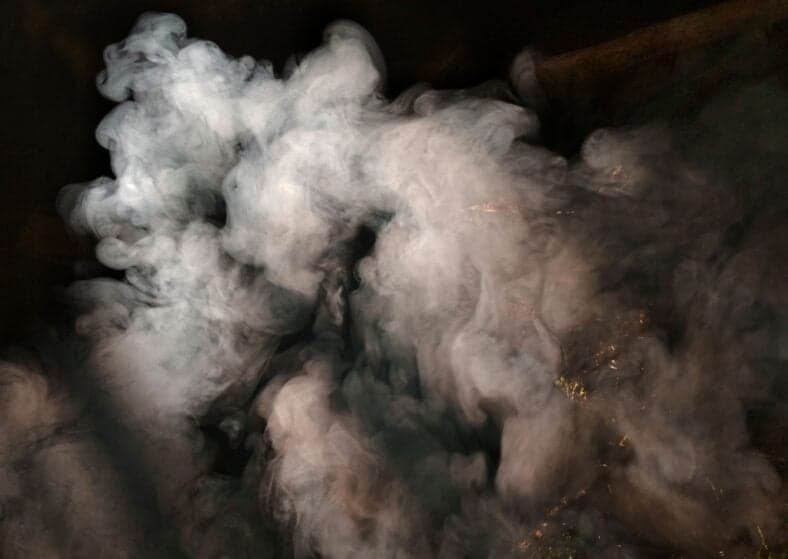
Smoke generator operators gave troops and ships a fighting chance at staying hidden. Their job was to maintain portable smoke generators, study the wind, and lay thick screens that could cover offensive moves or protect vulnerable positions.
Mental Floss reported that smoke screens were still a major part of World War II combat, especially at sea. That makes this job sound less like stage work and more like battlefield timing. If the smoke blew the wrong way, it could be useless. If it worked, enemy pilots, artillery spotters, and gunners had a much harder time seeing targets.
Link Celestial Navigation Trainer Operator

Link Celestial Navigation Trainer operators worked with one of the more futuristic training tools of the war. They helped run a simulator that taught aviation crews how to navigate using stars, projected skies, flight conditions, and controlled training scenarios.
Mental Floss described the Celestial Navigation Trainer as a flight simulator housed in an air-conditioned silo, with projected stars above and terrain below. It sounds like an early cousin of simulation gaming, only the goal was survival, not a high score.
The job existed because bomber crews and long-range flyers needed practice before facing real missions over open water or hostile territory.
Playwright
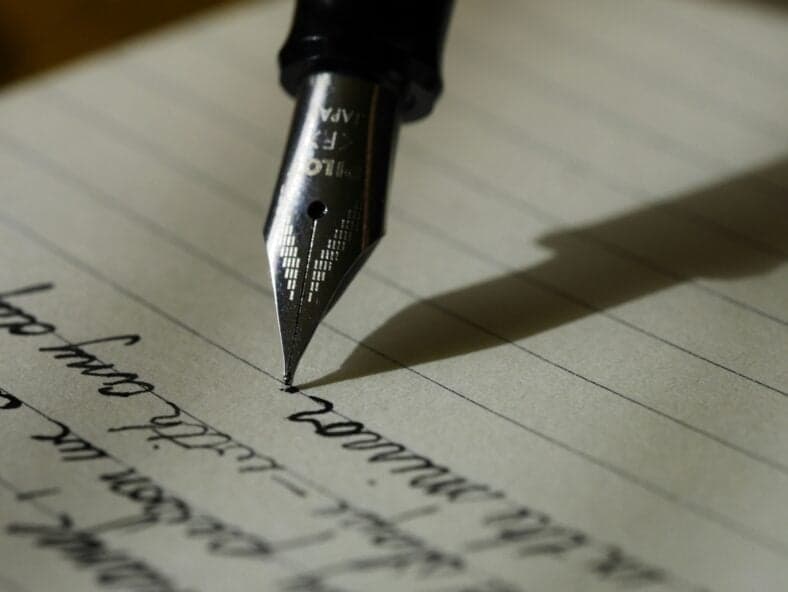
Amazingly, the playwright was a real U.S. military classification during World War II. Soldiers in this role wrote scripts, stage material, training pieces, and other content that could be used for instruction, morale, or military messaging.
Even more amazing is that this small group had some huge names attached to it, including Stan Lee, Frank Capra, William Saroyan, and Theodore Geisel, better known as Dr. Seuss. Not a bad creative room.
Mental Floss found that the role required civilian experience writing or adapting scripts for radio, stage, or motion pictures. The Army needed this because stories, skits, and films could teach lessons faster than dry instructions ever could.
Crystal Grinder (Radio Technician Specialty)

Crystal grinders had a tiny job but with huge importance. These soldiers ground and calibrated crystals so radios could pick up specific frequencies. It took precision, patience, and a great understanding of radio equipment.
Information from the U.S. Department of War shows that many WWII radios still required crystals, often galena, to operate. Crystal grinders worked those crystals so they could tune to the right frequency.
We Are The Mighty states that soldiers hand-ground crystals to the right size and shape, then helped calibrate the radios. The job existed because wartime communication had to work in the field, and waiting on replacement parts wasn’t realistic.