
 Duane Beckett
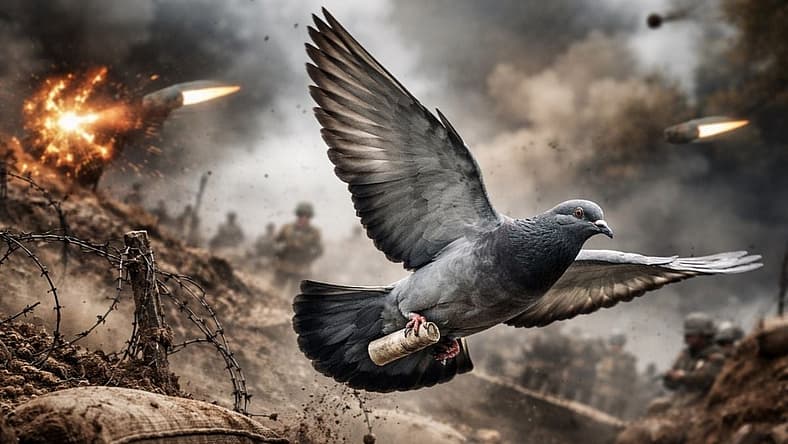
Animals have played a bigger role in American military history than many people realize. In some of the most dangerous moments, they carried messages, found hidden explosives, spotted threats, and helped save lives.
These five stories show how pigeons, dogs, and even dolphins made a real difference when the stakes were highest.
Cher Ami pigeon saved the Lost Battalion, October 4, 1918
Pinned down in the Argonne, American troops from the 77th Division were surrounded, cut off, and taking deadly fire from their own side.
According to the U.S. World War I Centennial Commission, Cher Ami carried a desperate message 25 miles through German fire after being badly wounded. That message helped stop the shelling aimed at the trapped unit.
Relief did not come instantly, but the change mattered, and survivors were pulled out days later. For a tiny bird, that was a massive battlefield swing.
Sergeant Stubby helped catch a German spy, 1918
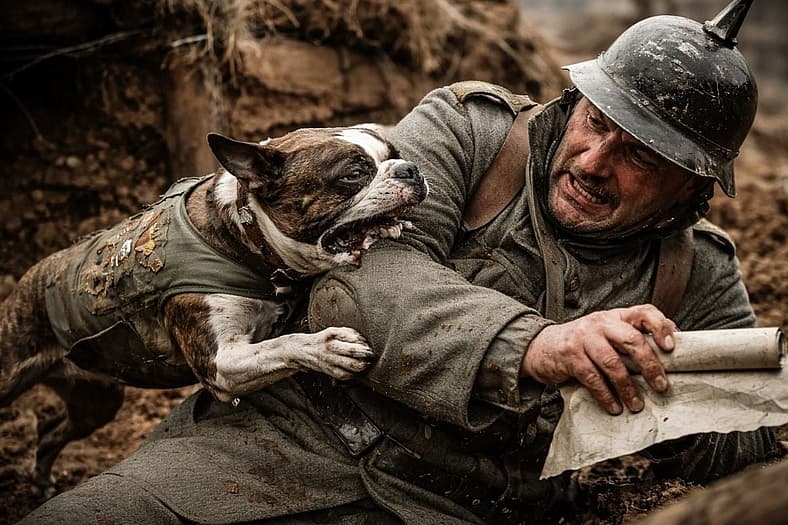
The Smithsonian reports that Stubby, the stray dog did far more than boost morale. The dog warned troops about gas, helped find wounded soldiers, and later caught a German spy trying to map Allied trenches, holding him until American troops arrived.
That act alone helped cement Stubby’s legend and his unofficial promotion to sergeant.
On April 20, 1918, he was badly hurt by shrapnel at Seicheprey, which shows how close he lived to the fighting. For many soldiers, Stubby was not a mascot. He was back up.
Lucca the bomb sniffing dog found IEDs in Afghanistan, March 23, 2012
The PDSA says that Lucca completed 400 missions over six years, working Iraq and Afghanistan patrols where one missed explosive could wipe out a unit in seconds.
She was trained to detect munitions and move ahead of troops, which is about as dangerous as it sounds. On her final patrol, March 23, 2012, an IED detonated beneath her and she lost a leg.
The PDSA states there were no human casualties on her patrols, and later accounts credited her with at least 40 confirmed finds. A tough dog and incredible service.
U.S. Navy dolphins detected mines in the Persian Gulf, October 13, 1987
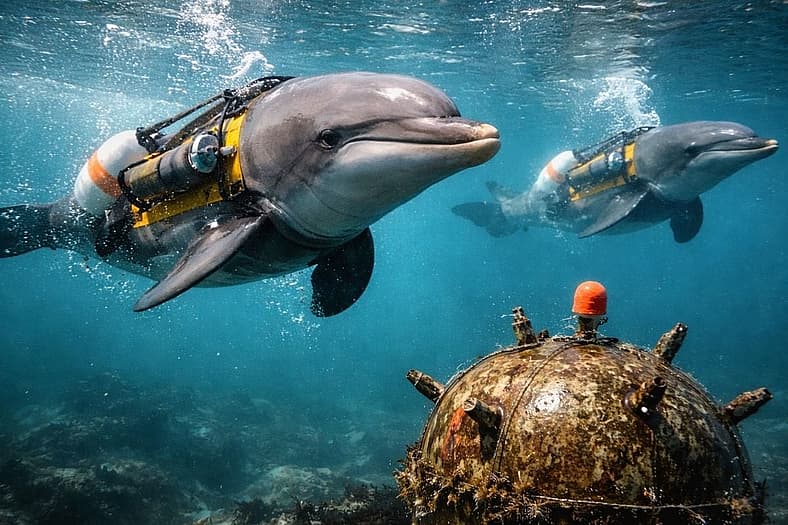
The Los Angeles Times reported that five trained dolphins arrived in the Persian Gulf on October 13, 1987, to help U.S. forces search for underwater mines.
The Pentagon said they were there to provide underwater surveillance and detection capability, and one official said the animals had been trained to spot the round spiked mines threatening shipping.
Information from the Naval Undersea Museum shows mine detecting dolphins use biological sonar to find and mark explosive mines that are difficult for human systems to catch. It sounds like a bad movie plot, but it’s real.
G.I. Joe pigeon prevented a bombing of Calvi Vecchia, October 18, 1943
The PDSA writes that G.I. Joe made one of the most remarkable flights by a U.S. Army pigeon in World War II. As Allied forces moved faster than expected into Calvi Vecchia, a planned air attack was still set to hit the village. Radio contact failed, so the warning had to go by bird.
G.I. Joe flew 20 miles in 20 minutes and reached Allied lines just as the bombers were preparing to take off. His message stopped the strike in time, saving at least 100 Allied soldiers and countless civilians from friendly fire