
 Duane Beckett

When it comes to strange disappearances, we’ve skipped the usual names like Jimmy Hoffa, Amelia Earhart, and D.B. Cooper. Instead, we’re looking at cases where the person who vanished left behind records, letters, court details, newspaper coverage, and unanswered questions.
These five disappearances still bother sleuths and historians because each case has enough evidence to build a theory, but not enough to close the book.
William Morgan, Anti-Mason Whistleblower (1826)
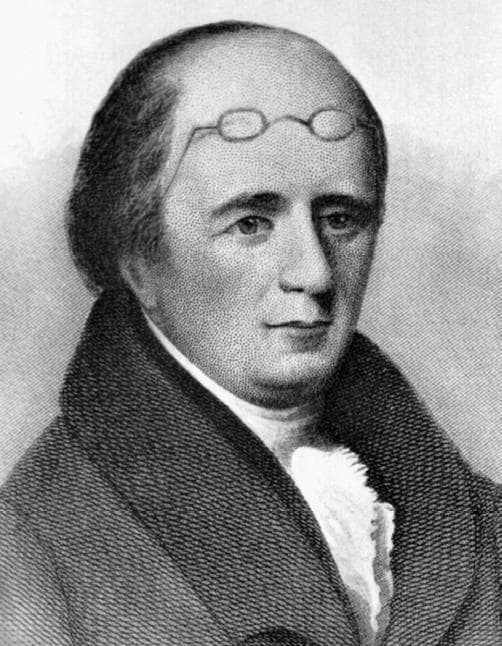
William Morgan disappeared in September 1826 after announcing plans to publish a book exposing Freemason secrets.
The Smithsonian Magazine reported that no body and no confession meant no murder trial, even though his disappearance fueled public outrage and helped inspire the Anti-Masonic Party.
Britannica states that the movement spread after no trace of Morgan could be found. That’s the strange part. A kidnapping was public enough to produce convictions, yet the final act stayed hidden.
Current thinking usually points to murder near the Niagara River, though a Masonic account claims he was paid $500 and given a horse to vanish into Canada.
Solomon Northup, Author of Twelve Years a Slave (After 1857)
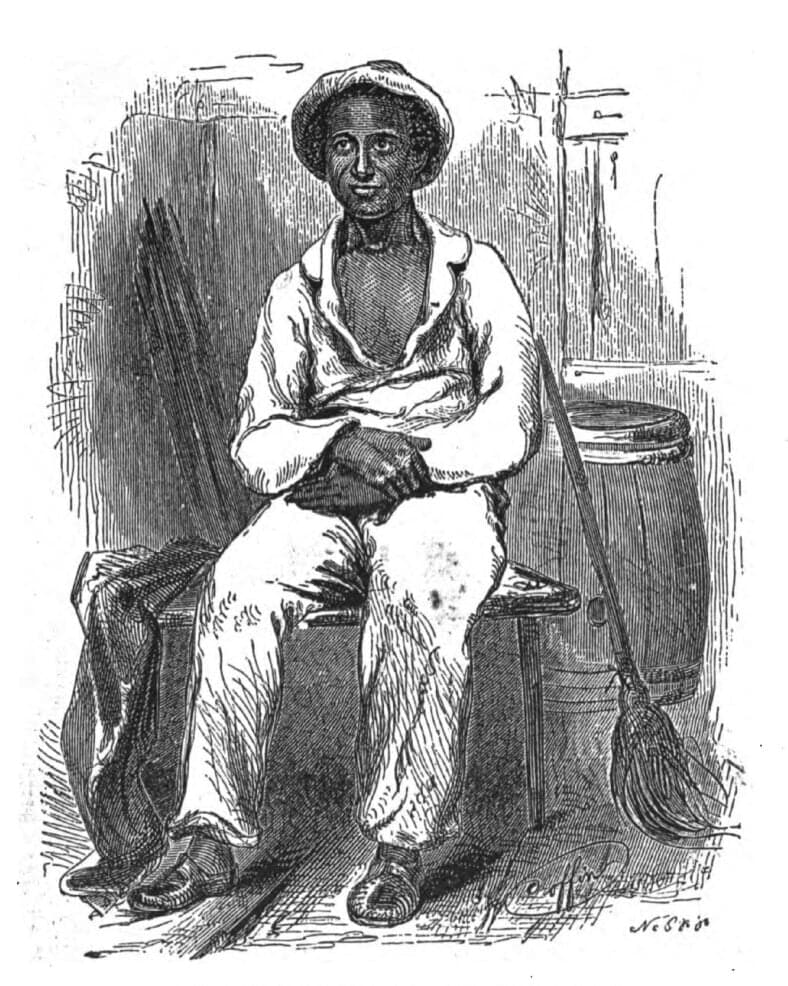
Solomon Northup, the free Black New Yorker whose memoir Twelve Years a Slave became a major abolitionist document, vanished from public record after 1857.
According to Britannica, Northup toured as a national celebrity from 1853 to 1857, then disappeared from public view, with his death date, death circumstances, and burial place still unknown.
Heritage Mississauga states that he was in Streetsville, Ontario, in August 1857, where a hostile reception stopped his scheduled talk. I find this one especially chilling. A man once kidnapped into slavery simply drops out of history.
Current thinking ranges from quiet death to Underground Railroad work, but the silence still puzzles historians.
The Sodder Children (1945)
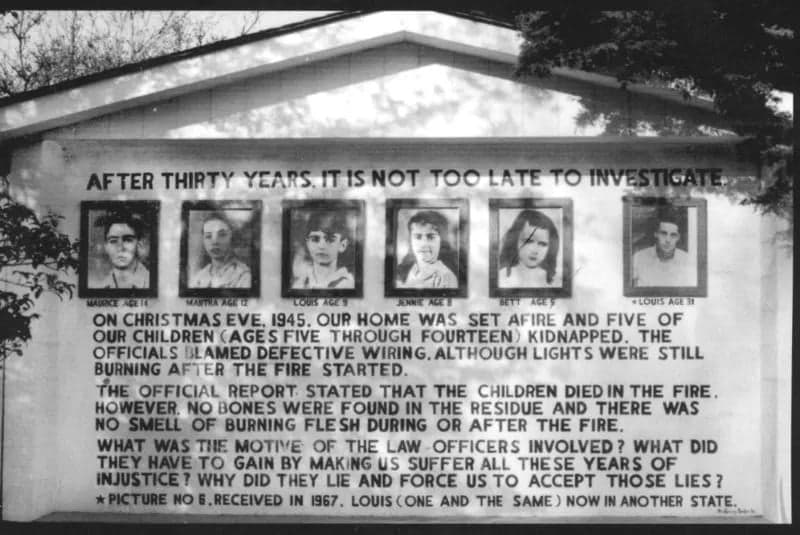
Five Sodder children- Maurice, Martha, Louis, Jennie, and Betty- disappeared after their family home burned in Fayetteville, West Virginia, on Christmas Eve 1945.
The Independent reported that the parents and four siblings escaped, but the five children and their remains were never found. The Smithsonian Magazine found that a missing ladder, vehicles that would not start, no human remains, and later sightings kept the family from accepting the official fire-death explanation.
Current thinking remains split. Authorities leaned toward death by fire, while the family believed abduction was possible, maybe tied to threats against George Sodder over his anti-Mussolini views.
Everett Ruess, Young Artist and Wanderer (1934)
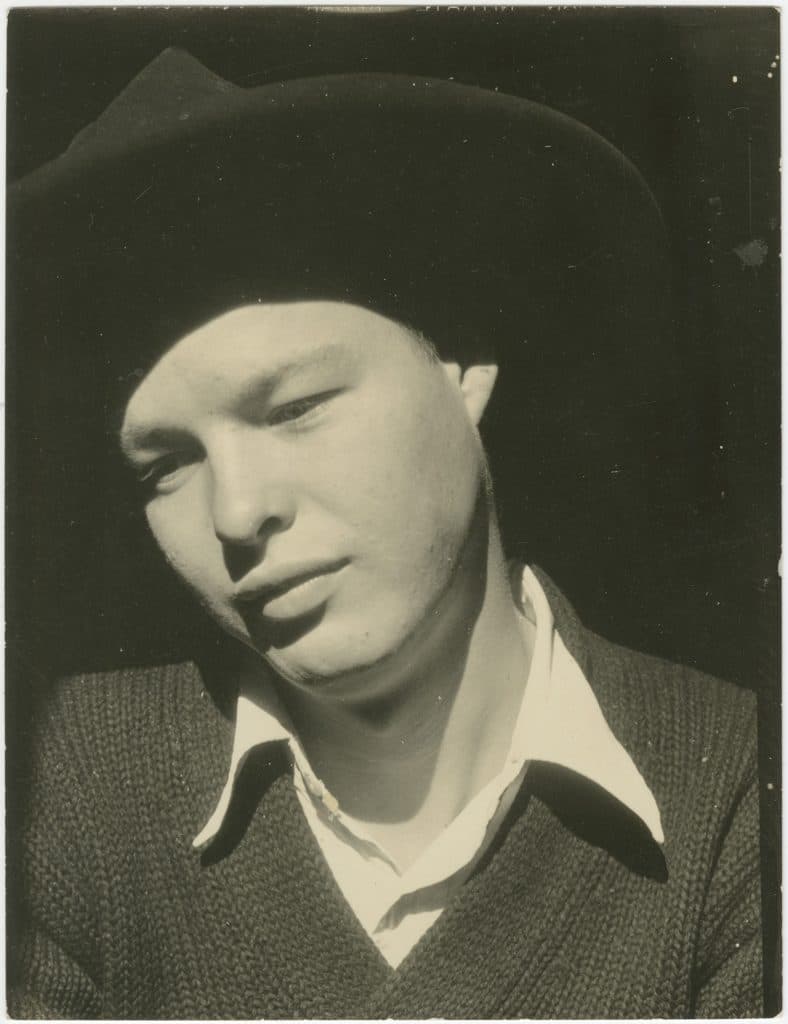
Everett Ruess was 20 when he headed into the Utah desert in November 1934 with two donkeys and never returned.
Information from Utah’s Bureau of Criminal Identification shows his case is still listed as unsolved. His donkeys were later found near Davis Gulch, along with a corral and the inscription “NEMO Nov 1934.”
Smithsonian Magazine reported that the remains once thought to be Ruess’s were later ruled out by a U.S. military lab. That twist feels like finding a rare collectible, then learning it’s a fake.
Current thinking includes a fall, flash flood, murder, or a chosen disappearance, but no confirmed trace of Ruess has ever settled it.
Ambrose Bierce, Writer and War Correspondent (1913-14)

Ambrose Bierce, author of The Devil’s Dictionary and a Civil War veteran, disappeared after traveling toward revolutionary Mexico in late 1913.
Outside Online stated that Craig Warren of the Ambrose Bierce Project said, “We simply don’t know what happened.” One theory has Bierce dying in Mexico from violence, wounds, or illness. Another, pushed by investigator Joe Nickell, says Mexico was a misdirection, and Bierce chose a hidden death near the Grand Canyon. The Skeptical Inquirer found that the U.S. government could not confirm he crossed into Mexico. A famous writer, no body found, and no confirmed last stop. That’s why this and many other strange disappearances continue to intrigue sleuths.