
 Duane Beckett

The world’s most famous explorers are remembered for maps, ships, and big discoveries. Their bizarre explorer stories often sit off to the side, from forgotten companions to mysterious deaths and other odd details. These are the moments that make history feel less like a dusty textbook and more like a lost episode of The Twilight Zone.
Christopher Columbus Faked a Miracle to Survive
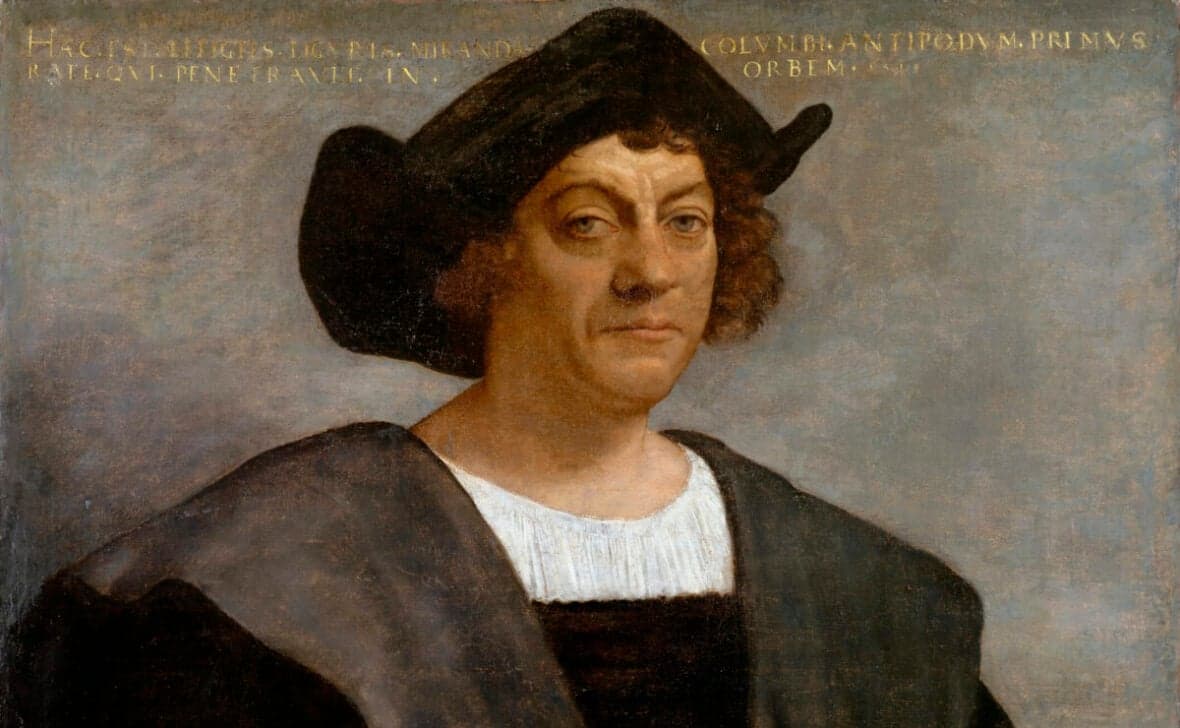
Christopher Columbus is best known for his 1492 voyage that opened the Americas to lasting European contact, though he also had some bizarre explorer stories. Years later, in 1504, he was stranded in Jamaica during his fourth voyage and needed food from the local Arawak people.
Space.com reported that Columbus used an astronomical almanac to predict a lunar eclipse, then warned that his God was angry when the moon darkened.
The really strange part was the stagecraft. He timed the eclipse from his cabin with an hourglass, then came out at the right moment to “forgive” them. It was a survival move based on science, which makes it all the more impressive.
Henry Hudson Was Set Adrift by His Own Crew and Vanished Forever
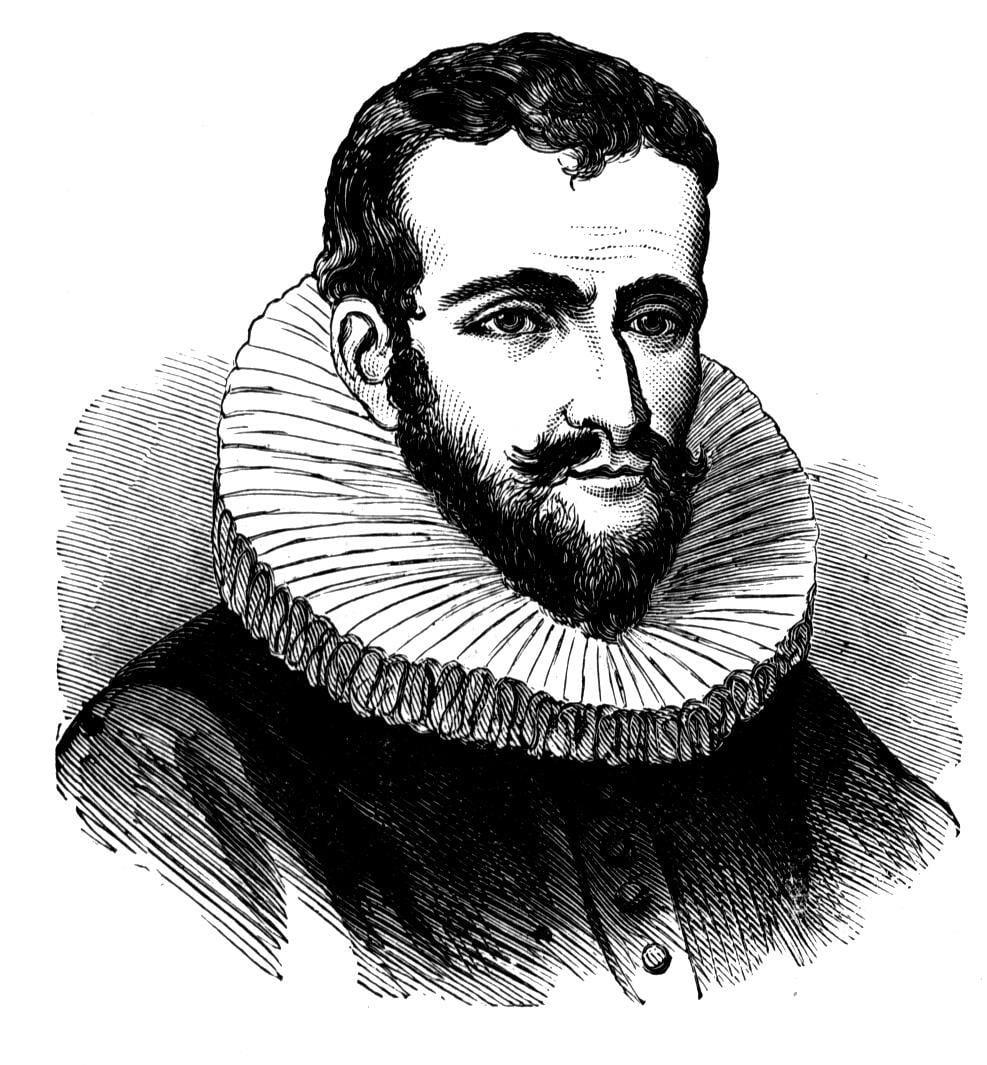
Henry Hudson was the English explorer tied to the Hudson River, Hudson Strait, and Hudson Bay. He was searching for a northern route to Asia, but his final voyage turned into one of exploration’s creepiest disappearances.
According to Britannica, Hudson’s crew mutinied after a miserable Arctic winter and set him, his son, and seven others adrift in a small boat in June 1611. They were never heard from again.
History.com states the crew later returned to England and was arrested, but Hudson himself simply vanished from the record. No body was ever recovered.
Meriwether Lewis Died Under Deeply Suspicious Circumstances
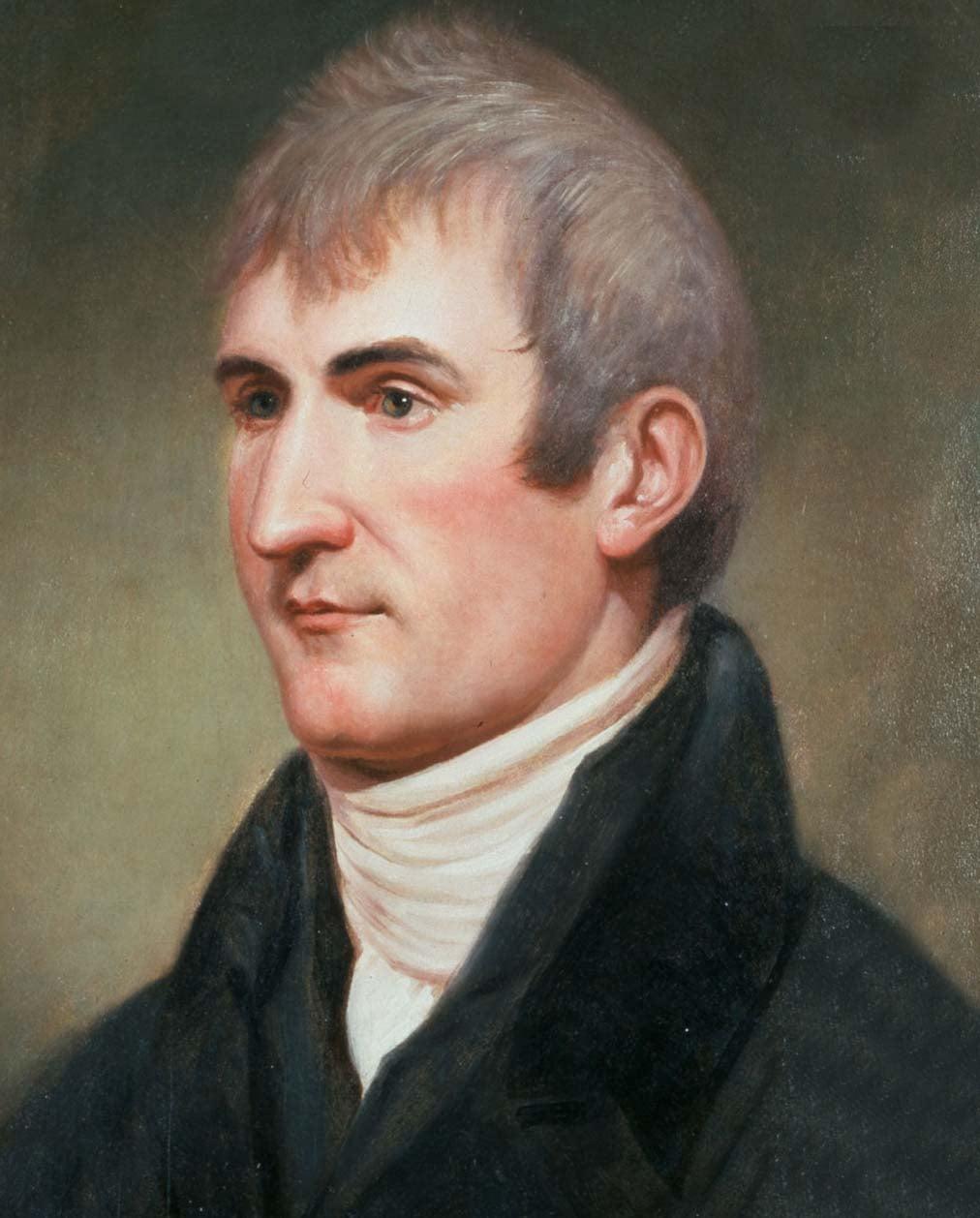
Meriwether Lewis helped lead the Lewis and Clark Expedition, which crossed the Louisiana Purchase territory and reached the Pacific. That alone makes him a huge figure in American history. His death, though, still feels unsettled.
Lewis-clark.org states that Lewis died in 1809 at Grinder’s Stand, a Tennessee inn on the Natchez Trace, from gunshot wounds. Some believed it was suicide. Others, including members of his family, argued he was murdered.
Theories include robbery gone wrong, political enemies, and even the corrupt General James Wilkinson. For a man who survived the Wild West, dying mysteriously at 35 in a roadside cabin is a grim final chapter.
Sacagawea Completed a 4,000-Mile Trek While Caring for a Newborn
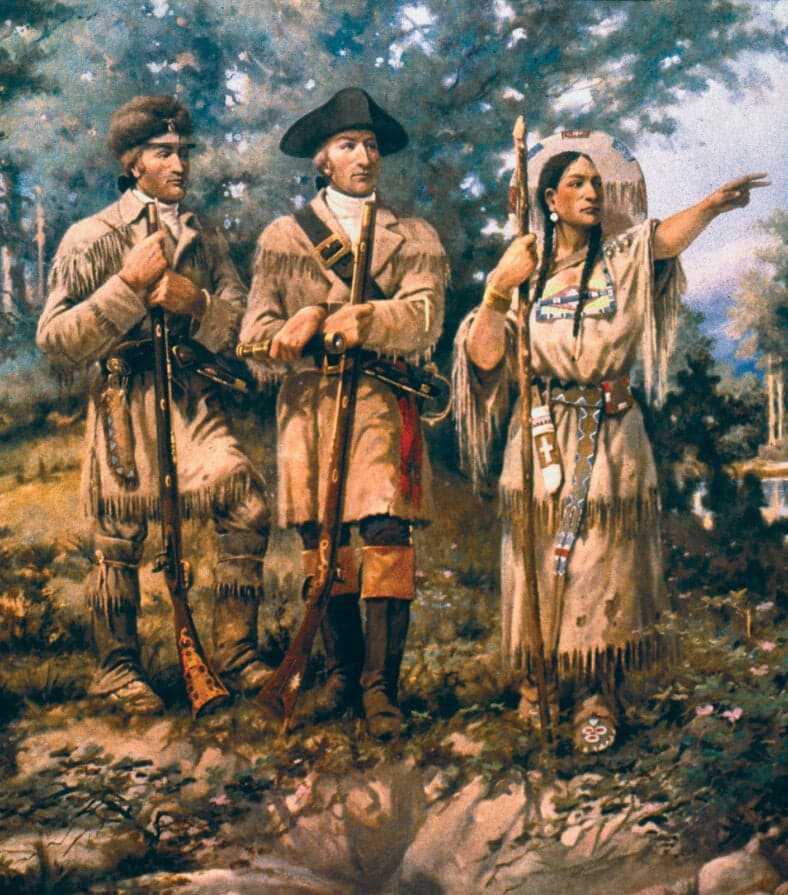
Sacagawea was the Shoshone interpreter and guide who helped Lewis and Clark move through the American West. She joined the Corps of Discovery while living among the Mandan and Hidatsa in what is now North Dakota.
According to the National Park Service, Sacagawea gave birth to Jean Baptiste Charbonneau on February 11, 1805. Soon after, she traveled with the expedition while caring for him. The National Park Service also states that she had been taken from her Lemhi Shoshone people as a child, then later reunited with relatives during the journey. Her brother, Cameahwait, helped provide horses. That’s the kind of plot twist even the Twilight Zone would respect.
Francisco Vázquez de Coronado Searched the American Southwest for Cities of Gold and Found Kansas
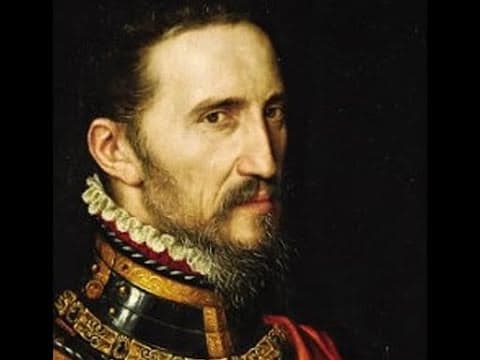
Francisco Vásquez de Coronado led a major Spanish expedition from 1540 to 1542 through parts of what are now Arizona, New Mexico, Texas, Oklahoma, and Kansas. He was chasing the legendary Seven Cities of Cíbola, which were rumored to be packed with gold.
According to the National Park Service, Coronado reached Háwikuh in present-day New Mexico and found nothing but major disappointments. Later, his party pushed toward Quivira near modern-day Salina, Kansas, and came up empty again. The Britannica Encyclopedia states that Coronado explored major landmarks but failed to find the treasure he wanted. That’s a long, brutal road trip for no jackpot.