
 Amelia Andriacco

When people have a favorite period in history, it is often based on the way Hollywood portrays it. We see knights in shining armor and thieving pirates — but how much of it is accurate? It can be easy to forget that these lovable characters represent real historical groups of people. The way they really lived is often very different from the way it is portrayed on the big screen. Here are a few things Hollywood got wrong about history.
6. Vikings
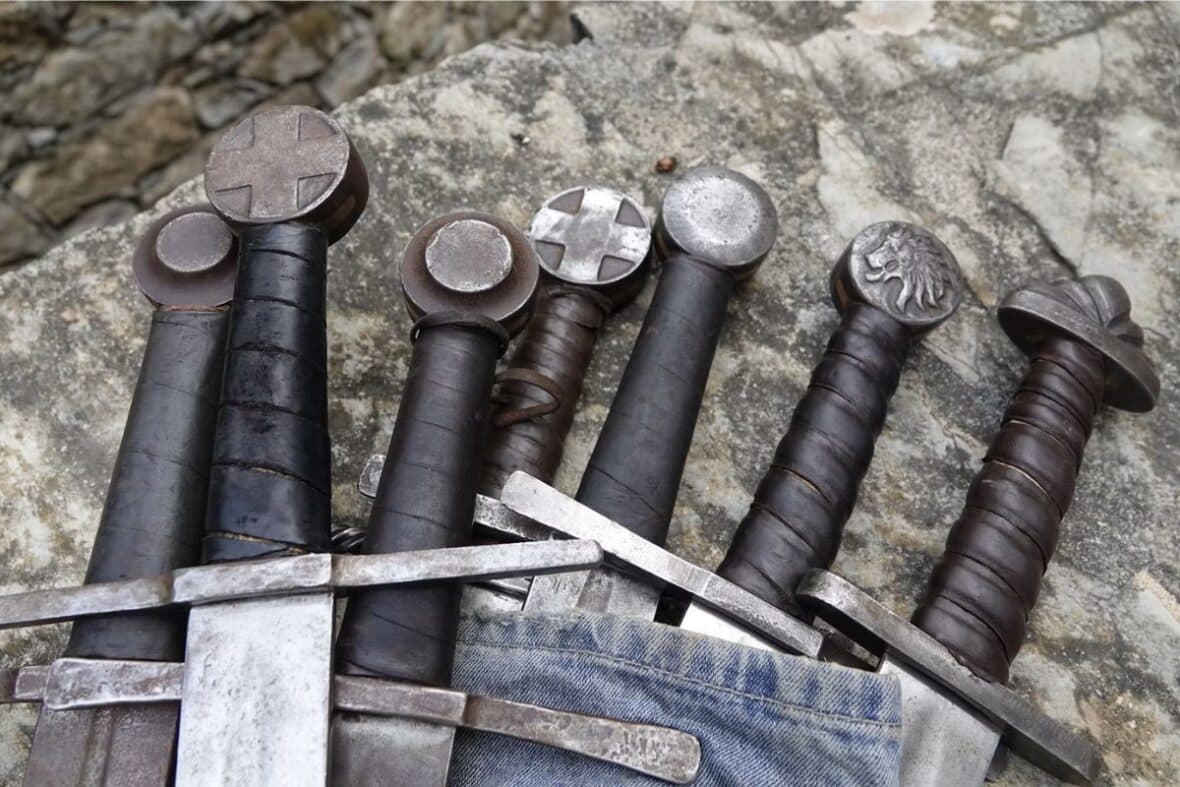
In Hollywood, Vikings are often portrayed as an aggressive society that is constantly seeking out a fight. They are seen as dirty, barbaric creatures constantly raiding other civilizations and declaring war. Oftentimes, they are seen wearing the iconic horned hat and fur outfits as their everyday wardrobe. However, there is much more to this society than Hollywood leads us to believe.
While there were Vikings who went on raids, many Vikings owned farms or worked as artisans. They provided food through farming, raising animals, hunting, and fishing. Their communities had town squares and temples that assisted in creating the culture and community they had.
Another surprising fact is that Vikings actually had very good hygiene for their time. They used soap, combs, razors, and tweezers to keep themselves clean and well-groomed.
While Vikings did raid and take prisoners, there is a lot more to their culture than meets the eye. They lived for a higher purpose–starting as Pagans and later converting to Christianity–and created a culture for their people to enjoy. They were not just bloodthirsty madmen, but people with a desire to protect their community and help it grow into something greater.
5. Pirates

Pirates are best known for finding hidden treasure from ancient maps and sword-fighting their way out of trouble. When they encounter an enemy — or feel betrayed by one of their own–those people are forced to walk the plank. However, pirates are more reliable and community-driven than one might think.
Pirates outlined the rights and responsibilities they wanted each person to have. When it came to upholding their rules, they turned to their democratically elected leader. Their form of democracy, complex social structure, and conflict resolution are often overlooked in the media. They trusted one another to uphold the societal norms that they agreed upon.
When it comes to walking the plank, this was not the typical punishment pirates would endure. There are very few documented cases of this happening, but not nearly enough to be considered a regular or normal practice. The ones that are recorded are often thought to have been exaggerated over time.
Though pirates are famous for finding (and hiding) buried treasure, this was a very rare occurrence. Most pirates spent their money very quickly, making it rare for them to bury it. They often acquired their loot by ransom or by looting merchant ships with valuable goods. All of the profit was divided among the ship members.
4. Knights
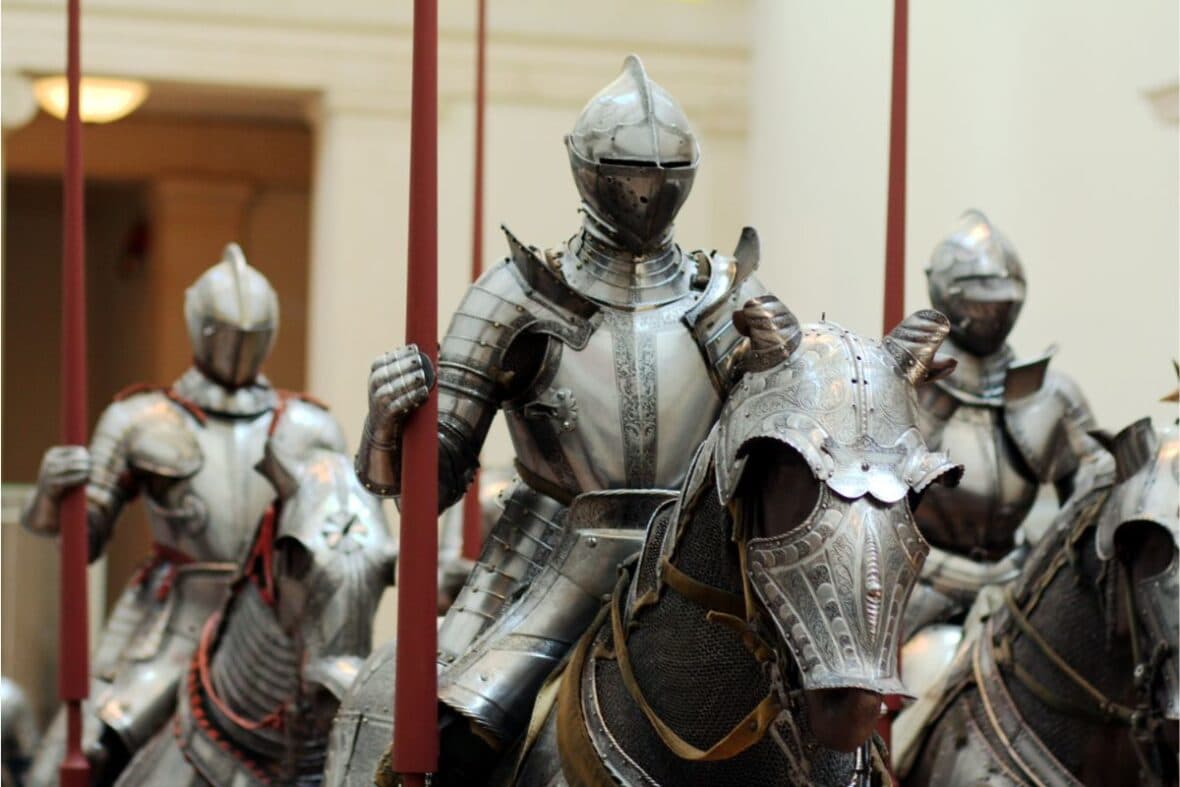
Knights are almost always portrayed as noble fighters romantically saving a damsel in distress. In some portrayals, someone can be dubbed a knight after a heroic act. This, however, is very different from what true knighthood looked like.
Becoming a knight was a very difficult process. It involved leaving one’s family at seven years old to learn the necessary skills. Manners, horse handling, and combat were all taught to aspiring knights. It was a long, grueling process that many people did not complete. Many were killed or injured in training, while others were simply too poor to afford the expensive armor.
While many people dream of their “knight in shining armor,” the armor was far less glamorous than it seemed. It was extremely heavy, with some types of armor reaching 50 kg (about 110 pounds). Knights dealt with sweat, body odor, and their own excrement within their suits of armor.
Even if riding into battle was as glamorous as it seemed, that was not how knights spent all their time. They acted as political advisors, managed land, and practiced Christianity. Some knights even joined a religious military order, committing to a life of poverty, chastity, and obedience. These knights did not pursue fair maidens and live a life of luxury, as some stereotypes suggest. Overall, there was a lot more to life as a knight than Hollywood portrays.
3. Gladiators
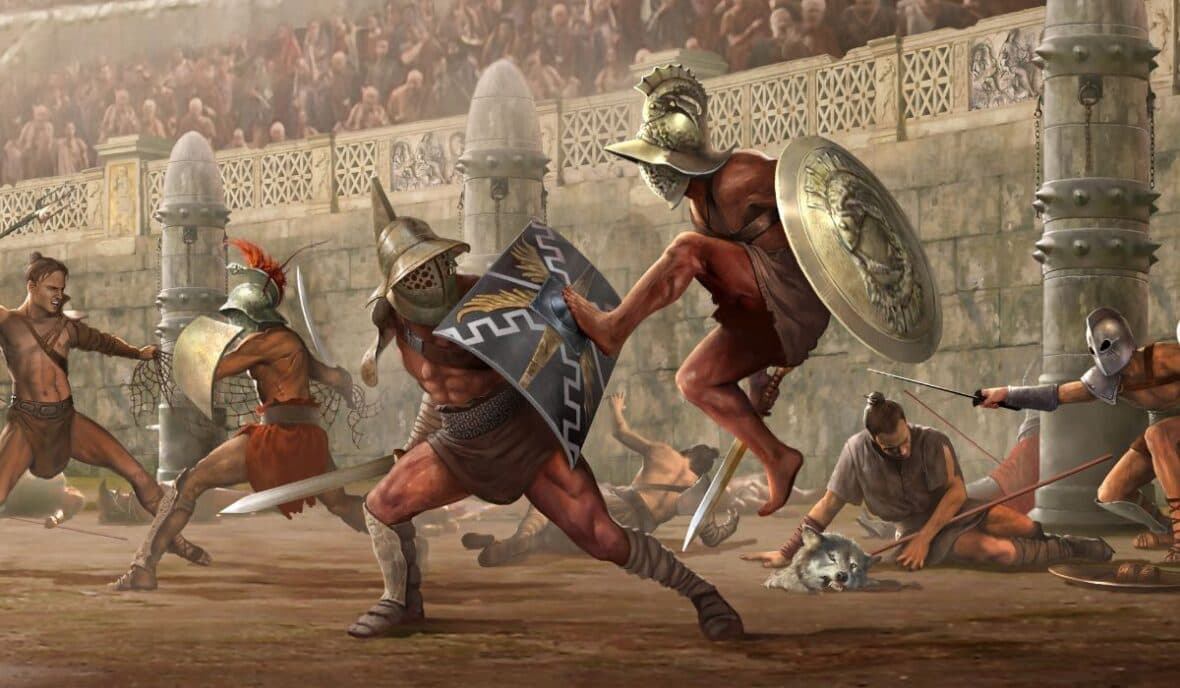
Being a Gladiator has been portrayed as a negative thing in the media. In Hollywood, all gladiators, prisoners of war, and low-class citizens are very spontaneous. They rush into battle at any given moment, always fighting to the death.
Many gladiators entered the space freely and willingly. They studied at gladiator schools, trained, and prepared themselves for fighting. Being a gladiator–especially a good one — could result in fame and riches.
When gladiators did march into battle, it was usually strategic and organized. Fights were not random or “to the death,” but planned strategically based on their years of training.
2. Native Americans
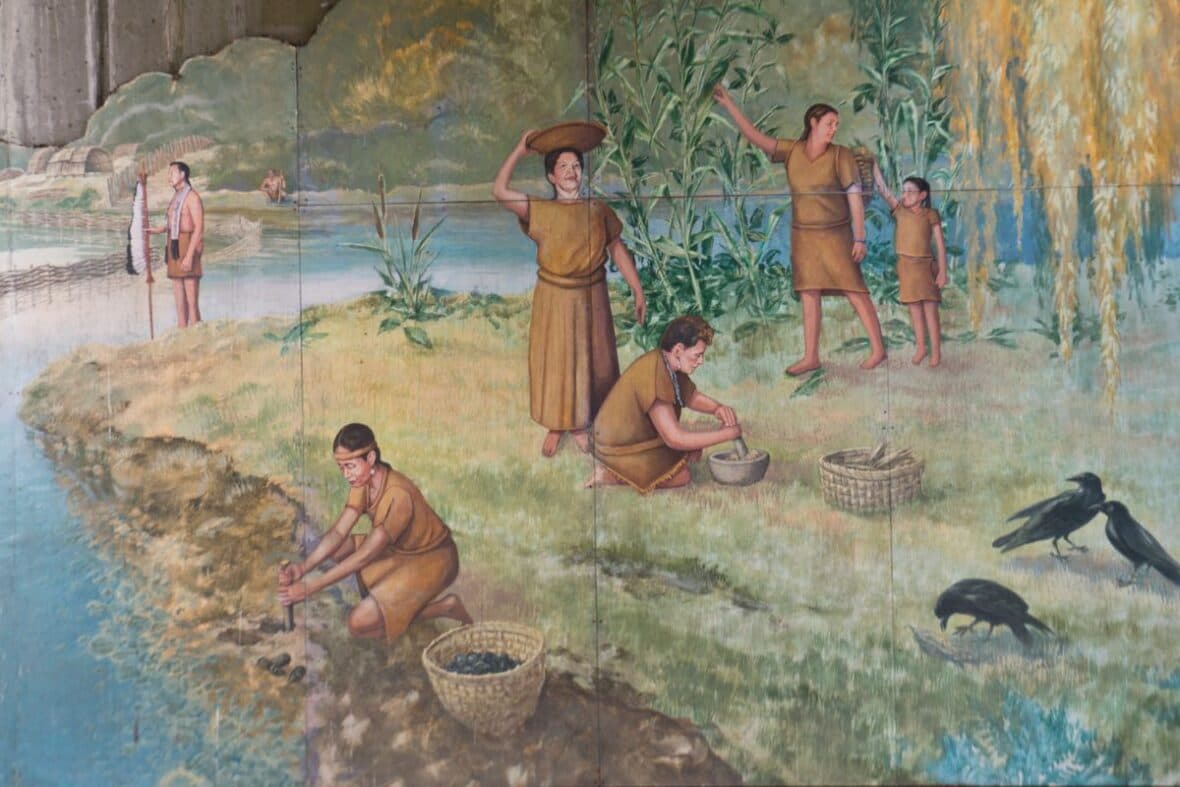
Native Americans are often portrayed as a smaller group with few tribes, one shared culture, and simple lives living in teepees. However, life for this group of people was a lot more complex than Hollywood has led us to believe.
Before America was discovered by Christopher Columbus, it is estimated that about 10 million Native people lived in the area that would become the United States. These tribes were not small groups scraping by, but societies of people with complex yet unique cultures. Hollywood has developed a simplified, inaccurate version of Native American culture that ignores the true diversity and culture of these groups.
While some cultures lived in teepees, many did not. Many lived in more permanent homes called pueblos, which were made of stone and adobe. Some lived in temporary housing called wikiups, while others lived in dome-shaped houses. Housing, culture, and clothing depended on the climate they lived in. Some lived as hunter-gatherers, while others primarily grew their own food.
Though they often practice togetherness and spirituality, Native Americans were not simply “one people.” They were diverse groups that adapted to the world around them to survive and thrive.
1. American Colonists
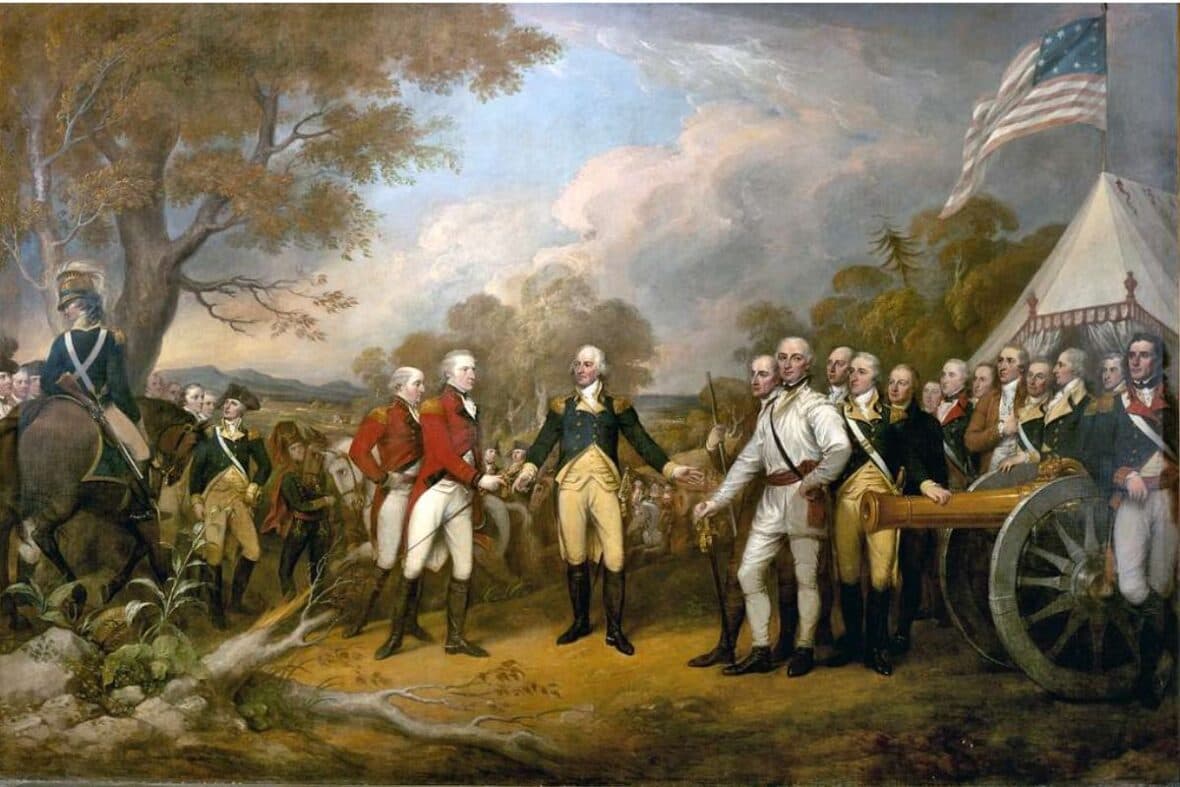
When portraying the American Revolution, Hollywood often showcases colonists as being united in patriotism. However, not everyone sought independence from Britain. The colonies were made up of Patriots, who sought independence; loyalists, who remained loyal to the British government; and fence-sitters, who remained neutral. In fact, fence-sitters were thought to have been the largest of the three groups. In the end, the patriots were able to persuade enough fence-sitters to join their cause.
However, the division within the colonies was still strong, even with more patriots. In fact, Benjamin Franklin’s own son William, was a British supporter during the war.
After the patriot victory, about 80,000 loyalists fled to Canada or Britain. They were often seen as traitors to the American people, though they simply wanted to maintain the lifestyle they had always lived.