
 Amelia Andriacco
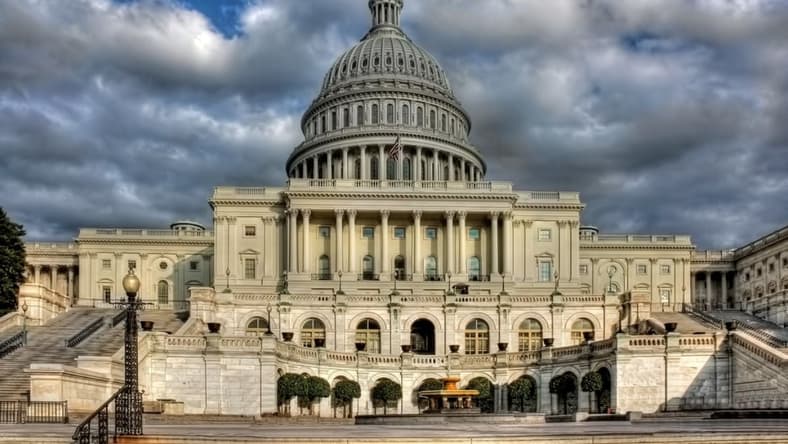
The U.S. government has been well-established for several centuries. Things like elections and Supreme Court cases are second-nature to us, and simply part of our year-to-year lives. However, the government did not always operate like this. It took time and trial and error to figure out the system we use today. Here are 6 surprising facts about how the U.S. government got started.
6. The Constitution Was Created in Secret
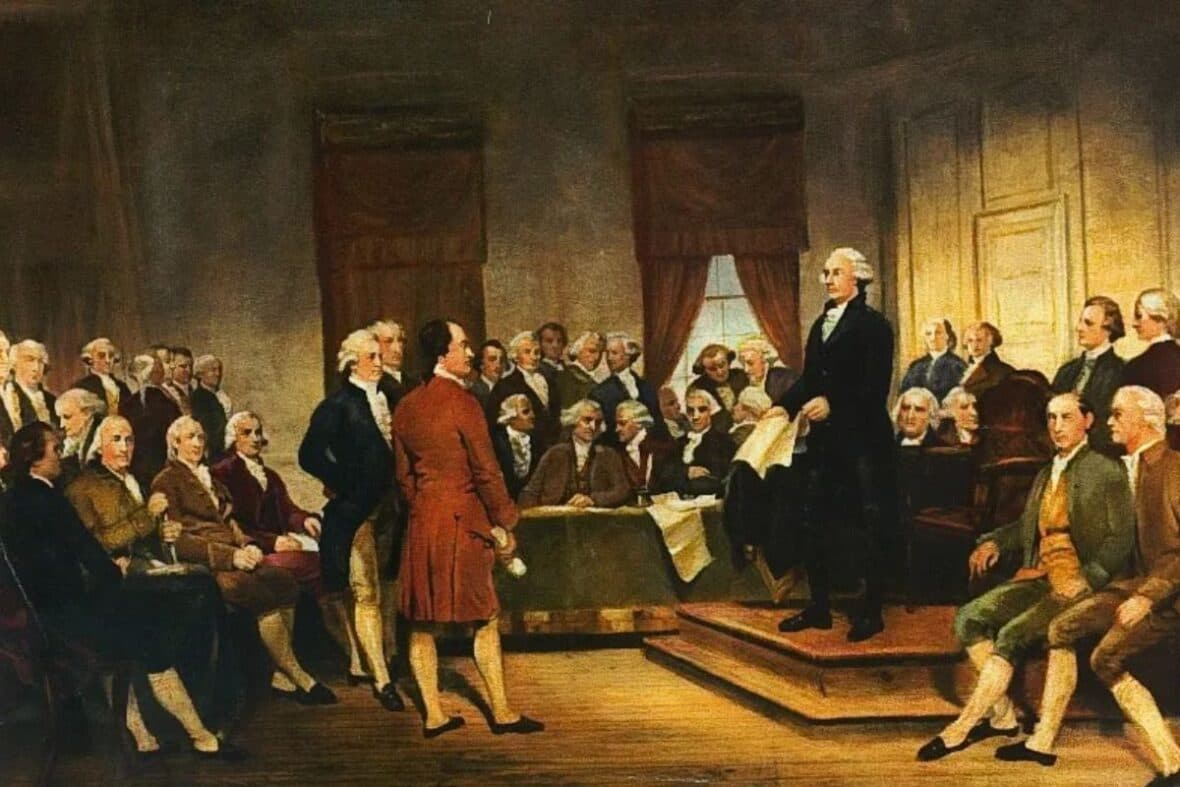
During the first years of the United States, they only operated under the Articles of Confederation. The articles kept the central government weak which led to a failure in the arrangement. They hosted a gathering in Philadelphia for the “sole and express purpose of revising the Articles of Confederation.”
This meeting, though it was intended for revision, turned into a Constitutional Convention. To avoid public backlash, their work remained secret until the Constitution was complete. This allowed delegates to debate freely and openly with the ability to change their minds. The Constitution required tough compromises and protection from outside pressure. Keeping it a secret was the best way to ensure these requirements were met.
The secrecy was taken extremely seriously. Armed sentinels kept the Pennsylvania State House secure, while windows were kept shut in the summer heat.
5. Political Parties Were Not Expected
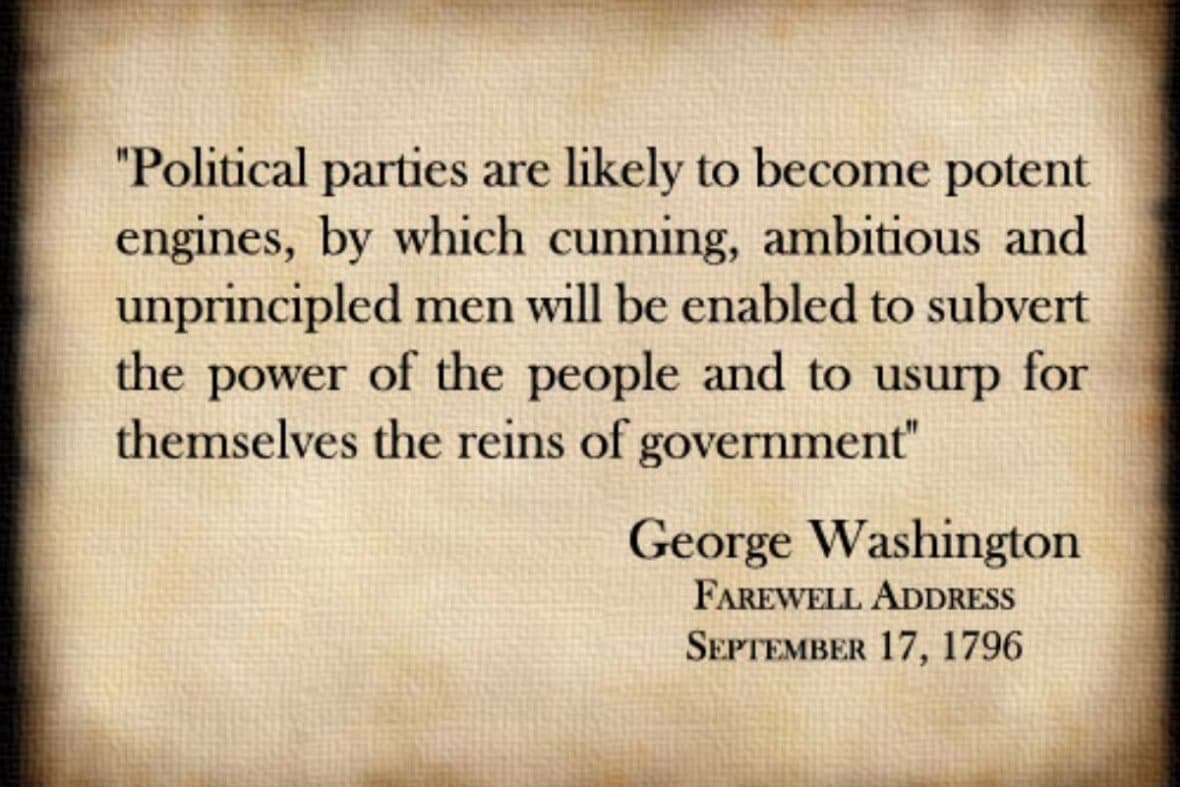
Not only were political parties not expected, but they were highly discouraged. The Founding Fathers saw political parties as dangerous factions that reminded them in their time in England. George Washington warned against political parties in his farewell address, saying they would “ruin public liberty,” “drive the spirit of revenge,” and “serve to organize division,” among other warnings.
Washington was not the only one who felt this way. John Adams said, “There is nothing which I dread so much as a division of the republic into two great parties,” while Thomas Paine said, “A man under the tyranny of party spirit is the greatest slave upon the earth.”
Regardless of Washington’s warnings, two members of his Cabinet were responsible for their creation. While Alexander Hamilton believed in a strong central government, Thomas Jefferson advocated for a limited federal government. This division resulted in the Federalists, who agreed with Hamilton, and the Democratic Republican party, who agreed with Jefferson.
4. Candidates for President and Vice President Did Not Run Together
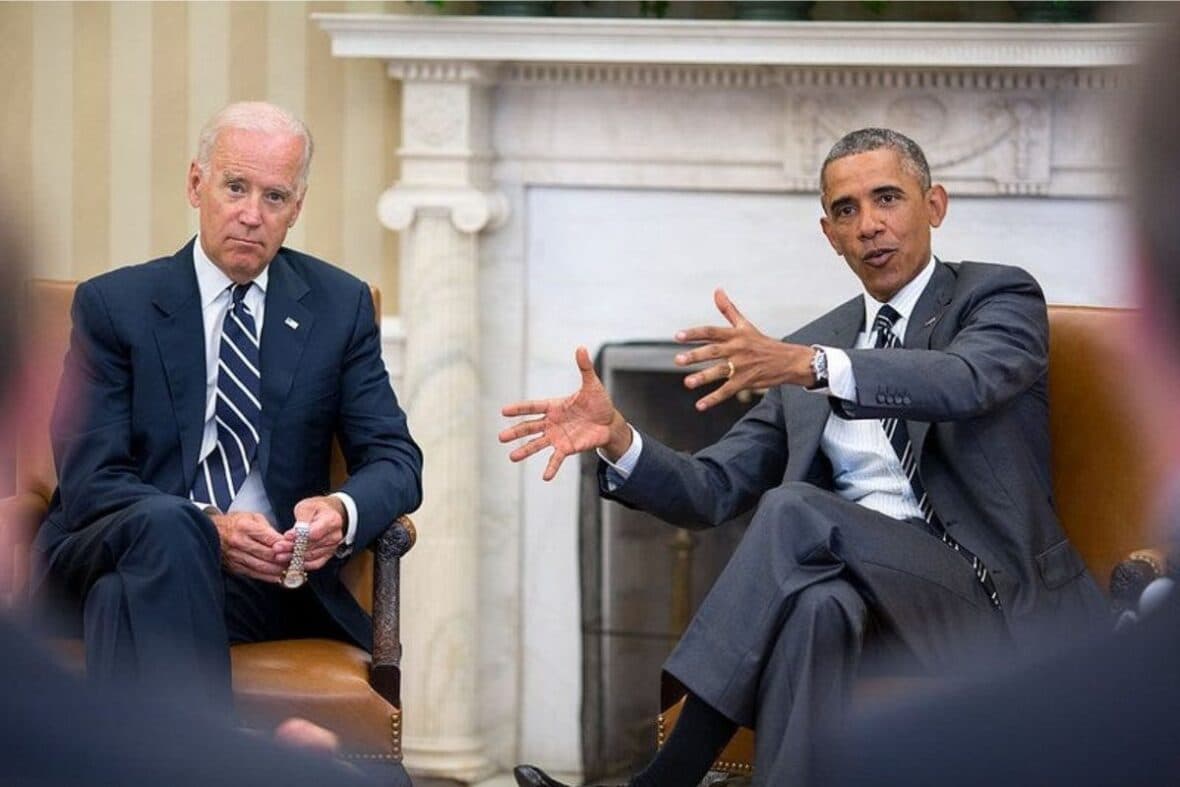
Today, presidential candidates choose a vice president who aligns with their views to help them secure enough votes. However, in the first elections, there was no ballot for vice president.
Whoever secured the most electoral college votes would become president, while the runner-up would earn the title of vice president. With no political parties, there was not need to run on a shared ballot.
Another stark contrast is the lack of campaigning. Today, candidates promote themselves on TV, during debates, or on social media. In the first years of the U.S. government, aspiring candidates would inform their close circle of allies of their interest. Then, those allies would garner support in their name.
3. The United States Could Have Had a King
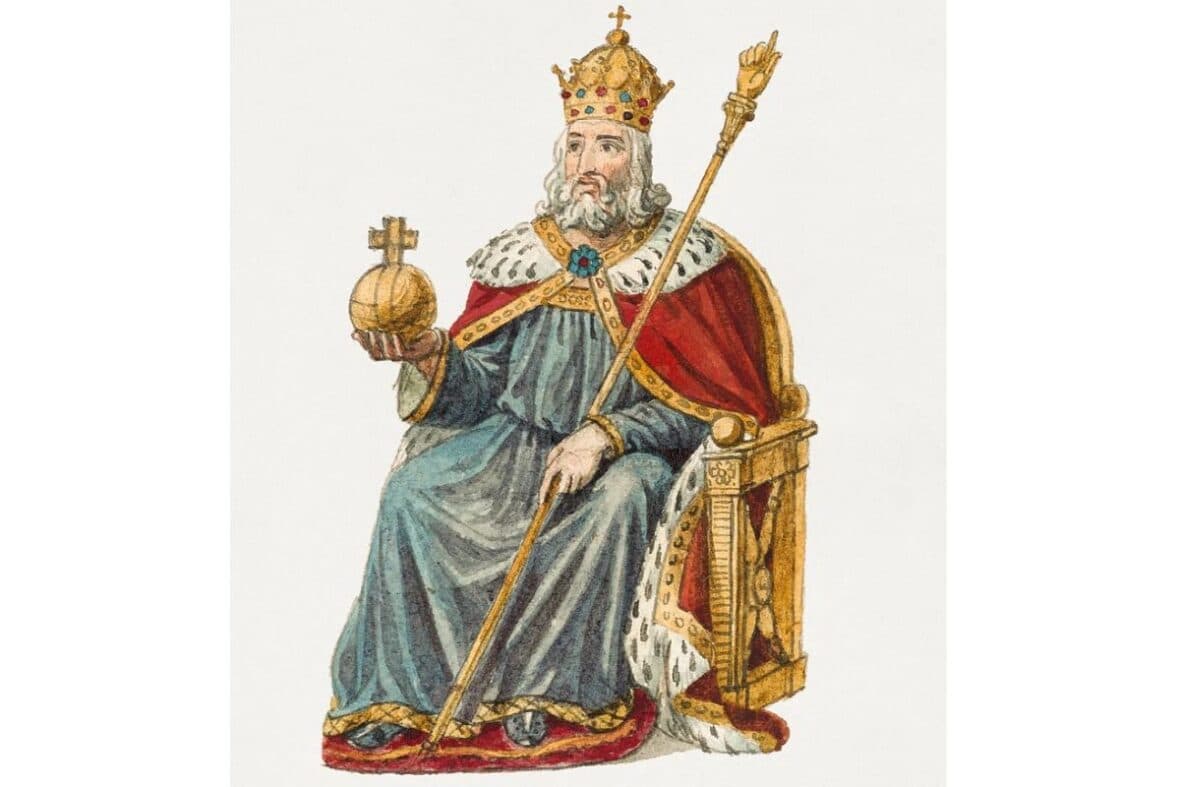
Though the colonists fought to remove themselves from the unfair British Monarchy, there was serious consideration toward having a king. Their weak central government became dysfunctional and chaotic. They realized they needed to strengthen executive power, which led them to the familiar monarchical structure.
In 1789, Nathaniel Gorham wrote a letter to Prince Henry of Prussia. Due to the prince’s proven leadership, they invited him to become the king of the United States of America. His response was to decline.
According to New York Senator Rufus King, Prince Henry said, “The Americans had shown so much determination [against] their old King, that they [would] not readily submit to a new one.”
2. The Vice President Didn’t Do Very Much
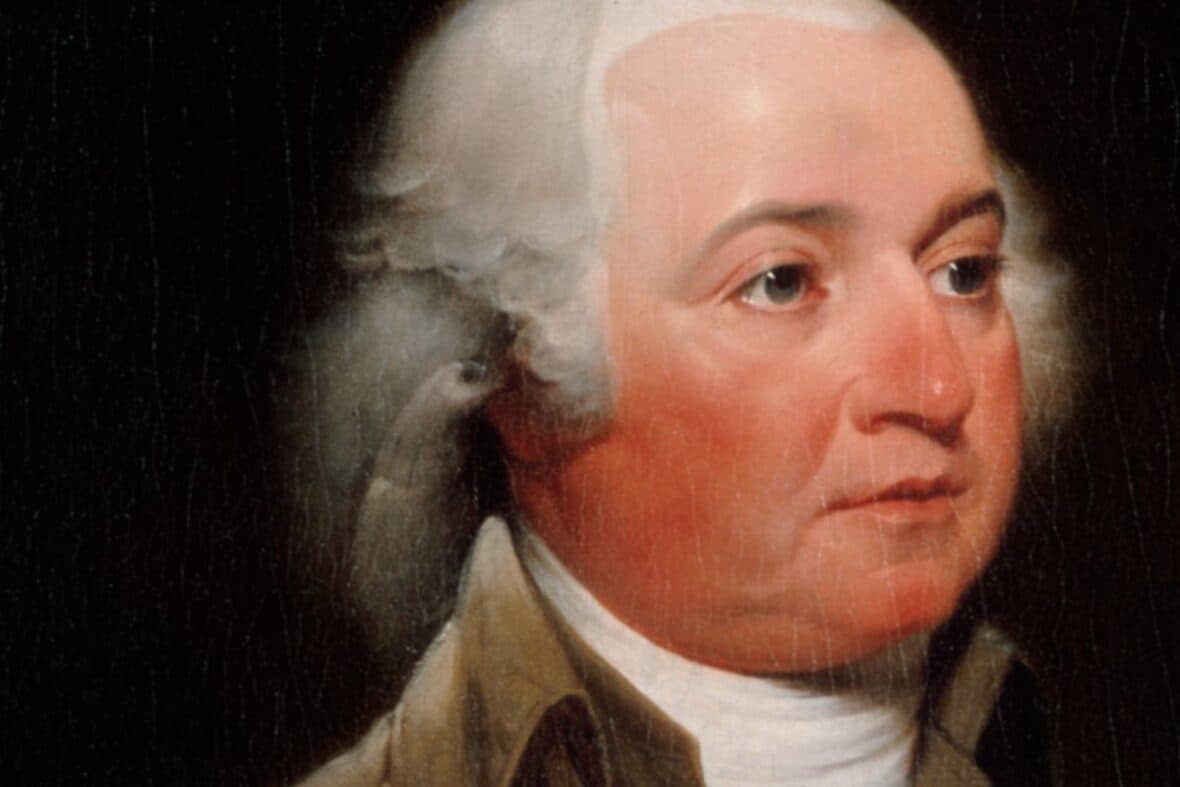
Today, the president and vice president work hand-in-hand. Though the president has more official duties, it is largely considered a partnership between the two. However, early vice presidents did not feel this way.
John Adams acted as the first vice president of America, though he did not look at it favorably. He referred to the position as “the most insignificant office that ever the invention of man contrived or his imagination conceived.” John Nance Garner is also known for saying it wasn’t “worth a bucket of spit.”
As the government has evolved, so has the position of vice president. Presidential candidates choose someone they trust to work beside them. Now, an outspoken, influential vice president is the norm.
1. Federal Income Tax Didn’t Exist
Until 1861, the federal government relied on tariffs and excise taxes. During the Civil War, they realized they would need higher funding for these unforeseen situations. This led to the Revenue Act of 1861.
The government imposed a three percent income tax on incomes exceeding $800. Only a year later, the Revenue Act of 1862 was passed. Income of $600-$10,000 paid a three percent income tax, while higher incomes paid five percent.