
 Duane Beckett
There are many former U.S. presidents with surprising military histories. These records are often forgotten among political stories, but they help explain each president’s character. Stories range from paying someone to take their place in war to leading entire artillery divisions, and these presidents’ military histories stand out among the rest.
James Monroe
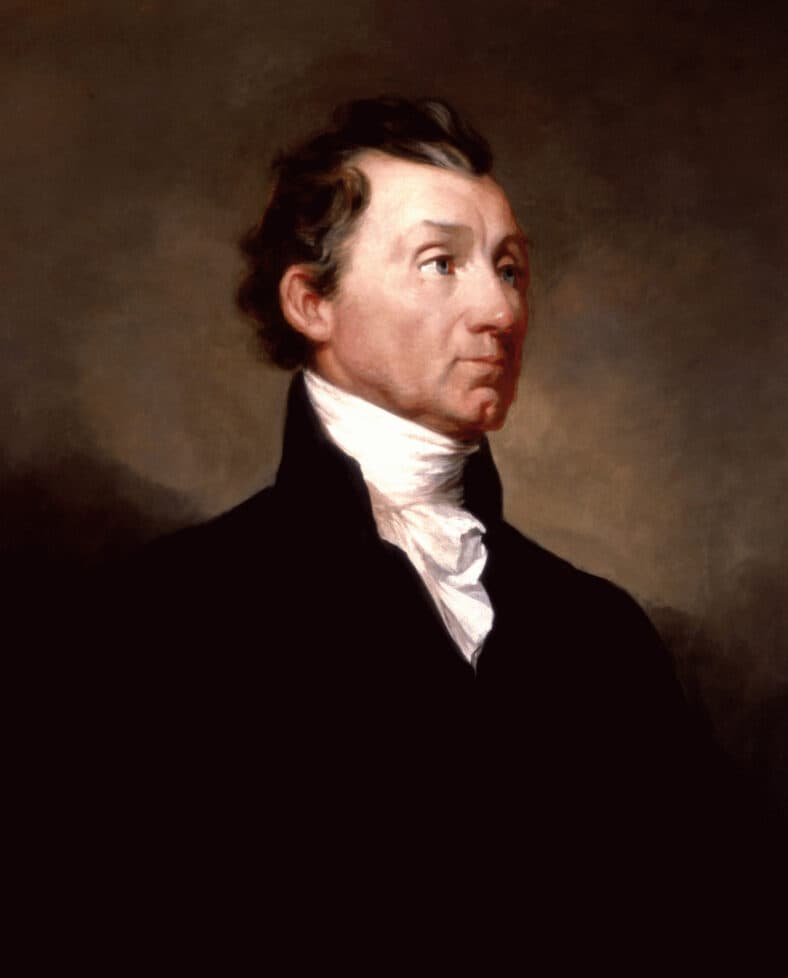
James Monroe is often remembered for the Monroe Doctrine, not for charging into combat like a Revolutionary War hero. However, according to the Smithsonian’s National Museum of American History, Monroe served as a major in the Continental Army from 1775 to 1778.
The National Constitution Center stated that he crossed the Delaware with Washington, fought at Trenton, and was seriously wounded while leading an assault on an artillery position. That’s not the quiet diplomat version most people picture, making him stand out against other U.S. presidents.
William Henry Harrison
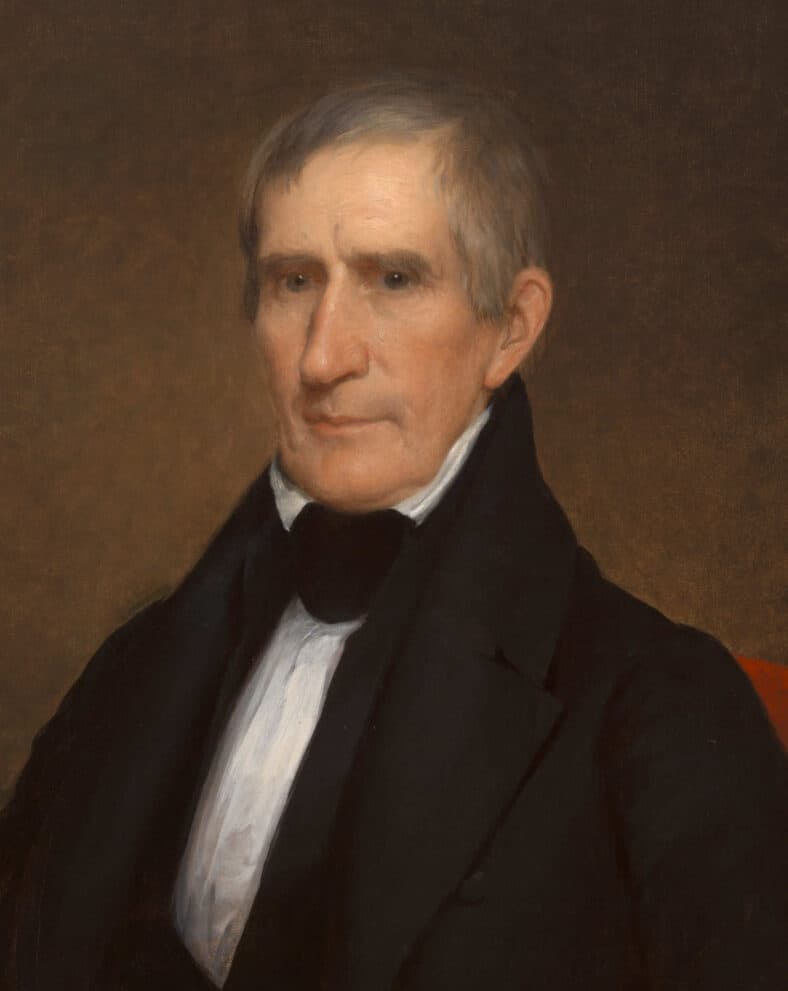
Most people know William Henry Harrison as the U.S. president who died after only 30 days in office. A detail that overshadowed the rest of his story. Information from the Smithsonian shows Harrison reached the rank of major general in the Kentucky Militia from 1812 to 1814, while the National Constitution Center called him the second-biggest hero of the War of 1812 after Andrew Jackson.
His biggest wartime victory came at the Battle of the Thames in 1813, where American forces under Harrison defeated British forces and their allies. It was a short presidency, but Harrison had an epic military background.
Millard Fillmore
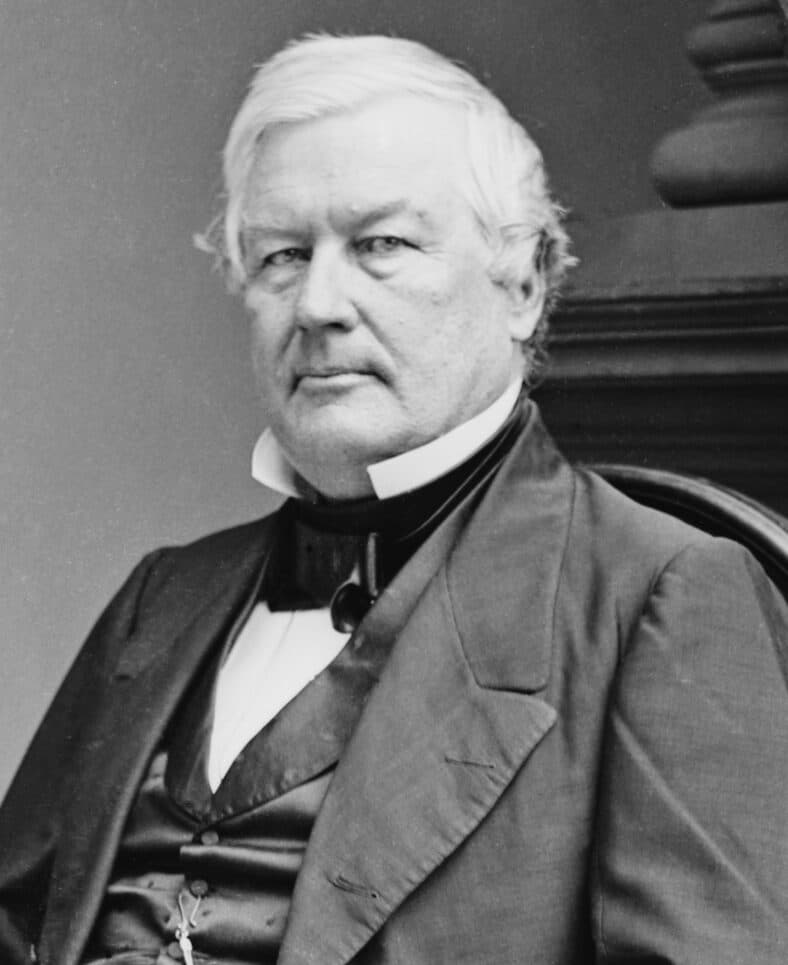
Millard Fillmore doesn’t exactly scream “military figure.” He’s usually tied to 1850s compromise politics, the Fugitive Slave Act, and a presidency that doesn’t get much airtime.
The Military Times reported that most of Fillmore’s military experience came after his presidency, when he served as a major in the Union Continentals, a home guard of older adult men from upstate New York. The Smithsonian also records him as a major in the Union Continentals in 1861. This is not front-line glory, but it’s unexpected for a former president to serve.
Grover Cleveland
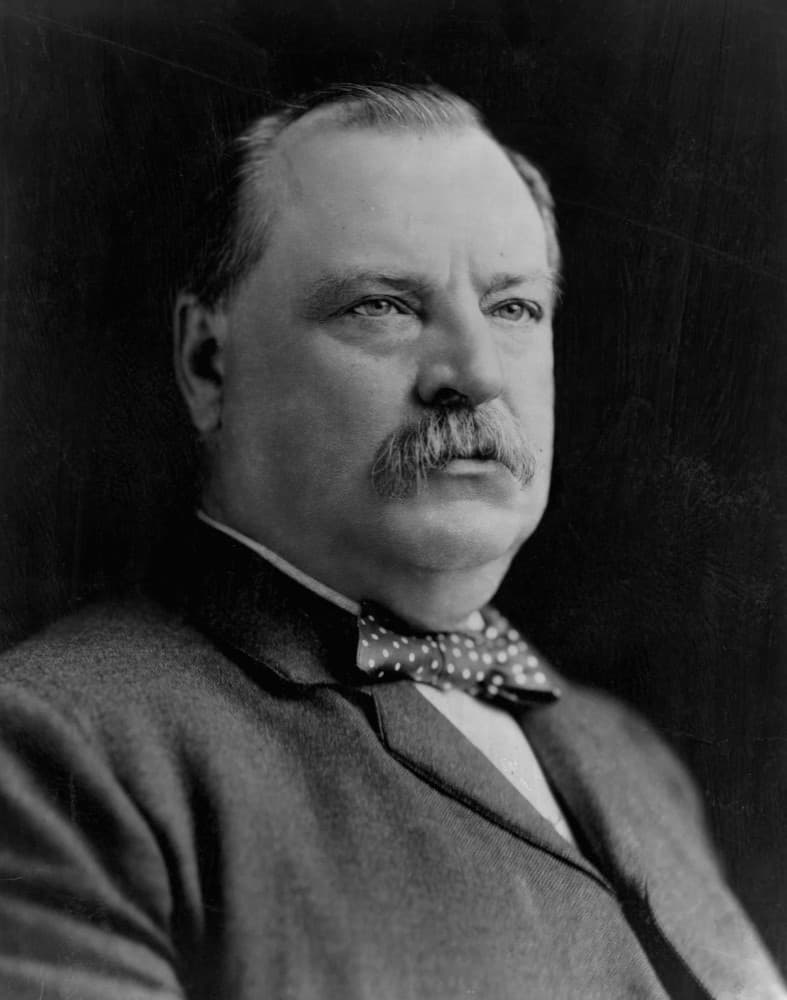
Grover Cleveland’s military history is surprising because it’s really a story about absence. The list of presidential military service records him with no rank or service, and the Miller Center states that during the Civil War, he avoided service by hiring a substitute for $300.
Later critics hammered him for it because Cleveland built his public image around toughness, reform, and clean government. As the National Archives put it, draft records show Cleveland’s name among drafted men and exempted men, with a record of when his substitute entered the army. It’s an awkward story, but historically important.
Harry S. Truman
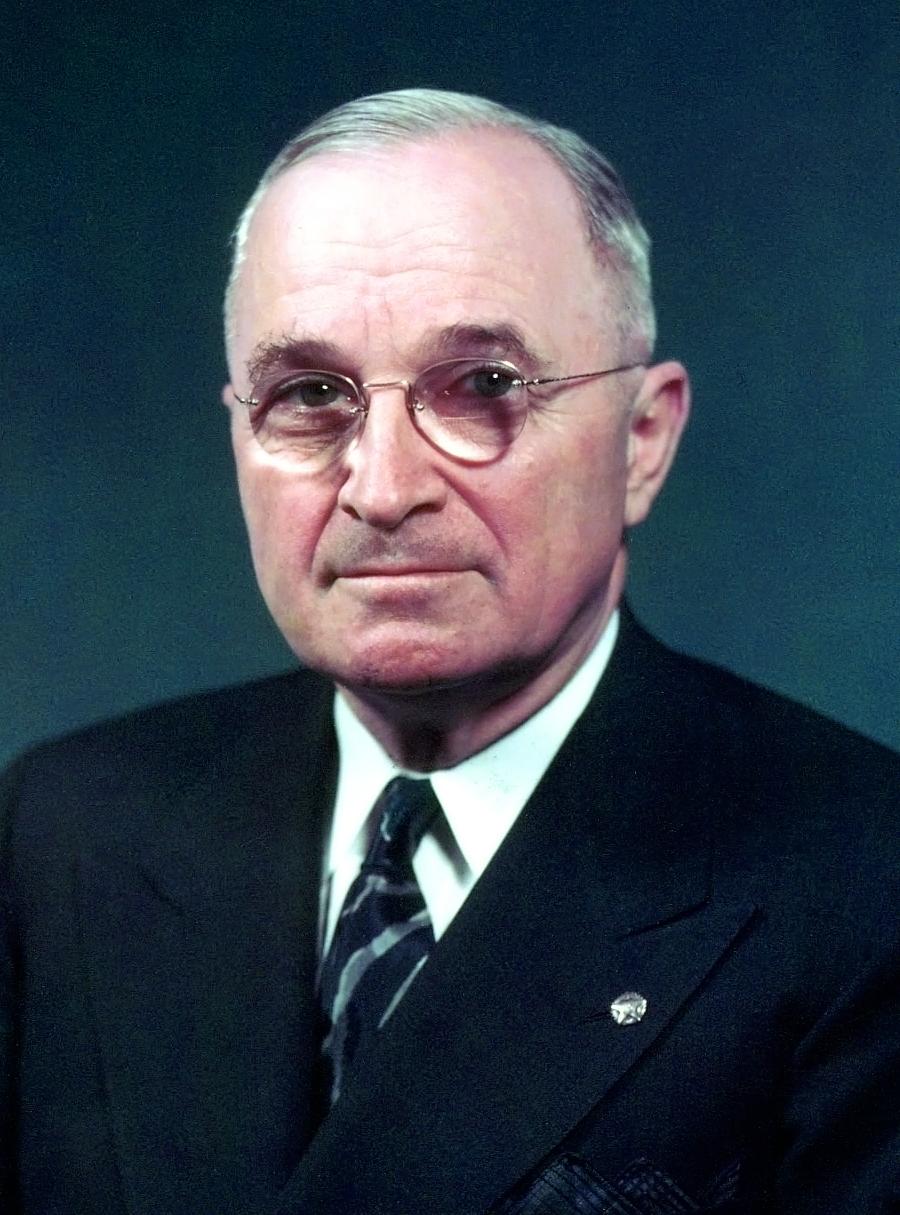
Harry S. Truman can seem like the ultimate behind-the-desk president, glasses on, paperwork ready. However, the National Constitution Center states that Truman was the only president to serve on the battlefield during World War I, commanding an artillery unit in France and supporting George Patton’s tank brigade.
The Smithsonian records him as a colonel in the Army Officer Reserve Corps from 1919 to 1945. The National Archives also found that “Captain Harry” commanded the 200-man Battery D, 129th Field Artillery, 35th Division. That battlefield experience helps explain some of his later steel.