
 Duane Beckett
A lot of people know the Constitution by reputation, but not always by what it actually says. Over time, a few big myths have snuck in and stuck around. Some have been repeated so often they now sound like settled facts. Here are some of the most common misconceptions.
1. Thomas Jefferson and John Adams did not sign the Constitution
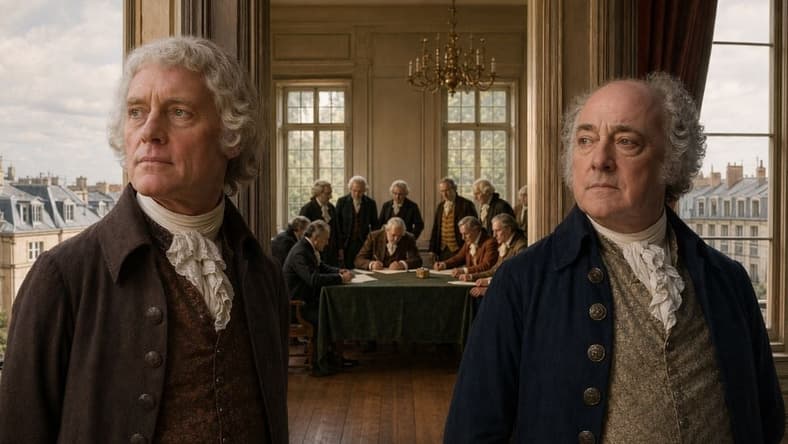
The fact that Thomas Jefferson and John Adams did not sign the Constitution, surprises plenty of people because both men loom so large in early American history. According to the National Constitution Center, Jefferson was in Paris during the 1787 convention, serving as U.S. envoy, while Adams was in London as minister to Great Britain. They were major Founders, no doubt. Just not signers of this document. It’s one of those history mix-ups that keeps getting passed around.
2. “All men are created equal” is not in the Constitution
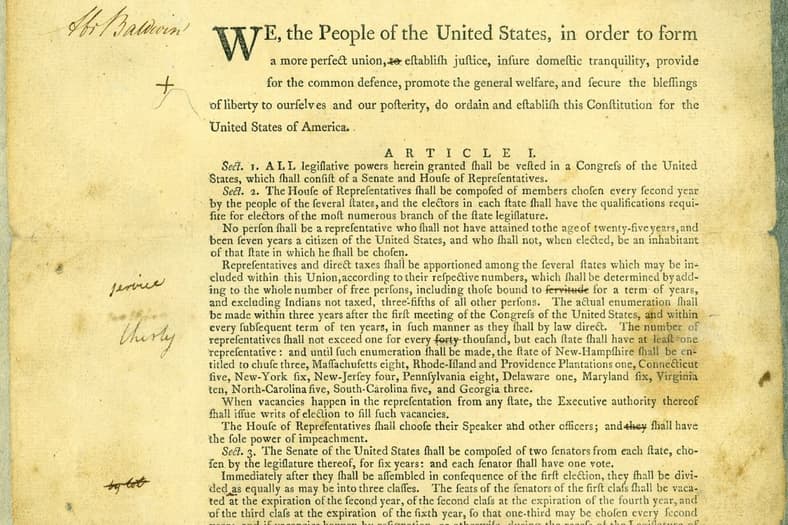
One of the most famous lines banded around when talking about the Constitution, “all men are created equal,” isn’t even in the document. The line actually comes from the Declaration of Independence and apparently, confusing the two happens more often than you might think.
The National Constitution Center says that the original document was heavily focused on equality because it included compromises around slavery, the Three-Fifths Clause, and more. The reality is that the Constitution was shaped by politics, bargaining, and some hard truths.
3. The Constitution says gun rights can never be regulated
The Second Amendment says the right to keep and bear arms “shall not be infringed,” but it does not use words like “absolute,” “unlimited,” or “can never be regulated.” That is where the myth comes in. Many people today speak as if those extra words are part of the amendment, when they are not. The misunderstanding is not that the right exists, it’s that some believe the amendment goes beyond what the text actually says.
4. A separation of church and state isn’t the exact wording
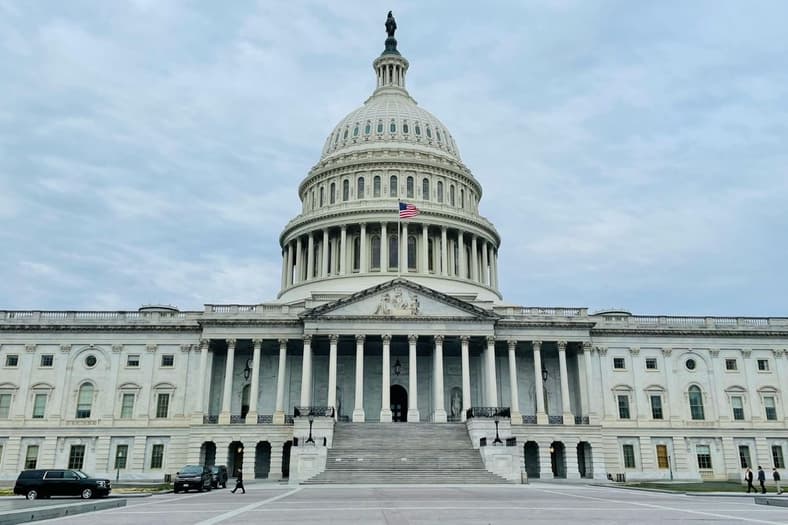
One line I’ve even used when talking about the Constitution is “separation of church and state.” However, Heritage states that the phrase isn’t in the Constitution. The First Amendment does state that Congress cannot establish a religion and cannot block the free exercise of one, so the meaning is there. Yet the exact line so many people use (myself included) is later interpretation, and not exact wording from the document.
5. A Christian nation by constitutional design
The Constitution does not establish the United States as a Christian nation. BJC states that the document contains no statement creating a national religion, and the First Amendment blocks government establishment of one. That point sometimes gets lost in modern arguments, especially when people blend national identity with constitutional wording. This is one of those myths people may have heard over the decades, even though the document itself says otherwise.
6. Judicial review was written in from day one
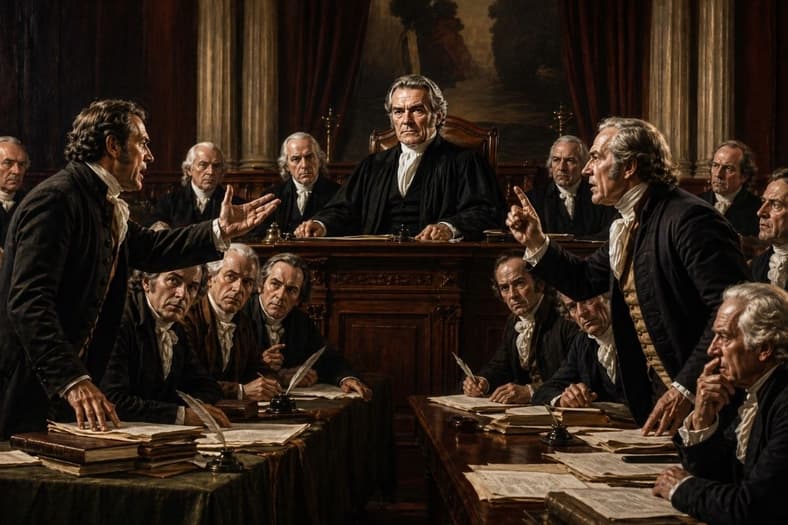
Judicial review sounds like something that was written into the Constitution from day one, but it wasn’t. Instead it was a practice that came from an early landmark ruling. Governing reports that this authority was established through Marbury v. Madison in 1803. It was at this point where the Court claimed the power to strike down laws it found unconstitutional. A system that is now a cornerstone of American law.