
 Duane Beckett
During the American Civil War, medical treatment was fast, bloody, and brutal compared to modern standards. Surgeons worked during a war that produced tens of thousands of amputations, and many tools now look more like workshop gear than medical instruments. The goal was simple: survival. However, the scenarios and Civil War surgical tools used are hard to imagine today.
Chain Saw for Bone
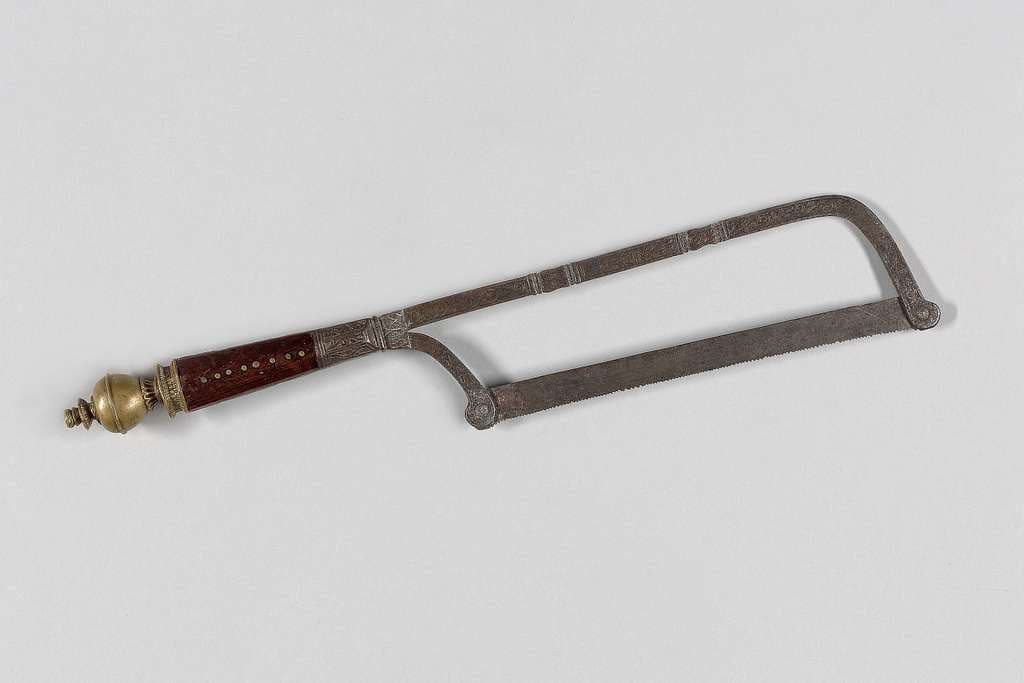
A chain saw for bone sounds like a horror prop, but it was a real Civil War surgical tool. Civil War Monitor reported that its flexible blade was used when a surgeon wanted to remove a section of bone instead of amputating the whole limb.
Surgeons held handles at both ends and pulled the chain back and forth across the damaged bone. The design helped limit damage to the muscle above it, which made it useful in limb-saving procedures during the war years.
Over the years of collecting oddities, I’ve seen plenty of old medical antiques, but this one I’d avoid. It really does look and sound horrific.
Trephine, or Skull Drill
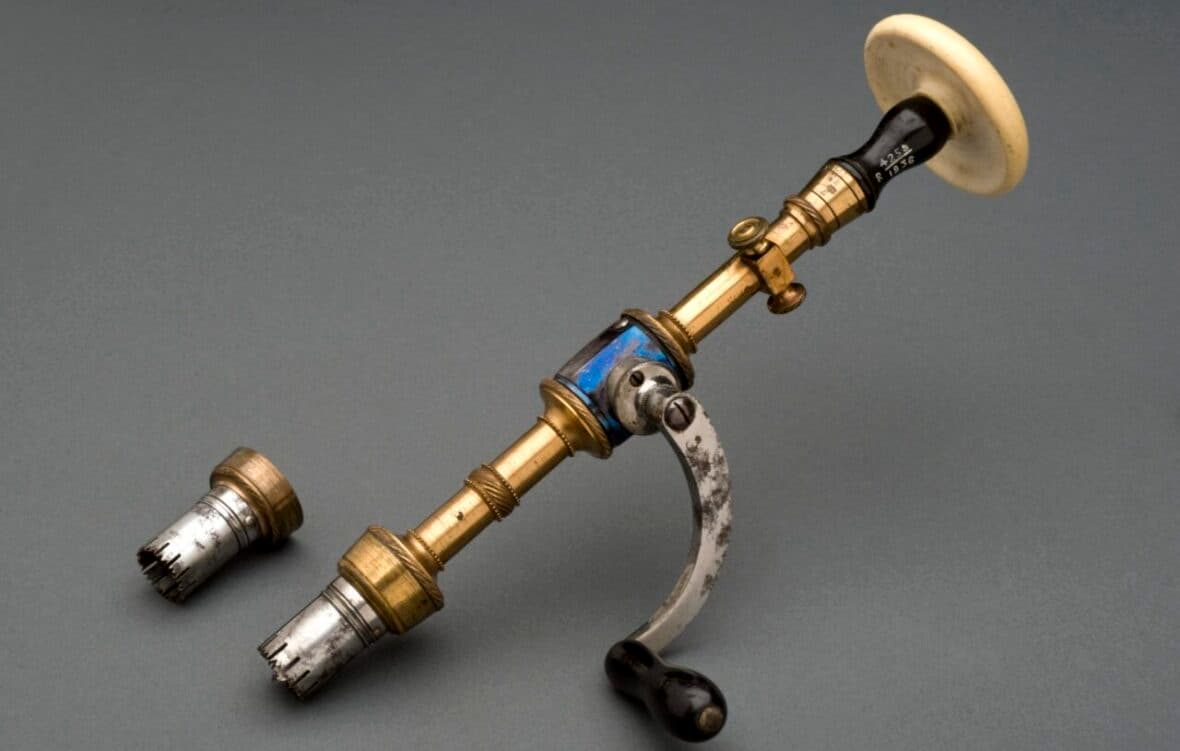
A trephine was a skull-drilling instrument used on wounded Civil War soldiers with depressed skull fractures. Civil War Monitor states that Galt’s trephine had a saw-toothed edge and was used to bore into the skull so doctors could remove shattered bone fragments and release pressure.
The Journal of Antiques & Collectibles also found that trephining sets used hand-twisting saws to cut circular holes into skulls. Used from 1861 to 1865, this tool was meant to treat serious head wounds from bullets or shrapnel. Still, there is very little that can make a skull drill look anything other than horrific when it comes to Civil War surgical tools.
Metacarpal Saw
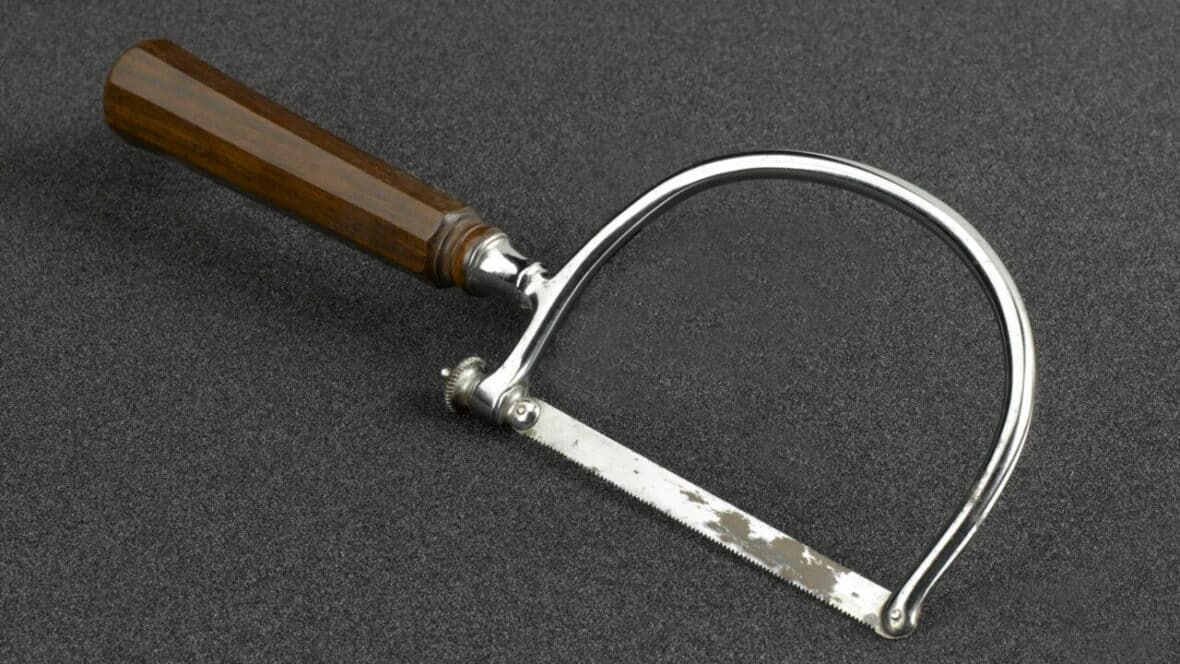
The metacarpal saw was used to cut through the small bones of the hand, especially when fingers or damaged hand sections had to be removed after combat injuries.
According to the Civil War Monitor, the saw had a rigid reinforcement bar for stability while cutting through hand bones. That bar could be lifted out of the way when deeper cuts were needed.
It was used in Civil War surgical kits, and looks like a miniature carpentry saw, which is exactly why it looks so horrifying today. It looks more like an item from someone’s garage bench rather than something from an operating room.
Bladder Trocar, or Suprapubic Puncture Tool
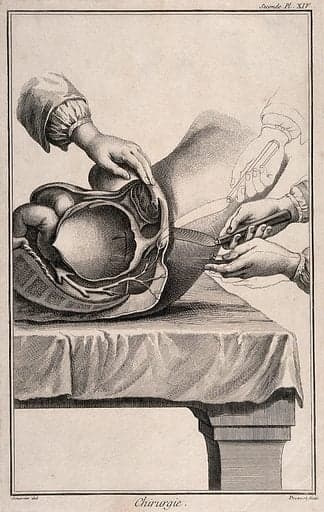
The Smithsonian Magazine reported on a sharp, curved Civil War medical tool used to puncture the bladder directly through the abdomen when pressure had to be relieved. That’s the kind of detail that makes you stop reading; it sounds horrific.
The tool worked by creating an opening into the bladder when urine could not pass normally. The Smithsonian identified the tool being discussed as part of a Union Army surgical kit from the Civil War, which places this type of invasive tool firmly in that wartime medical setting. It may have saved lives, but it looks like a metal spike with horrific intentions.
Tenaculum Hook
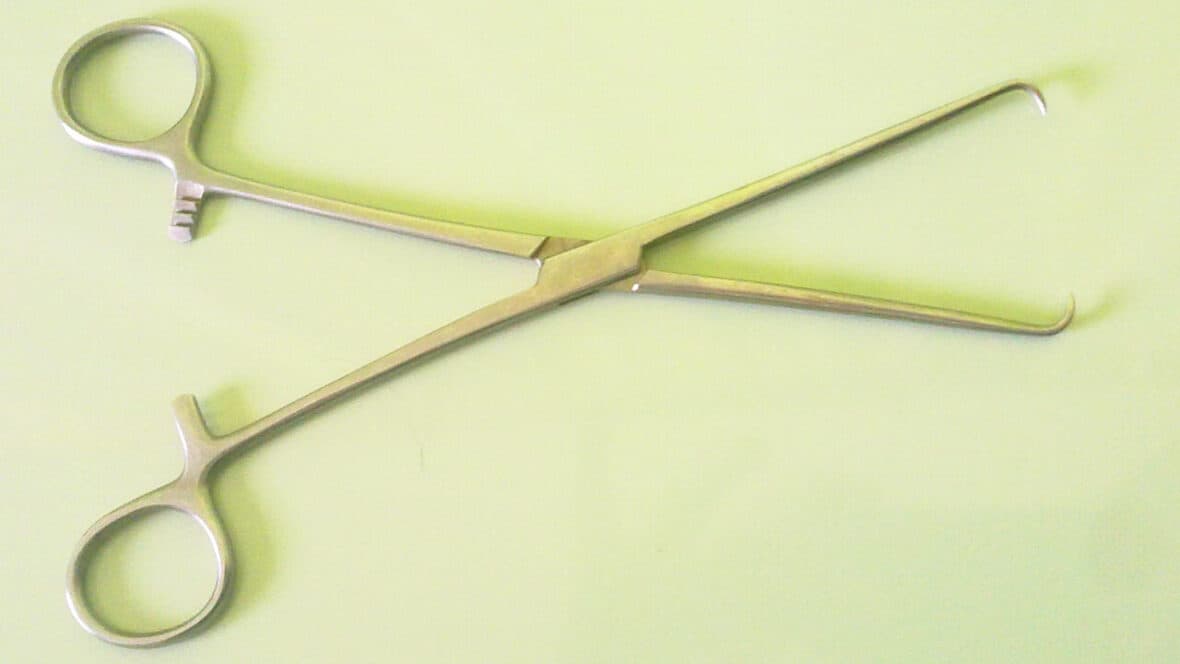
The tenaculum was a slender hook used to grab and hold tissue or blood vessels during surgery. The Encyclopedia Virginia states that Confederate doctors’ Civil War surgical kits included a hook-shaped tenaculum for holding tissue or blood vessels.
In use, the hook helped surgeons pull tissue aside or control bleeding while they tied off arteries. That made it essential during amputations and other emergency operations between 1861 and 1865.
Information from the National Archives shows how common this tool was, with about three-quarters of Civil War operations being amputations. It was a tiny tool, used in horrific ways, but it no doubt saved lives.