
 Duane Beckett
Some Civil War battles dominate the headlines in American history. However, there are so many forgotten conflicts from that time, some of which have incredible backstories and wild events. These five often-forgotten Civil War battles deserve more attention because each one has a wild hook, from rolling hemp shields to a bank raid in Vermont.
The Battle of the Hemp Bales: First Battle of Lexington
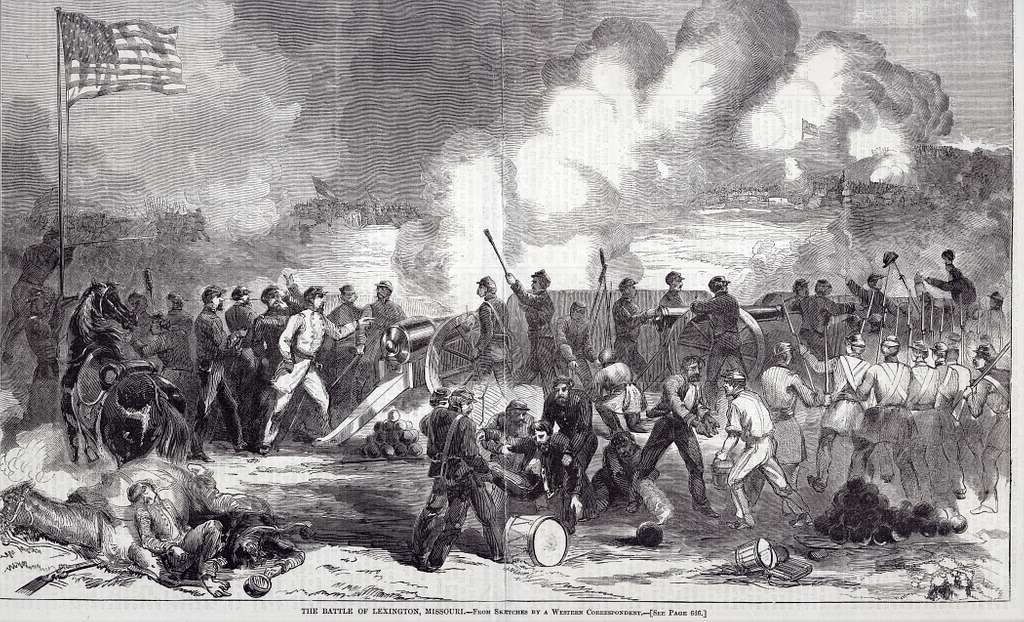
The First Battle of Lexington, also known as the Battle of the Hemp Bales, was fought at Lexington, Missouri, with skirmishing starting on September 12 and the main battle running September 18-20, 1861. Confederate-aligned Missouri State Guard troops under Maj. Gen. Sterling Price faced a Union force under Col. James A. Mulligan.
According to Civil War on the Western Border, Price’s side won after using hemp bales to surround the federal position. Amazingly, wet hemp became battlefield cover as the soldiers rolled the bales forward as bullets and cannon fire hit, before closing in on Mulligan’s trapped garrison.
The St. Albans Raid: A “Battle” in Vermont Banks
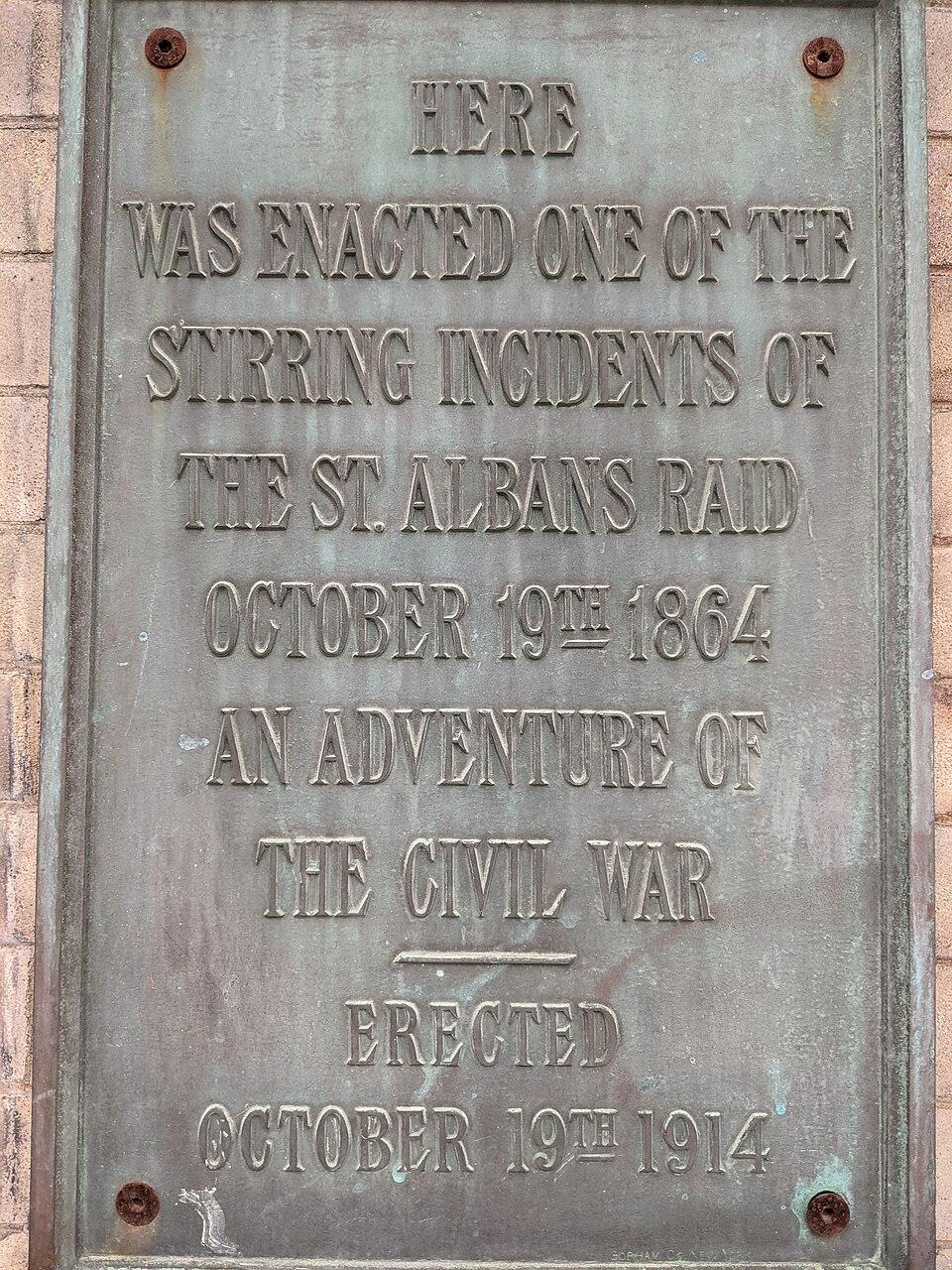
St. Albans Raid happened on October 19, 1864, in Vermont, far from the front lines most Americans picture. Confederate agents led by Lt. Bennett H. Young came out of Canada and faced townspeople, local authorities, and later Canadian officials.
StAlbansRaid.com states Young’s men blended in as travelers before the raid, then hit the town with pistols, horse theft, and bank robberies. Losses at the three banks were later placed at $208,000. They also tried using “Greek Fire,” which mostly failed. A Civil War bank job with international fallout- that’s not the chapter most of us got in school.
Picacho Pass: A Tiny Battle at the Edge of the War
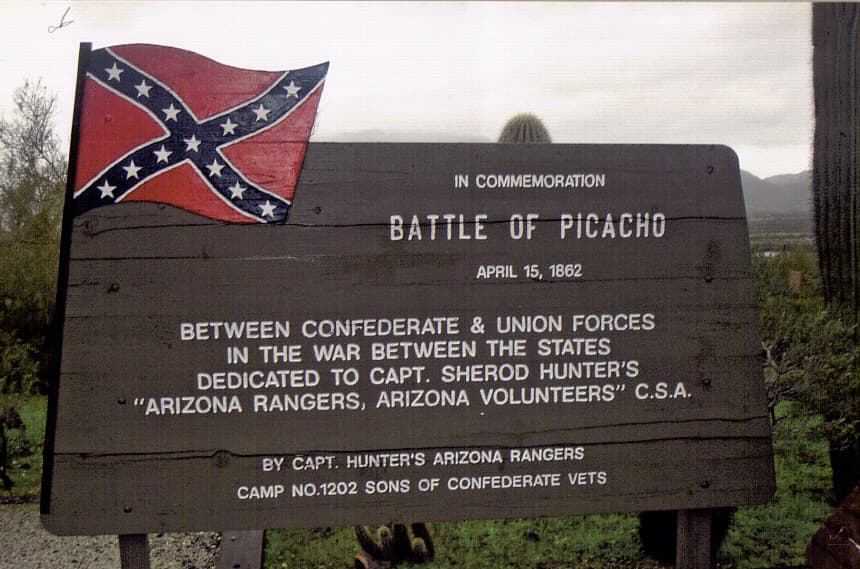
Picacho Pass, also called the Battle of Picacho Peak, was fought on April 15, 1862, near Picacho Peak in what is now Arizona. It involved a small Union squad under Lt. James Barrett of the 1st California Cavalry and Confederate Rangers led by Sgt. Henry Holmes.
Information from the American Battlefield Trust shows the fight involved very few men, but it still turned deadly fast. Barrett was killed, and the fighting lasted more than an hour.
I always find these small, far-off clashes fascinating because they show how huge the Civil War really was. Even the desert had its own war story.
Palmito Ranch Keeps Fighting After Lee Surrendered
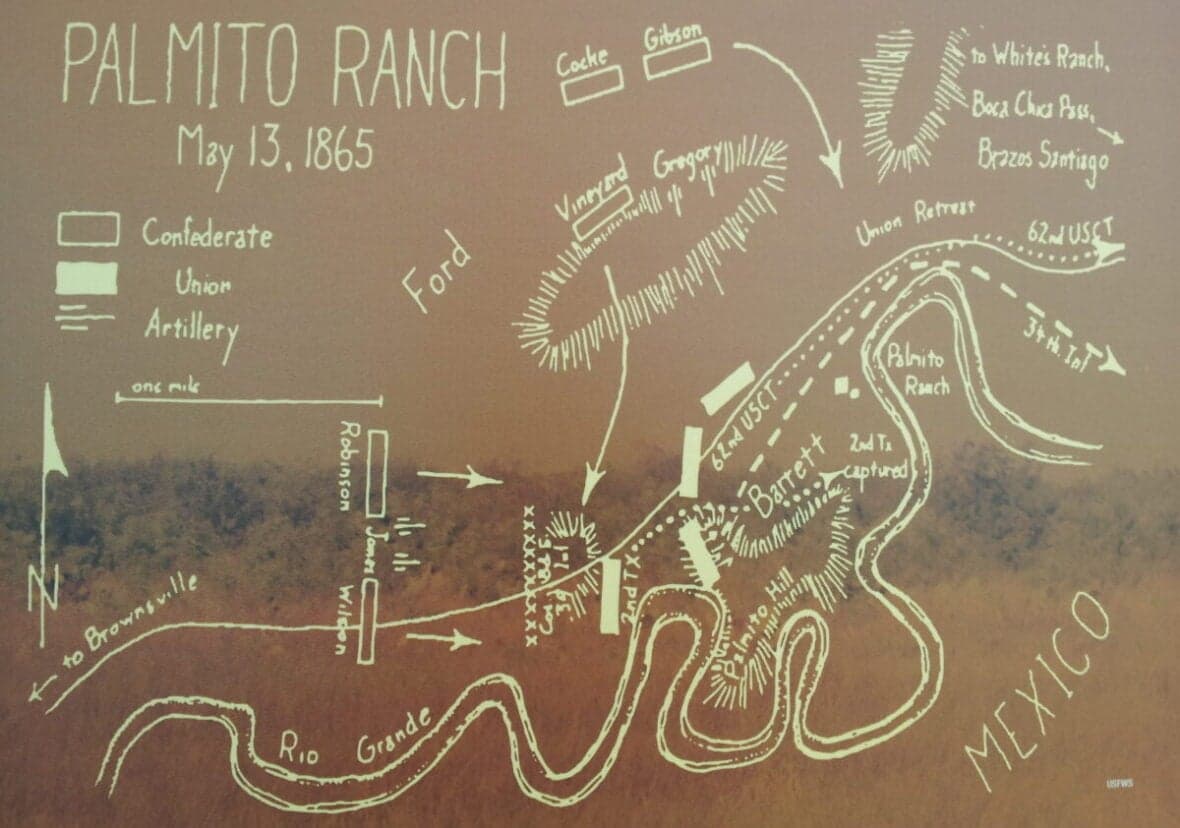
Palmito Ranch was fought on May 12-13, 1865, near Brownsville, Texas. Union forces under Col. Theodore H. Barrett fought Confederate troops under Col. John “Rip” Ford. According to the Texas Historical Commission, it was the final land battle of the Civil War, occurring more than a month after Robert E. Lee surrendered at Appomattox.
American Battlefield Trust states that Ford’s Confederates defeated Barrett’s Union force. That’s the wild background here: the war was basically over, yet soldiers were still fighting on the South Texas prairie. A Confederate victory, after the Confederacy was already falling apart.
Wilson’s Creek, the Bloodbath Bull Run Overshadowed
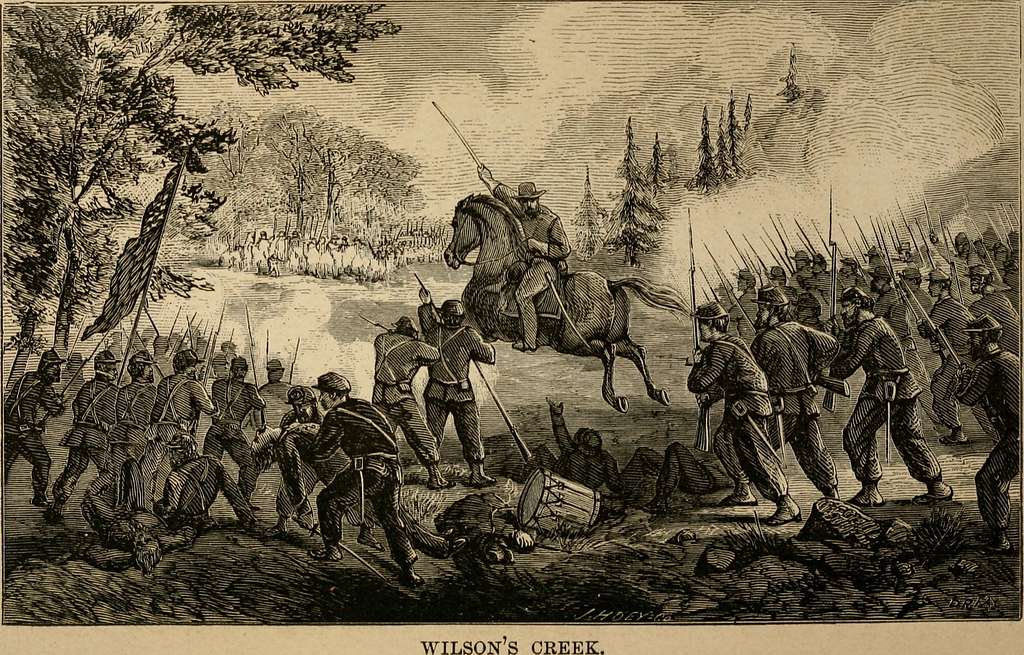
Wilson’s Creek was fought on August 10, 1861, near Springfield, Missouri. It involved Brig. Gen. Nathaniel Lyon’s Union Army of the West against Southern forces connected to Brig. Gen. Benjamin McCulloch and Maj. Gen. Sterling Price.
The American Battlefield Trust states that Lyon attacked around 5 a.m., and Confederate forces counterattacked three times. Lyon was killed during the battle. The National Park Service adds that Southern forces held the field, making it a tactical victory.
This should be a more widely known battle, with its heavy casualties, an early Union general killed, and Missouri’s future hanging in the balance. However, Bull Run gets most of the coverage when it comes to Civil War battles.