
 Duane Beckett
American history is packed with names we all know. Yet some of the most fascinating stories sit just outside what we’re taught in school. These women changed medicine, journalism, science, war, and the environment.
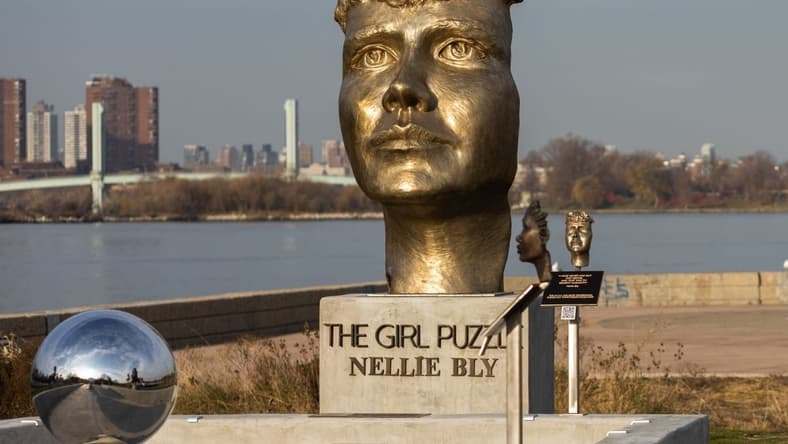
Nellie Bly goes inside Blackwell’s Island
The Library of Congress states that Nellie Bly, born Elizabeth Jane Cochran, had herself committed to the Women’s Lunatic Asylum on Blackwell’s Island in 1887 so she could expose what was happening inside.
She used the name Nellie Brown and fooled doctors, police, and asylum staff. Ten days later, her reporting showed neglect, abuse, poor food, and brutal treatment. Her work led to reforms and helped change journalism itself.
Virginia Apgar makes newborns count
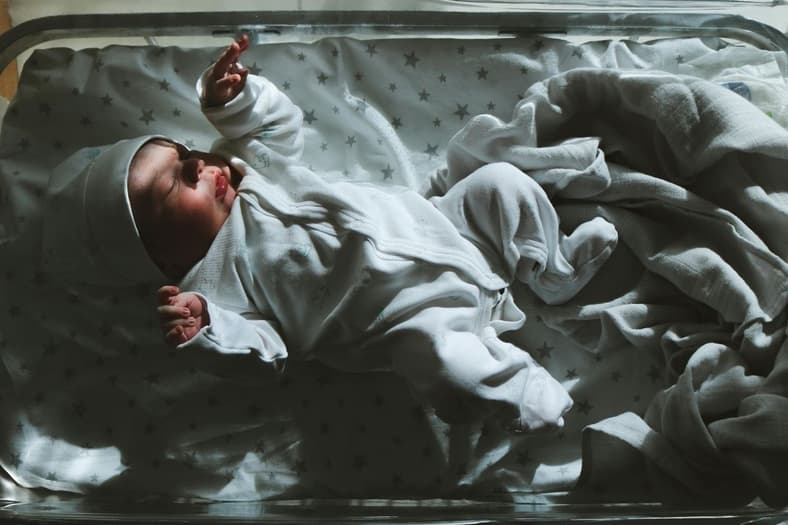
Dr. Virginia Apgar changed delivery rooms with a test so simple that most people don’t realize how revolutionary it was. March of Dimes reported that in 1952, Apgar created a scoring method to quickly check a newborn’s skin color, pulse, reflexes, muscle tone, and breathing right after birth. Before that, babies often received less direct medical attention immediately after delivery.
The Apgar Score helped doctors see newborns as patients who needed fast care, not just as outcomes of childbirth. March of Dimes also states that the system helped spur neonatology and the development of neonatal intensive care units. It’s still used worldwide today.
Hazen and Brown, names behind a global cure
Hundreds of miles apart, Elizabeth Lee Hazen and Rachel Fuller Brown used the U.S. mail to build one of the most important medical partnerships of the 20th century. The Science History Institute reports that Hazen worked in New York City testing soil cultures against dangerous fungi, while Brown worked in Albany isolating active compounds from the samples Hazen mailed to her.
Lemelson-MIT states that their work led to nystatin, named for the New York State Department of Health, and the drug was patented in 1957. It’s still used today for fungal infections and has even been used to restore artwork damaged by water and mold. Hazen and Brown invested more than $13 million in royalties back into scientific research.
Rachel Carson’s Silent Spring
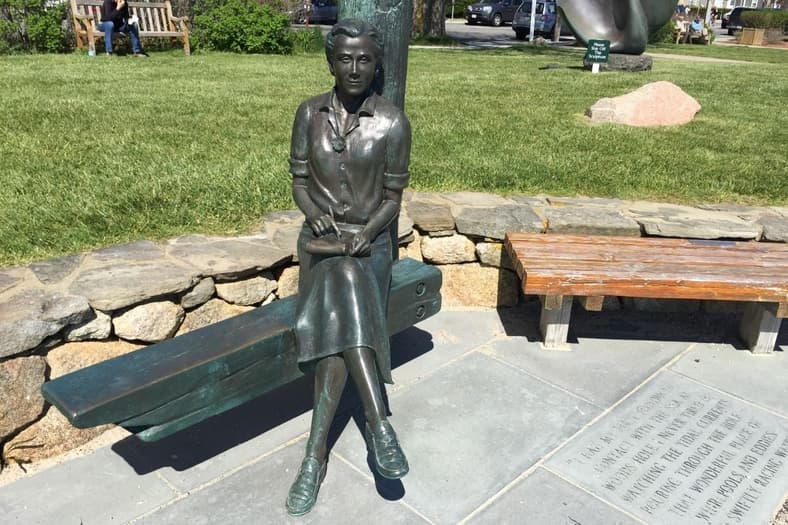
Silent Spring, written by Rachel Carson, did more than make people nervous about pesticides. It forced America to look closer at what chemicals were doing to birds, water, soil, and people. The American Chemical Society states that the years after Rachel Carson’s 1962 book saw the creation of the EPA and new environmental protections, including the 1972 ban on domestic DDT use.
According to the EPA, Carson’s book helped fuel growing public concern over pesticides and pollution during the 1960s. That concern came alongside other environmental disasters, but her work gave the issue a clear voice. That’s why her story remains relevant.
Mary Edwards Walker’s Medal of Honor
According to the National Park Service, Dr. Mary Edwards Walker was a doctor, suffragist, Civil War surgeon, prisoner of war, and the only woman ever to receive the Medal of Honor.
Walker was denied a commission as a medical officer, but still served as an unpaid volunteer surgeon before becoming a contract assistant surgeon with the Army of the Cumberland. She was captured by Confederate troops in 1864 and spent four months in Castle Thunder prison. Her Medal of Honor was stripped from her in 1917, then reinstated in 1977.