
 Nikole Stewart

The postal service is one of the many systems that have been crucial throughout history. And while the world has slowly moved away from sending letters and documents, and instead turned to technology, the postal service is still a vital part of our world. Which makes these facts about the early days of the U.S. Postal Service that much more interesting.
Benjamin Franklin’s Role
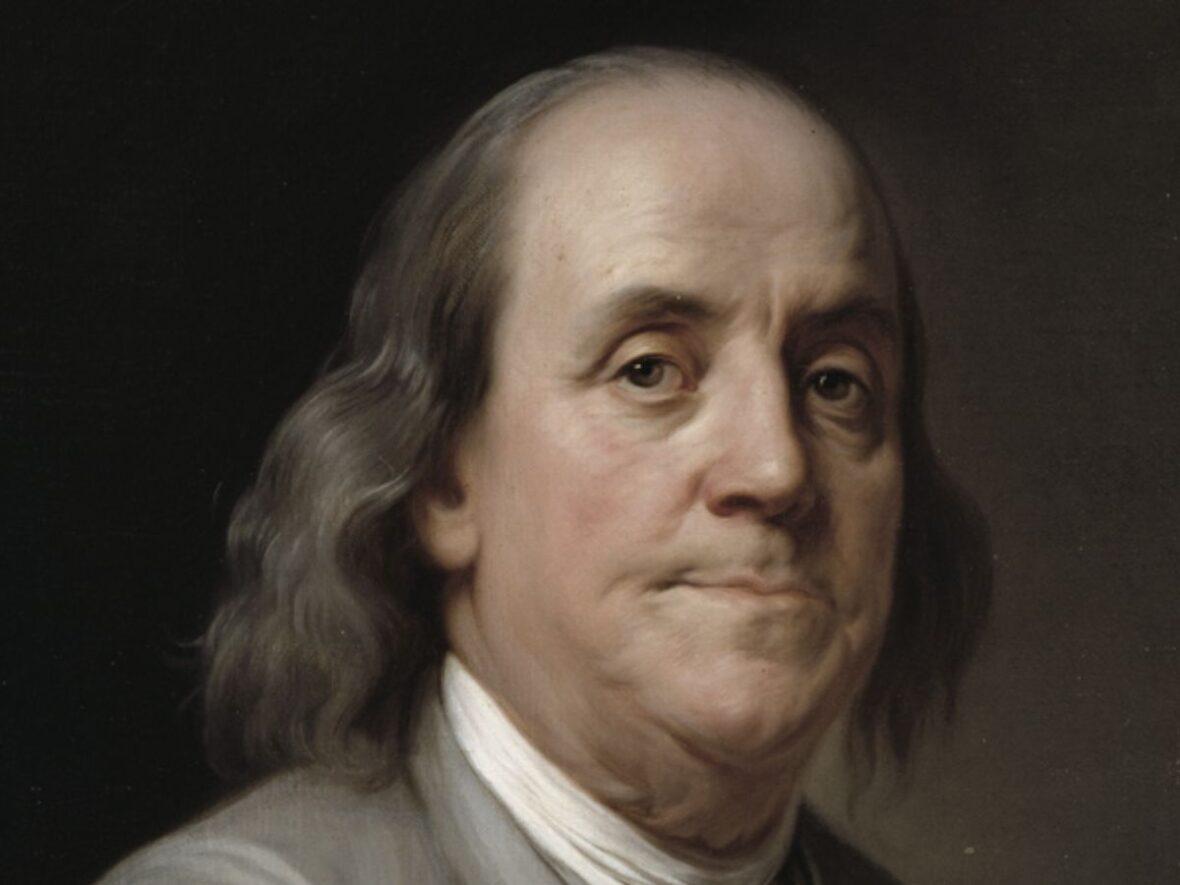
Appointed as the first Postmaster General in 1775, Franklin played a crucial role in the early postal system’s development. Franklin worked from 1753 to 1774 to improve a primitive courier system to connect the 13 fragmented colonies into something more efficient and organized, which helped speed up deliveries between Philadelphia and New York City in only 33 hours.
Post Office Act’s Death Penalty
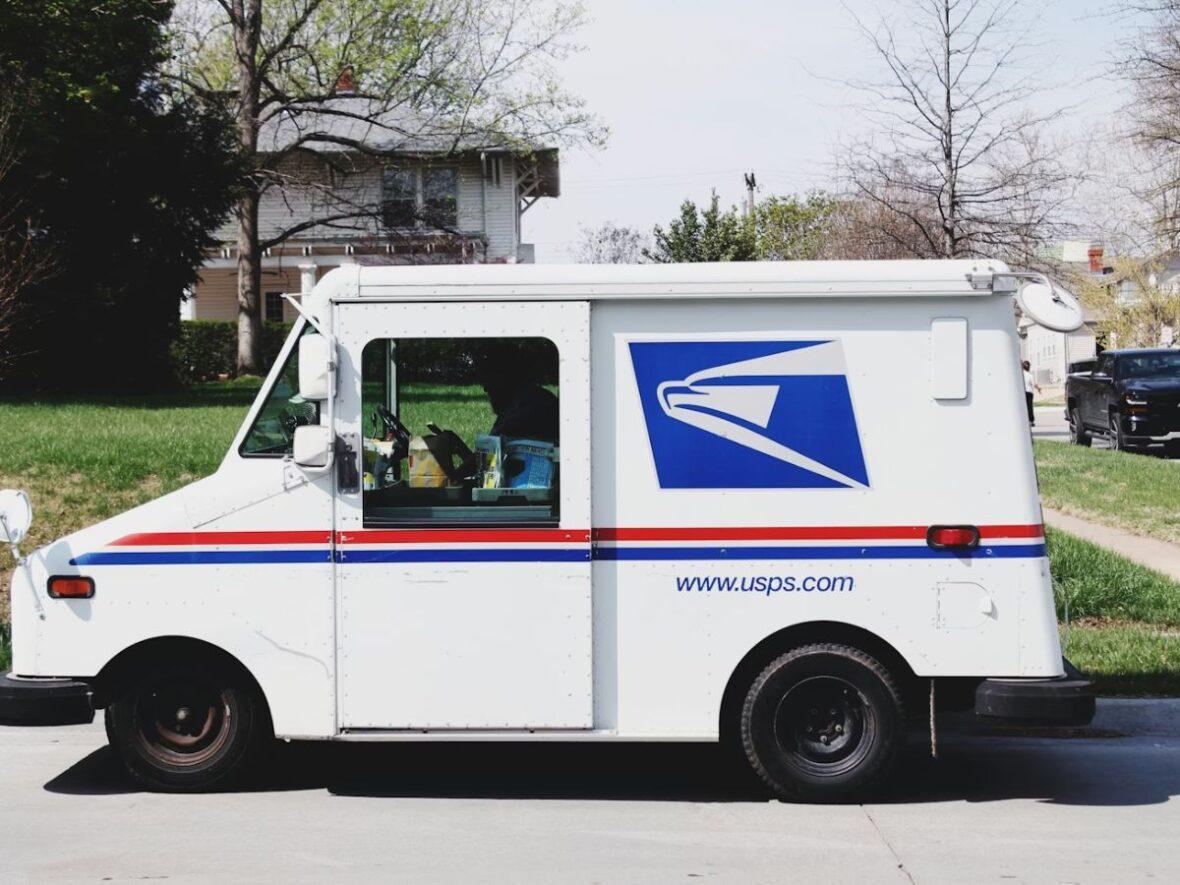
Back in the day, the U.S. Postal Service was the only way to officially send money, which meant there were severe consequences for those who stole mail. And that consequence was usually the death penalty. However, it was soon reconsidered, and in 1799, Congress changed the ruling to state that first-time offenders would be punished by a public whipping and a prison sentence of up to 10 years. Second offenders were still subject to death, which was unchanged until 1872.
First Post Office

While Benjamin Franklin was the first Postmaster General, he wasn’t the first important person that helped create the system. One of the most interesting facts about the U.S. Postal Service focuses on Richard Fairbanks, a Boston tavern owner who designated the colonies’ first post office back in 1639. The Massachusetts General Court named his tavern as a post office for letters coming into or going out of the colony to overseas posts.
Pony Express
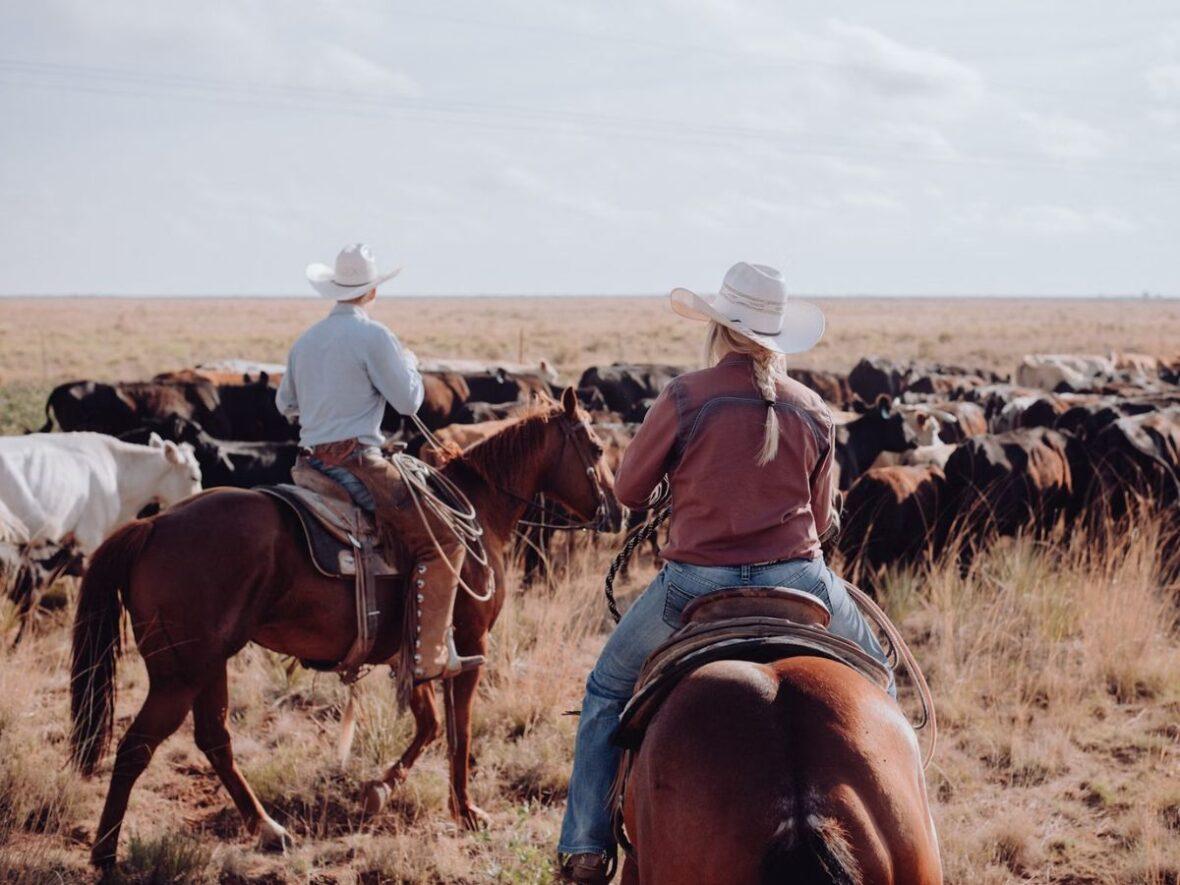
The Pony Express played a huge role in history back when railroads only went as far as Missouri. This was the best way to help cover the missing ground for a while, but interestingly enough, it wasn’t part of the U.S. Postal Service. While mounted carriers traveled 1,800 miles from St. Joseph, Missouri, to Sacramento, California, in only 10 days, they were a private mail service and were in business for about a year and a half.
The First Stamps
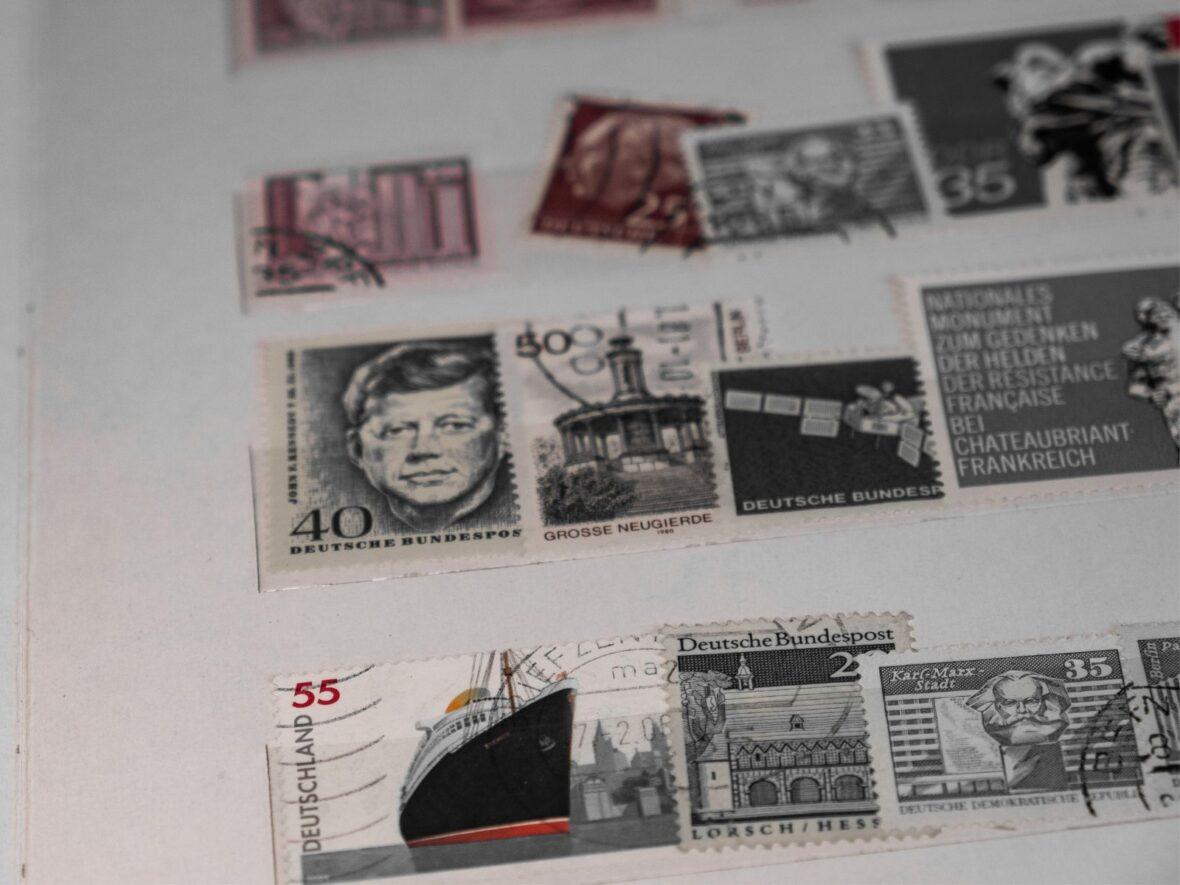
Back when the U.S. Postal Service was first created, people would take their letters to the Post Office, where a postmaster would note the postage in the upper right corner. The postage was rated based on the number of sheets in the letter and the distance it was traveled. In 1847, Congress authorized postage stamps, with a 5-cent stamp depicting Benjamin Franklin, and the other, 10-cent stamp being of George Washington.
Delivery by Mule
One of the most interesting facts about the U.S. Postal Service is that some places still have old practices. For instance, there’s still one place in the United States that delivers their male by mule. Located at the bottom of the Grand Canyon, the village of Supai in Arizona recieves their male traditionally. The local Havasupai tribe sees a fleet of 50 horses and mules that make an 8-mile trek to deliver precious mail.