
 Duane Beckett
When it comes to old-world beliefs, animals max out weirdness fast. Some of these beliefs are wild by modern standards, but we have to remember that information often came from books, artist depictions, and word of mouth. From creatures living in fire to whales with antennae, these are weird things people once believed about animals.
1. Salamanders could extinguish and live in fire

For centuries, people believed salamanders had power over fire. In ancient Rome, Pliny the Elder wrote that the animal was so cold it could put out flames by touch, almost like ice.
WIRED reported that this fireproof idea stuck around from the first century through the Middle Ages and into Renaissance-era thinking, even after skeptics pushed back. And it gets weirder.
Chabad’s Talmud text claims that salamander blood could make someone fireproof, while later lore tied the creature to furnaces and flames.
2. Elephants were in perpetual war with dragons
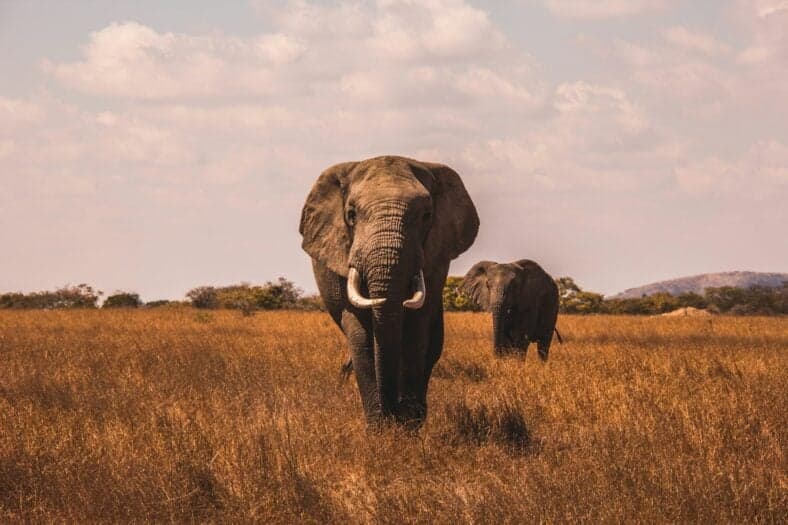
In the first century AD, Roman-style natural history claimed dragons attacked elephants in India, wrapped around them, crushed them, and drank their blood.
Listverse states that the same tradition said elephants could fight back by trampling the dragons underfoot. This is all very weird but showcases how people misunderstood elephants.
For instance, medieval texts claimed female elephants needed mandrake root before they could conceive. Bestiary.ca adds that the female ate the root, shared it with the male, and then became pregnant.
3. Pelican blood could resurrect the dead
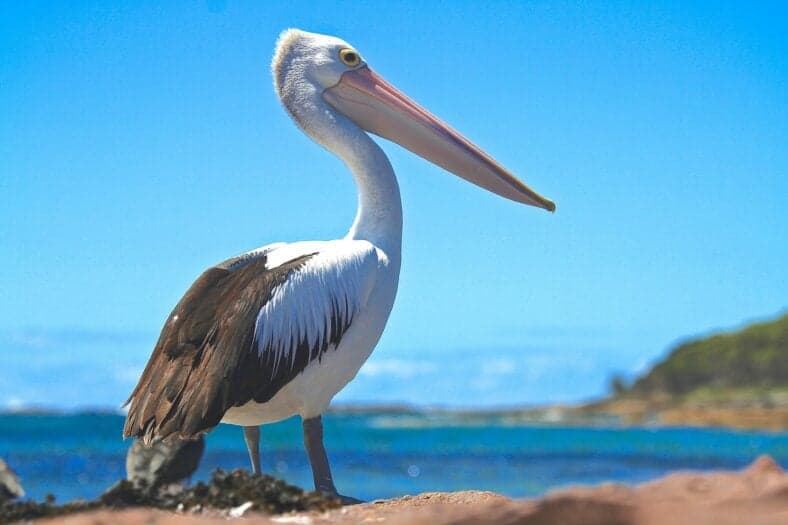
Pelicans once carried one of the strangest animal myths in medieval Europe. In the seventh century, Isidore of Seville helped spread the belief that a pelican mother killed her chicks, mourned them for three days, then pierced her own chest so her blood could bring them back to life.
Information from Bestiary.ca shows this legend was later repeated in bestiary traditions, often as a Christian symbol of sacrifice. The Royal Museums Greenwich adds that the pelican became one of Queen Elizabeth I’s favorite symbols, used to show motherly love toward her subjects. The image even appeared in 1611 King James Bible artwork.
4. Crocodiles were part-monkey
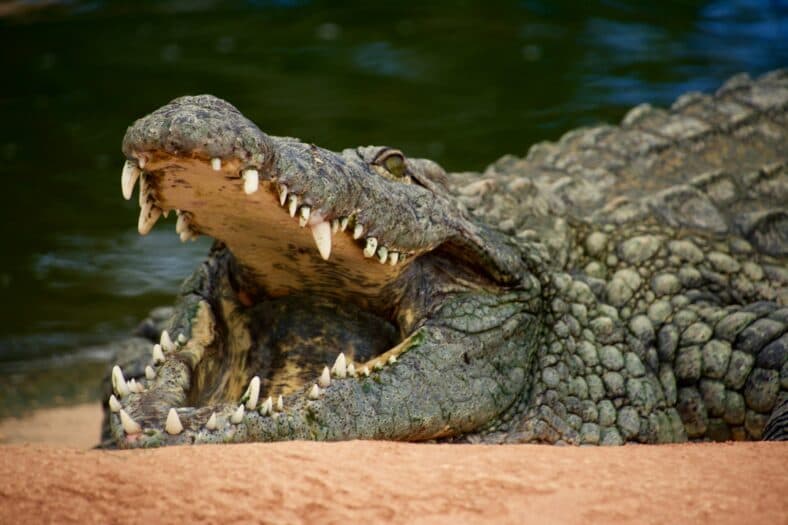
Medieval Europe did not always have a clean picture of crocodiles. That is putting it kindly. Listverse states that the 11th-century Book of Flowers described crocodiles as long, scaly creatures with curly tails, hands, and hairy monkey-like faces. It isn’t exactly National Geographic in its accuracy.
The mistake seems to have lived on because many artists were copying older descriptions instead of seeing the animals themselves. Over time, some details improved, including the tails, but monkey-faced crocodiles kept showing up in European art for centuries. By the 17th century, artists were still working through the confusion.
5. Male and female whales had antennae
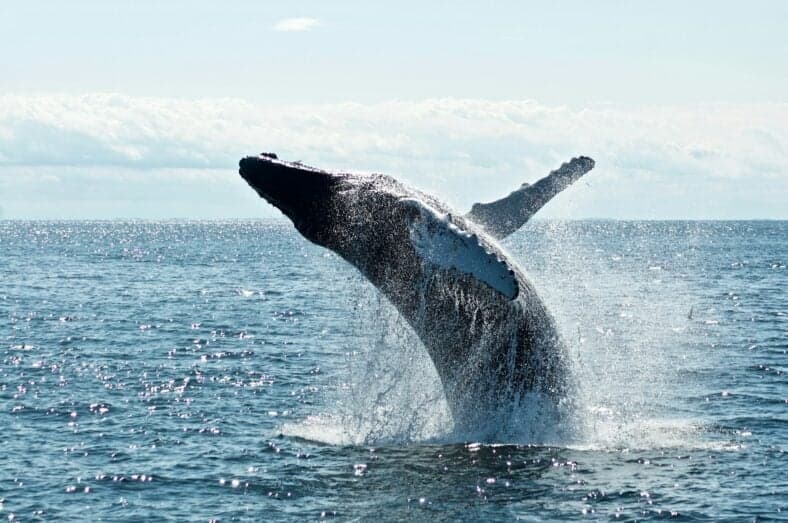
In the 17th century, French naturalist Pierre Pomet published whale illustrations that looked more like sea monsters than marine mammals for our list of weird things people once believed about animals.
Listverse shows that Pomet’s male whales had armored, dragon-like heads, fingers on their fins, and two long antennae with fluffy ends. Female whales, he claimed, also had antennae, only shorter and stubbier. That was supposedly how you told the sexes apart.
I can see the collectible appeal of the drawing, but as science, it was way off. Still, it shows how confident old natural history could sound, even when the author was describing an animal they had likely never seen up close.