
 Duane Beckett
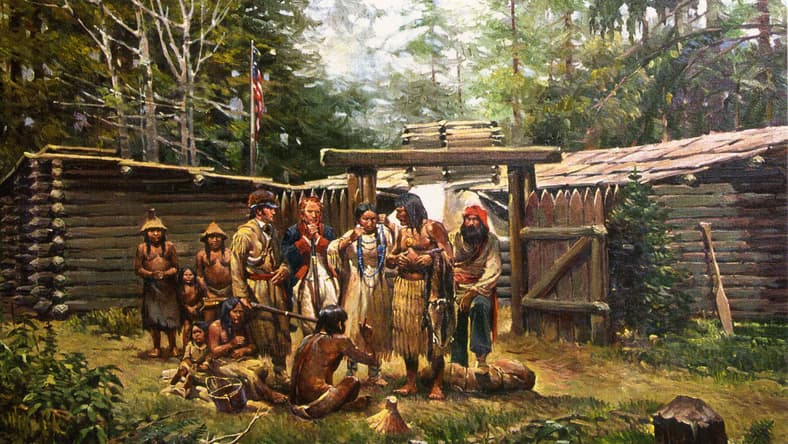
Lewis and Clark’s expedition is often treated like a clean history-book adventure. It wasn’t. The Corps of Discovery dealt with gun accidents, animal attacks, desperate choices, failed gear, and one mystery that still sounds like something from a Twilight Zone episode. Check out some of these wild Lewis and Clark expedition stories below.
Lewis Got Shot in the Butt by His Own Man
Meriwether Lewis was shot on August 11, 1806, while hunting elk with interpreter Pierre Cruzatte near the Missouri River. According to the National Park Service, Cruzatte was near-sighted, and Lewis was wearing buckskin clothing when the shot hit him below the hip. It’s far from ideal camouflage.
TIME reported that Lewis first feared an Indigenous attack when Cruzatte didn’t answer his calls. A search found no attackers, only Cruzatte, who denied shooting him. Lewis later recognized the ball as the kind used in Cruzatte’s rifle.
Here’s a wild extra detail: Lewis had to recover while lying on his stomach as the party moved downriver.
Lewis Was Attacked by a Bear, a Wolverine, and Three Buffalo on the Same Day
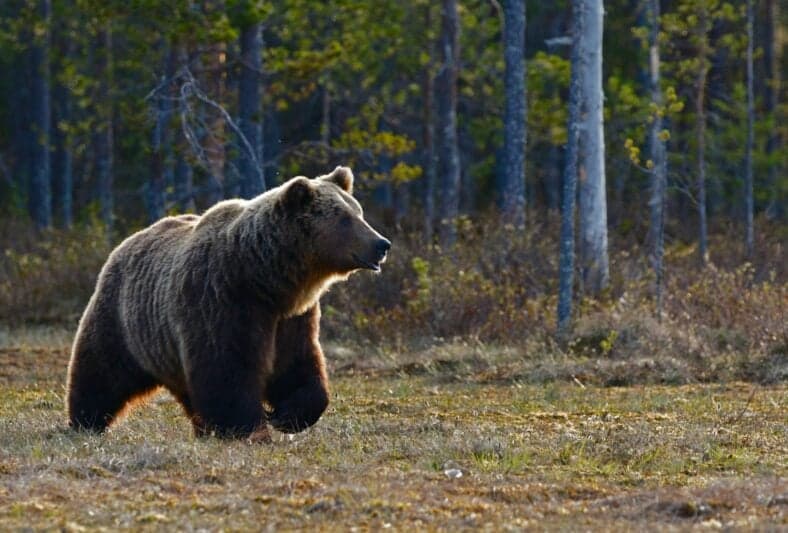
June 14, 1805, was basically Lewis’ bad-luck bonanza day. While scouting near the Great Falls of the Missouri, he was charged by a grizzly bear, faced what he called a “tyger cat,” and then had three buffalo run at him.
The University of Nebraska’s Lewis and Clark journals show Lewis wrote that the neighborhood’s beasts seemed to have made a “league” to destroy him.
TIME also highlighted that the next morning wasn’t much better. Lewis woke up with a rattlesnake near him. I’ve watched enough survival shows to know that this is the point you realize the wilderness might not be for you.
A Rattlesnake Rattle Was Used to Speed Up Sacagawea’s Labor
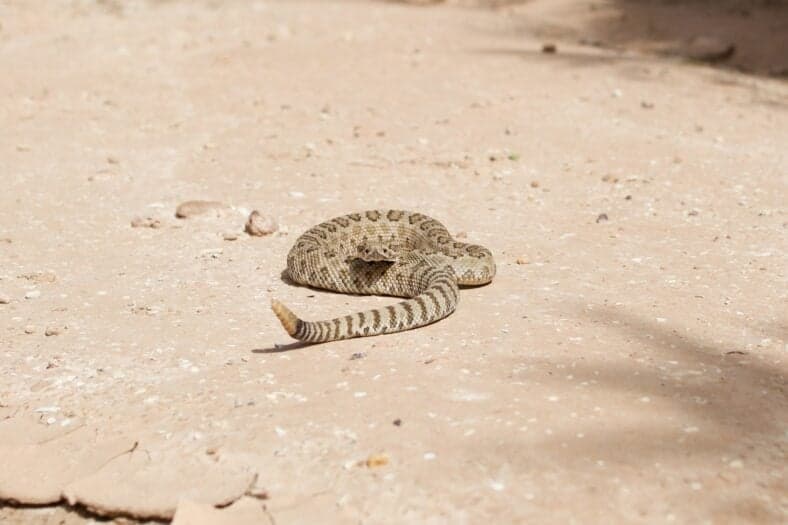
Sacagawea gave birth to Jean Baptiste Charbonneau in February 1805 at Fort Mandan, and the labor was long and painful. The National Park Service states that the only direct clues about the birth come from Meriwether Lewis’s journal, which says part of a rattlesnake rattle was given to help speed childbirth.
According to Lewis-Clark.org, René Jusseaume, sometimes rendered in older accounts as Mr. Jessome, said he had used the remedy before. The rattle was broken into small pieces, mixed with water, and given to Sacagawea. Soon after, she delivered a healthy baby boy. Frontier medicine could be strange, and this account truly is quite odd.
They Stole a Canoe From a Native Chief While He Was Visiting Their Fort
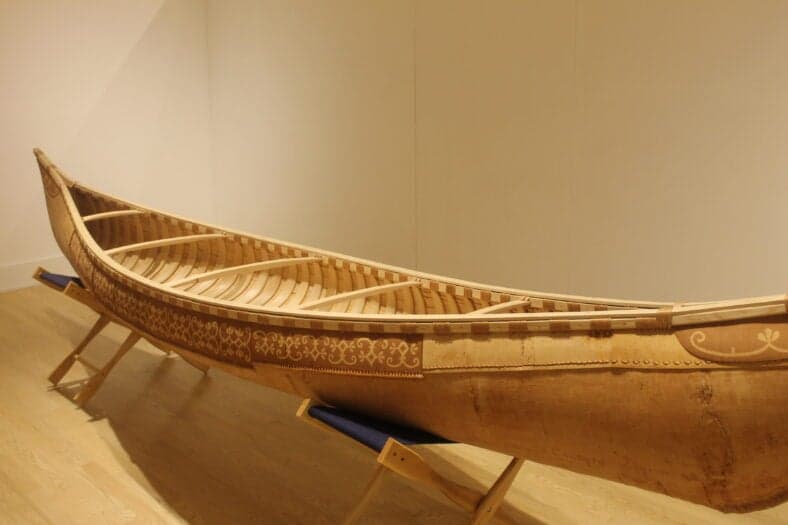
The Corps needed another canoe before leaving Fort Clatsop, but the Clatsop people wouldn’t sell one for what Lewis could afford. The National Park Service highlighted that Chief Coboway had helped the expedition through the winter, traded with them, and was described by Lewis as friendly and decent.
Yet, TIME reported that the expedition stole the canoe while Coboway was visiting their fort. That’s not a charming pioneer anecdote. That’s a calculated theft from someone who had shown them hospitality. Lewis justified it by claiming the Clatsops had stolen elk, but the National Park Service states Coboway had already brought presents to make up for that earlier issue.
The Iron Boat Sank Immediately on Its First Launch
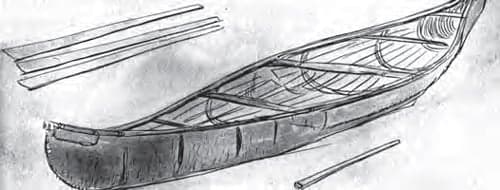
Lewis had big hopes for his iron-framed boat, known as “The Experiment.” The National Park Service explained that the Corps hauled the frame across a huge stretch of the continent, then covered it with 28 elk skins and 4 buffalo skins near the Great Falls.
The alleged problem came down to sealing the seams. With no pine pitch available, they used a substitute mix of charcoal, beeswax, and buffalo tallow. At first, the boat floated “like a perfect cork.” Then it leaked badly and sank. What’s wild is that they carried it a great distance and then Lewis simply abandoned it once it sank.
A Mysterious Booming Sound Echoed From the Rockies and Was Never Explained
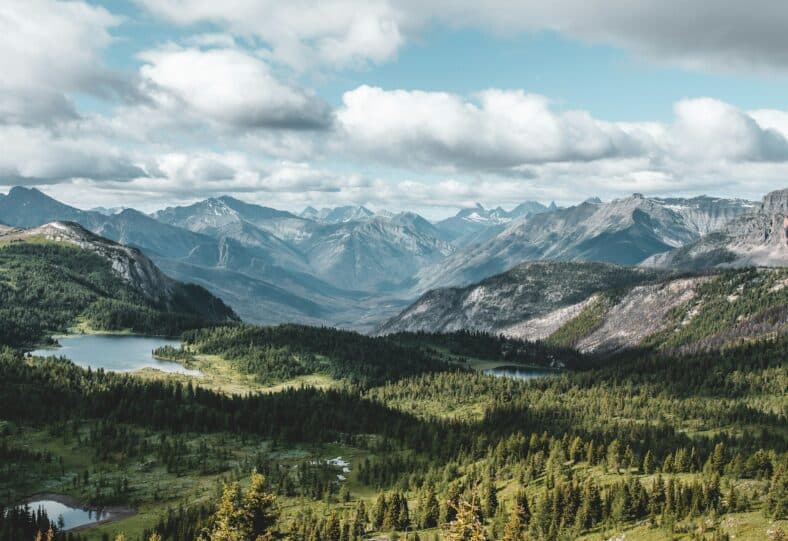
Near the Great Falls in July 1805, the expedition heard cannon-like booms coming from the west. The National Park Service explains that Lewis compared the noise to a distant six-pound piece of artillery, while Clark wrote that they couldn’t account for the cause.
As TIME put it, the sound became one of the expedition’s biggest mysteries. Later theories have included seismic activity, gas eruptions, lake bubbles, or atmospheric effects, but no answer has been proven.
Whenever I read this, it sounds like a Twilight Zone starting point. The only difference is that this was something Lewis and Clark wrote down, and it’s now a footnote in history.