
 Duane Beckett
Military myths spread incredibly fast because service life has its own networks. A story starts in basic training, drifts across barracks, and soon sounds like fact.
These five strange battlefield myths are odd, dark, and weirdly persistent. Some may have a tiny piece of truth to them, while others are pure military folklore.
Rich People and Sole Sons “Safe from War”

A lot of U.S. troops and draftees believed certain men were simply protected from service. Allegedly, rich people were supposedly too wealthy to be kept in uniform, and only sons were thought to be safe from the draft.
Military.com reported that the “rich people aren’t allowed in the military” myth stuck around even though wealthy Americans, including Jimmy Stewart and Pat Tillman, served.
The only-son belief was also bigger than the real rule. The Selective Service System lists a “sole surviving son” classification only for specific families where a parent or sibling died due to U.S. military service, or was captured or missing, and states it applies to peacetime exemption.
The Ether Bunny in Basic Training

The Ether Bunny myth was one of those stories recruits passed around like it was part of training. It claimed that a trainee in basic training was caught doing bizarre things with ether in the barracks. Nobody could pin down the unit, the base, or the year. That vagueness helped it travel.
According to Military.com, the tale followed the classic “your roommate heard from a guy in another unit” pattern, with someone swearing a cousin’s basic-training roommate had seen the Ether Bunny.
I love odd military lore, but this one feels like barracks campfire material. It was believed by recruits and young service members because the strange battlefield myths sounded just specific enough to be real.
The Notch in a Soldiers Dog Tag

World War II dog tags had a notch, and troops created a horrific myth to explain why it was found on dead soldiers. The myth said medics placed the notched tag between a dead soldier’s teeth, then kicked the mouth shut so the tag stayed with the body. It’s incredibly grim and, more importantly, not true.
Military.com reported that troops often speculated about the notch and that the story got dark quickly. The real reason was much less dramatic. The notch helped align the tag on the embossing machine used to imprint it.
Soldiers believed the darker version because battlefield death already came with fear, confusion, and awful possibilities.
The Flagpole “Survival Kit” for Overrun Bases
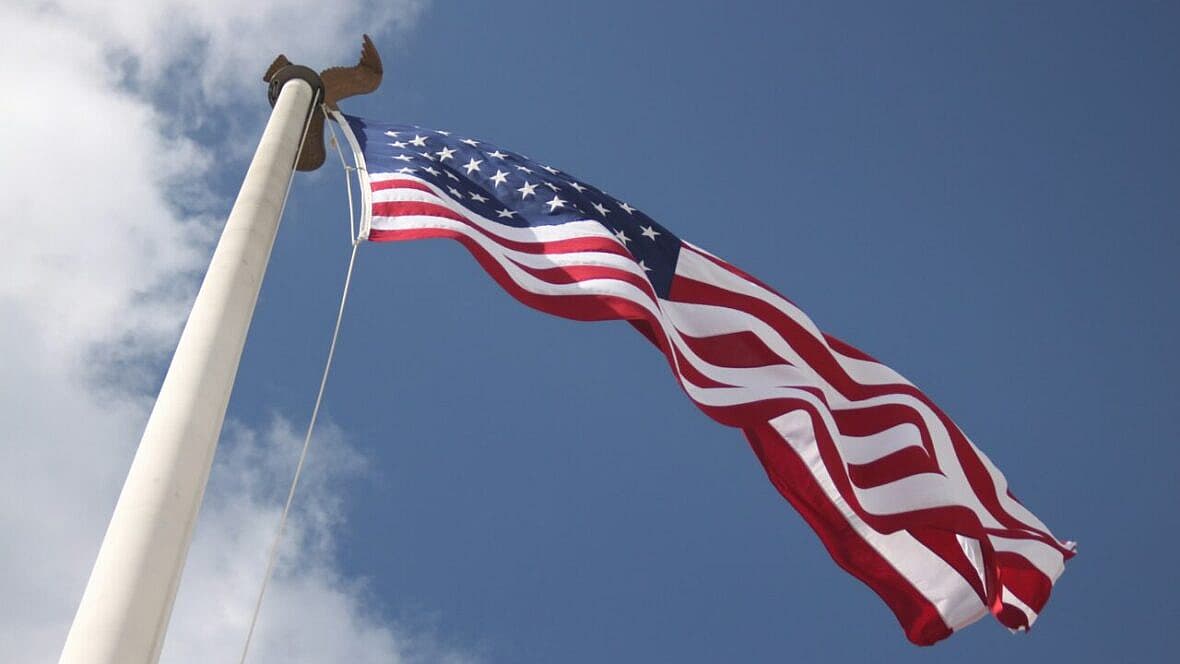
One of the weirdest myths involved the ball at the top of a base flagpole, also called the truck. Many U.S. service members believed it held a tiny emergency kit for when the base was overrun. Depending on who told it, the kit had a razor, a match, a bullet, rice, and a penny.
Military.com reported that the legend came with instructions. Troops were supposedly meant to cut up and burn the flag, use the rice for strength, and use the penny to blind attackers. That’s where it gets strange. Picture someone climbing a flagpole during an enemy assault for a survival kit. It sounds patriotic but massively impractical.
.50-Caliber Bullets “Illegal Against People”
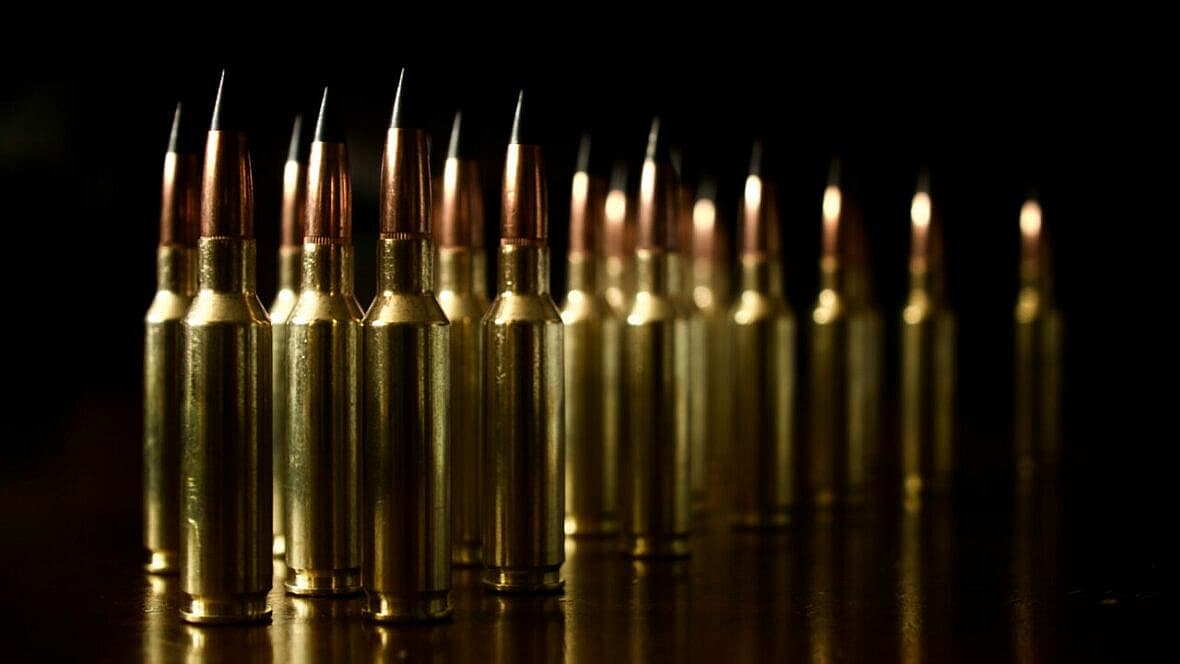
Plenty of American infantry troops heard that .50-caliber machine guns were illegal to fire directly at people. The workaround sounded official enough to those questioning the legality. The workaround was to aim at the belt buckle, aim at the backpack, aim at the vehicle, but don’t say you aimed at a person.
As Military.com put it, the myth claimed the Geneva Convention banned the .50-cal against enemy personnel, so troops were supposedly trained for “off-label uses.” Military.com also found that neither the belt-buckle version nor the “near miss can kill” version was true.
This was believed by ground troops because it sounded like battlefield law. The strange part is the fake legal loophole: shoot the gear, not the guy.