
 Duane Beckett
Most people know Prohibition helped fuel bootlegging culture, moonshine runners, and even the roots of NASCAR. History.com reported that moonshine helped shape early stock car racing, but that’s only the famous part. These lesser-known Prohibition-era stories are far more shocking, often darker, and somehow true.
The Government Deliberately Poisoned Its Own Citizens
In 1926, U.S. Treasury Department chemists made industrial alcohol more dangerous because bootleggers kept stealing it, redistilling it, and selling it as drinkable liquor.
TIME reported that the new denaturing formula included methanol, pyridine bases, and benzene, making illegal booze far more deadly. New York City Medical Examiner Charles Norris publicly condemned the policy after poisonings mounted.
National Geographic states that more than 10,000 Americans died from tainted alcohol by the time Prohibition ended in 1933.
Congress Had Its Own In-House Bootlegger for 10 Years
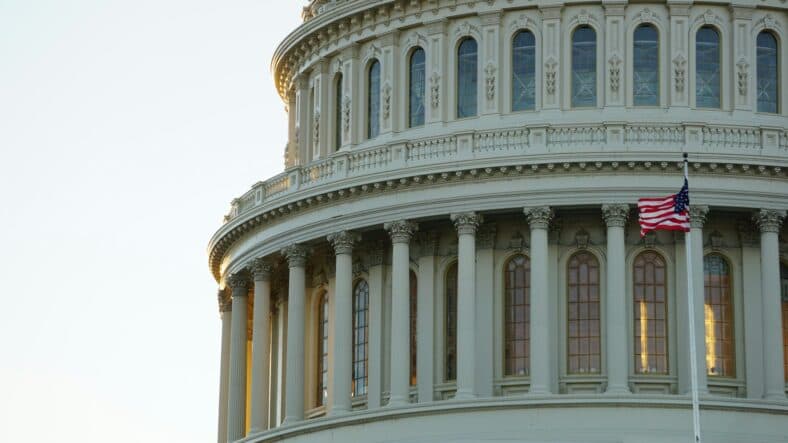
Between 1920 and 1930, George Cassiday, better known as “The Man in the Green Hat,” supplied liquor to the same lawmakers enforcing Prohibition on everyone else.
According to the U.S. Senate, Cassiday was a World War I veteran who made about 25 deliveries a day to House and Senate offices, usually carrying bottles in a large leather briefcase. Capitol Police recognized his emerald hat and let him through.
In 1930, agents arrested him in the senators’ parking lot with six bottles of gin. He later claimed he helped at least 80 percent of lawmakers break the law.
The U.S. Navy Solved Its Booze Ban With a Floating Ice Cream Factory

Long before Prohibition began in 1920, the U.S. Navy banned alcohol on ships in 1914. That made sailors look for a different morale boost, and, unbelievably, ice cream filled the gap.
Atlas Obscura states that Prohibition helped turn ice cream into a national craze as Americans shifted from bars to soda fountains. The strangest Navy result came later, during World War II, when the service used refrigerated concrete barges as floating ice cream factories.
The U.S. Naval Institute found that these barges produced about 1,500 gallons a day.
Pharmacy Chain Walgreens Exploded From 20 to 400 Stores Selling “Medicinal” Whiskey
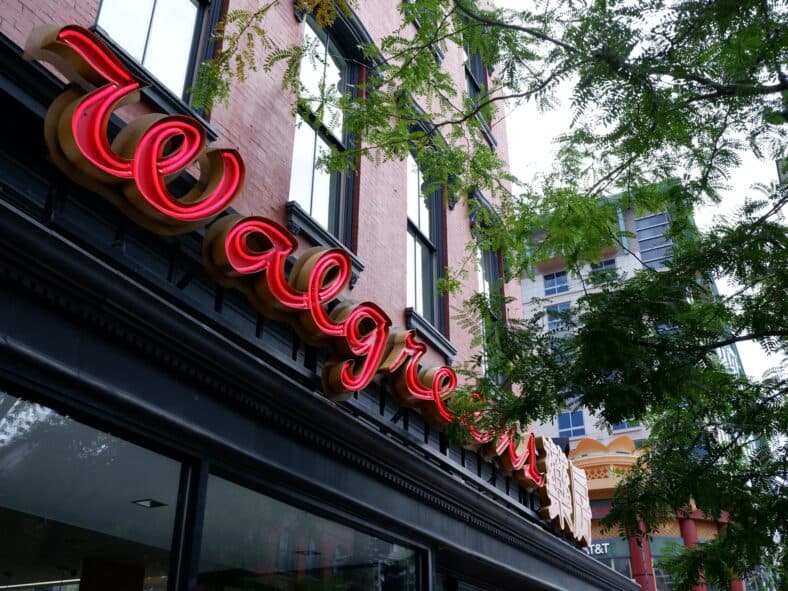
Walgreens became one of the great Prohibition-era stories with a loophole in history. From 1920 to 1933, doctors could prescribe liquor, and pharmacists could sell it, even though the country was supposedly dry.
The Mob Museum states that patients could get up to one pint of liquor every 10 days with a Treasury-regulated prescription. Walgreens grew from 20 stores in 1920 to 525 by 1929, while the company credited its rise to management and milkshakes.
Dutch Schultz Buried a Fortune and Took Its Location to the Grave
By 1935, Arthur “Dutch Schultz” Flegenheimer was one of New York’s most notorious Prohibition-era gangsters, with money tied to bootlegging and numbers rackets.
The New Yorker found that legend places his hidden fortune near Phoenicia, New York, in the Catskills, where Schultz supposedly buried cash, diamonds, gold, and bonds in a steel box before he was killed.
Estimates vary, but the rumored treasure has been valued in the tens of millions today. Treasure hunters still chase the story around Esopus Creek. It’s all very Indiana Jones, only with tax charges, mob violence, and one less whip.
Rum Row: A Floating Black Market Just 3 Miles Offshore That the U.S. Couldn’t Touch
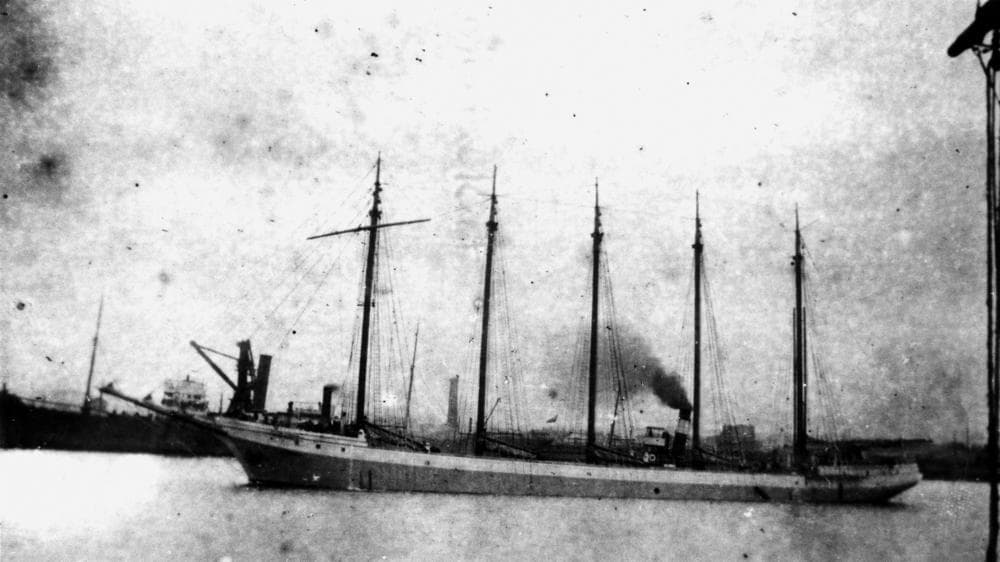
Rum Row was Prohibition’s offshore shopping lane. In the early 1920s, Caribbean and European rumrunners anchored liquor-loaded ships just outside the three-mile limit of U.S. territorial waters.
Information from the U.S. Coast Guard shows enforcement was limited by that boundary, and by 1922 officials counted hundreds of mother ships hovering off American shores. The National Archives states that foreign ships sitting on Rum Row were protected by international treaty.
In 1924, new agreements let the Coast Guard search suspicious vessels farther out, roughly within one hour’s sailing distance. Until then, it was a floating black market in plain sight.