
 Duane Beckett
Civil War prison sites are places where soldiers waited, starved, froze, got sick, and often never went home. Some are now national parks, cemeteries, or museums. All five of these haunted Civil War prisons have dark histories, carry ghost stories, and can still be visited today.
Andersonville Prison, Camp Sumter, Andersonville, Georgia (1864-1865)
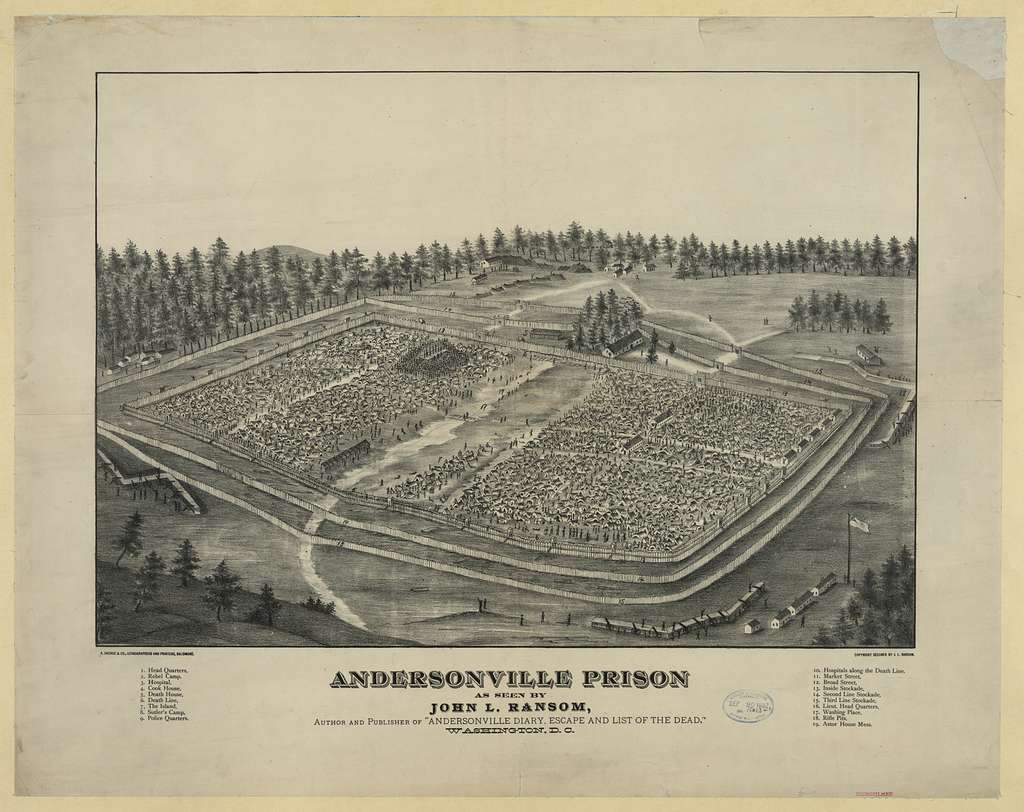
Andersonville was the nightmare prison that is often mentioned among lists of the worst prisons ever. According to the National Park Service, about 45,000 Union soldiers were held there during its 14 months, and nearly 13,000 died from disease, poor sanitation, malnutrition, overcrowding, or exposure.
The prison site, cemetery, and National Prisoner of War Museum are open to visitors today. I’ve seen enough war documentaries to know when a place earns its reputation. This one did. Ghost stories tied to Andersonville often mention sorrowful energy, shadowy soldiers, and cries near the old stockade and cemetery.
Point Lookout Civil War Prison Camp, Scotland, Maryland (1863-1865)
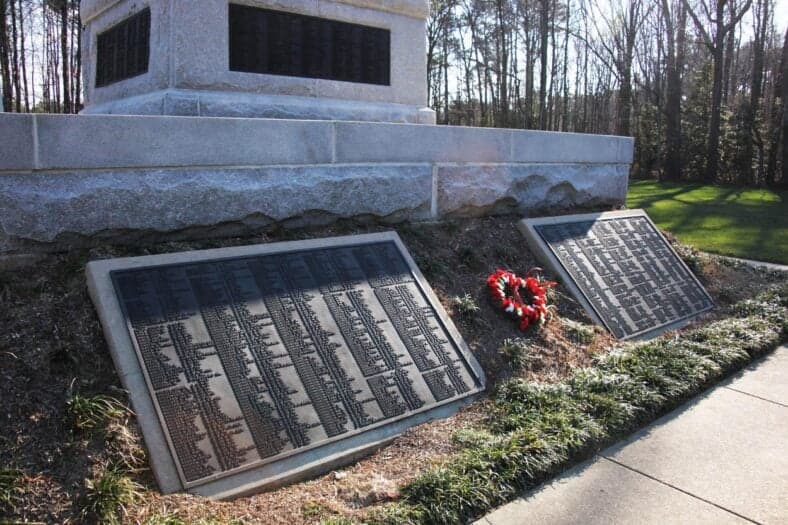
Point Lookout sat on a lonely, windswept peninsula, which already sounds like the start of a horror movie. Maryland’s Department of Natural Resources states that Confederate prisoners were sent there after Gettysburg, and around 50,000 men were held there between 1863 and 1865. Nearly 4,000 died from exposure, disease, and starvation.
Ghost stories include that of a gaunt Civil War-era figure crossing the road near the former hospital area, while Maryland DNR also shares Point Lookout’s ghost lore through its “Spirits of Point Lookout” material. The state park remains open to the public and is one of several haunted Civil War prisons you can check off your bucket list.
Fort Delaware, Delaware City, Delaware (1862-1865)
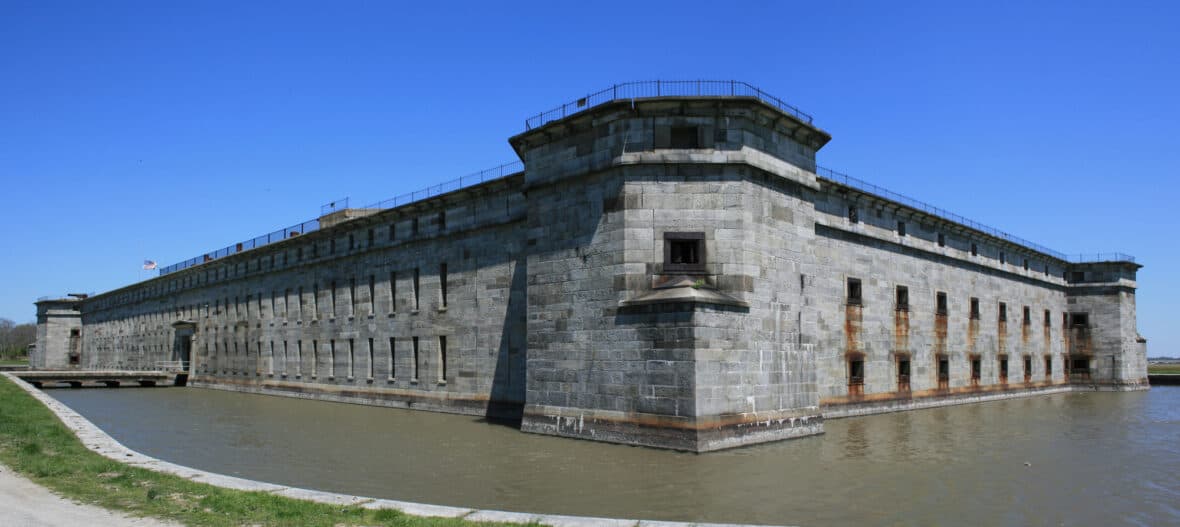
Fort Delaware looks like the setting for some dystopian movie, with its island fortress reached by ferry. American Battlefield Trust states that about 33,000 prisoners passed through Fort Delaware during the war, and more than 2,400 died there.
Delaware State Parks says the fort is still open by ferry, with public tours available. Its ghost reputation is strong, too. ABC30 reported that paranormal tours led by Diamond State Ghost Investigators include stories of footsteps, shadow figures, and a ghostly woman called Susan in the kitchen, which is oddly specific.
Castle Morgan, Cahaba Federal Prison, Old Cahawba, Alabama (1863-1865)
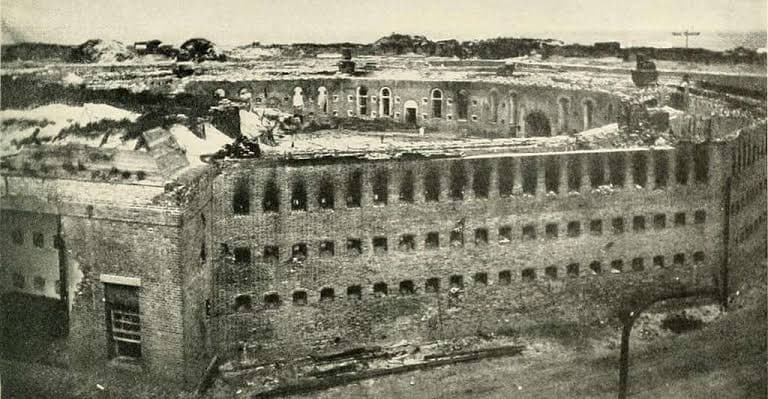
Castle Morgan was built in Alabama’s former capital, which later became one of the South’s best-known ghost towns. Encyclopedia of Alabama states that Cahaba Federal Prison, also called Castle Morgan, held Union prisoners and at one point packed more than 3,000 men into less than a third of an acre. The prison had disease, flooding, and crowding.
The Black Belt News Network reported that Old Cahawba’s Haunted History Tours include Castle Morgan, with paranormal investigators calling the prison site “very active.”
Camp Chase, Columbus, Ohio (1861-1865)
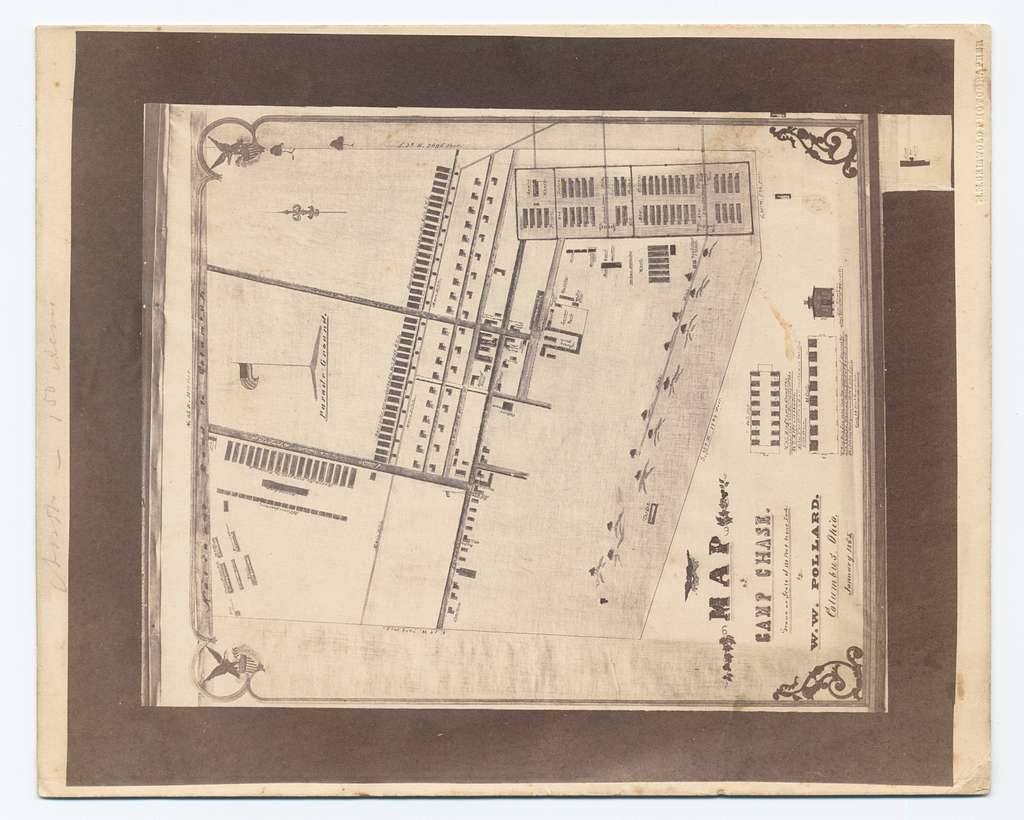
Camp Chase suffered from overcrowding, smallpox, and poor conditions, with many Confederate prisoners buried there. According to the National Park Service, the site is open daily in Columbus, Ohio.
Local legends say the “Lady in Gray” visits the cemetery, often tied to the grave of Benjamin Allen. It’s sad, simple, and exactly the kind of story that sticks with ghost hunters and those who enjoy strange history and haunted Civil War prisons.