
 Amelia Andriacco
Though most people want to avoid prison at all costs, some guests never leave. Many historical buildings attract tourists due to their fascinating features and interesting history. Prisons are no exception. These particular prisons not only host visitors, but they have also housed permanent residents for centuries. Tourists may not just learn about the inmates, but also meet them in person. Here are the 6 most haunted prisons in the world.
6. Shepton Mallet Prison
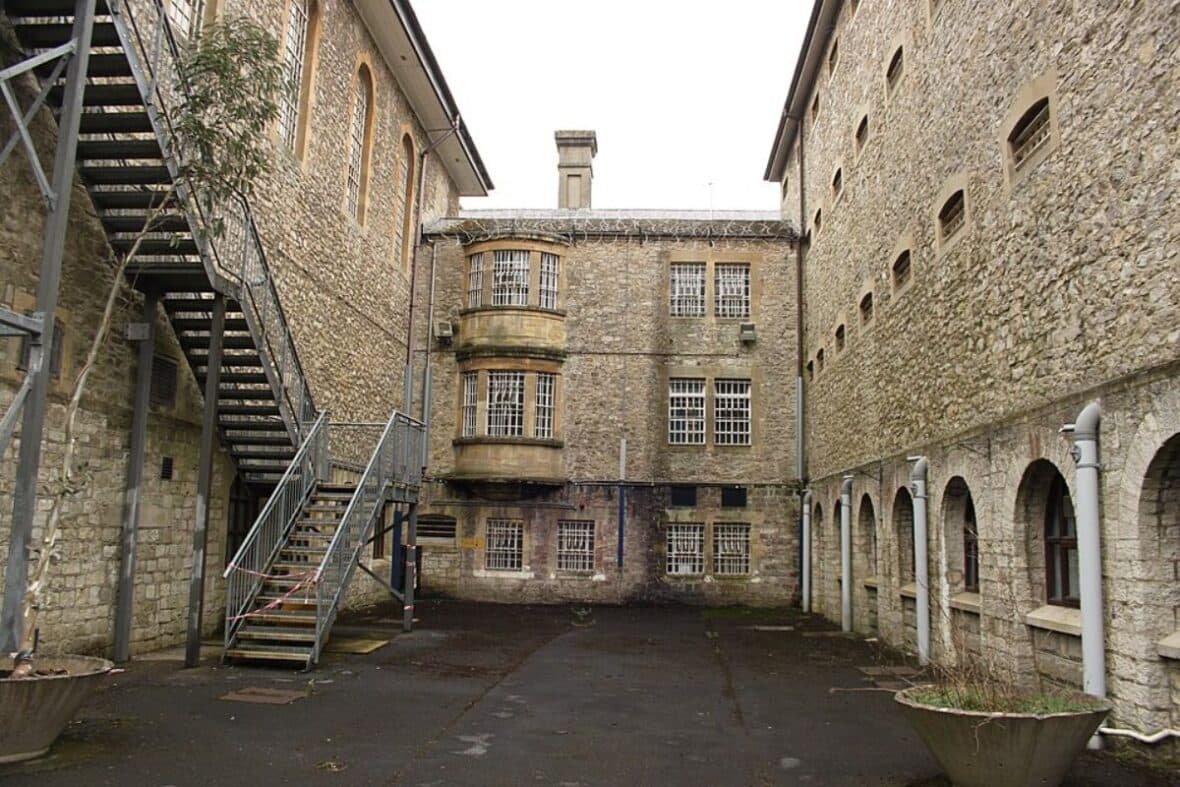
This haunted prison opened in 1646, making it the oldest operating prison in England until it closed in 2013. The 189 prisoners it held were often exposed to harsh conditions. At one point, three inmates died of carbon monoxide poisoning. Unexpected deaths, as well as executions, may have led to the haunted rumors. The most famous ghost sighting is of the White Lady.
This ghost was once a prisoner who supposedly killed her fiancé and was sentenced to execution. The evening before her execution, she asked for her wedding dress to be brought to her. After wearing it to sleep, she was found dead in her bed the next morning.
The White Lady and her ghostly friends have reportedly appeared countless times over the years, paying visits to employees and visitors. Shepton Mallet Prison is no longer in operation, but ghost tours are available every Thursday, as well as occasional 12-hour overnight stays. The tour is supported by historical stories, leaving visitors with an informative yet creepy experience.
5. Patarei Prison
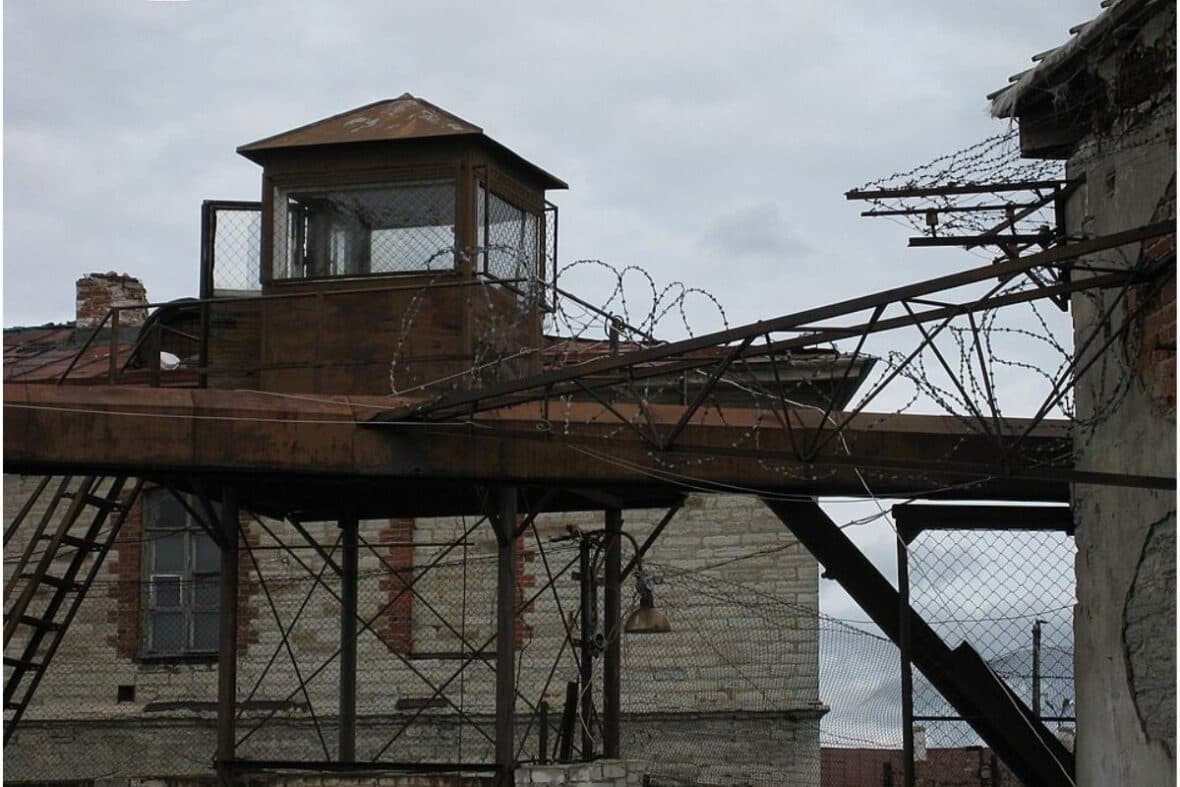
With the history of this prison, it’s unsurprising that it would be deemed haunted. Patarei Prison was home to those who opposed the Soviet regime’s totalitarian rule, while Nazi’s turned it into a concentration camp. Though these prisoners wanted to escape the torturous, inhumane conditions, some people say they never really left the prison walls.
Visitors have experienced objects moving on their own, doors slamming shut, and eerie whispers. One guard recounted his experience hearing footsteps behind him, but turning around to find no one there. As he continued walking, he felt a hand on his shoulder, followed by sinister laughter.
Patarei Prison has seemingly endless accounts of ghoulish encounters. A team of ghost hunters shared an incident where all their equipment turned off amid a ghost hunt. When it turned back on, everyone had been inexplicably separated into different rooms.
For those who are brave enough, guided ghost tours are offered.
4. Port Arthur Historic Site
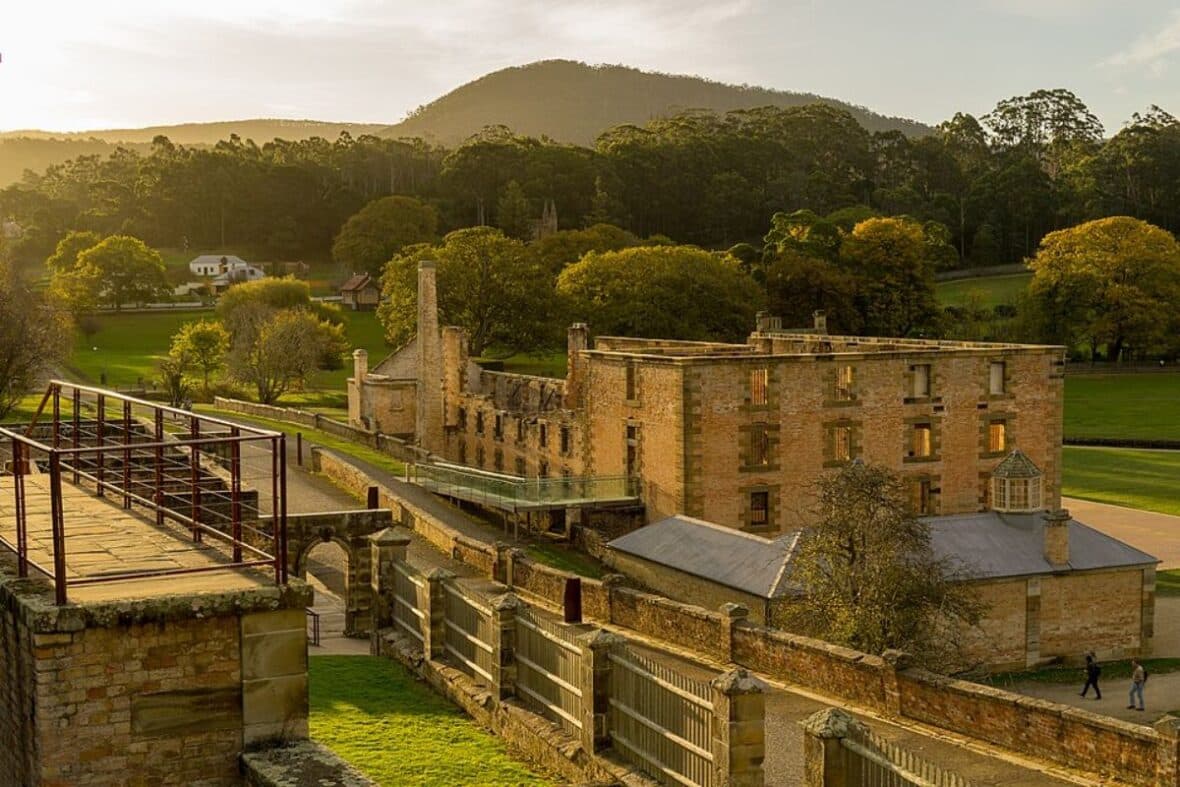
For those who were repeat lawbreakers, uninfluenced by the punishment of other prisons, Port Arthur became their home. From 1830 to 1877, numerous prison and medical records showcase the psychological torture that inmates experienced.
Prisoners were forced to wear hoods so they could not recognize one another; they were forbidden to speak or make eye contact; and they were denied any form of human connection.
Doctors recorded the results, including hallucinations, psychosis, nervous collapse, and permanent mental damage. The intentional psychological harm makes this former prison a breeding ground for ghost stories. Visitors have reported feeling uneasy, panicked, and feeling as though they are being watched.
3. Kilmainham Gaol
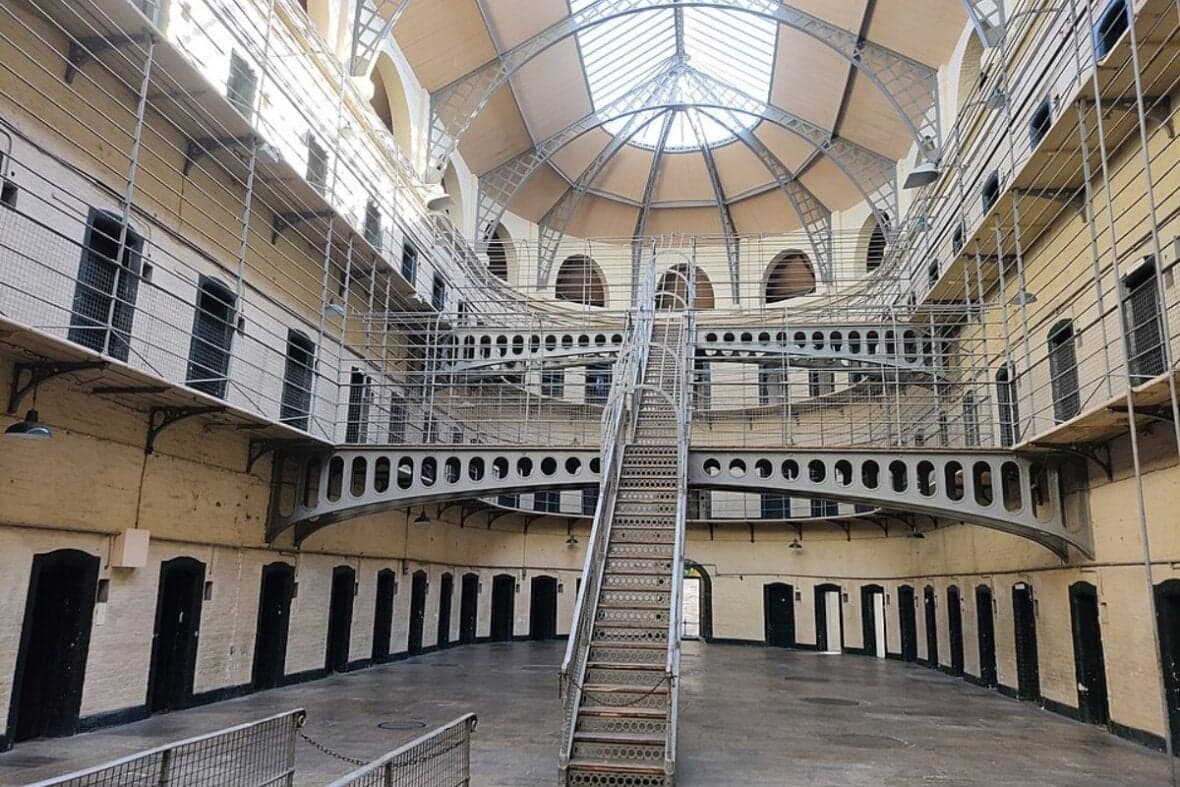
Kilmainham Gaol housed many prisoners: perhaps too many. Due to overcrowding, men, women, and children as young as seven were placed together. Even small children imprisoned for stealing food may have been placed with grown men convicted of murder.
The overcrowding problem became even more prominent when people started trying to be imprisoned. Food was so scarce that the unhygienic prison was worth the small ration of food they were given.
For more serious crimes, the death penalty was issued. The death and inhumane conditions associated with the prison make it reasonable to believe that ghosts might haunt the building.
After restoration efforts turned the once-abandoned building into a museum, visitors experienced inexplicable unseen forces. There are reports of disembodied voices and footsteps, and in one instance, a worker being slammed into a wall and pinned there by a gust of wind.
2. Ohio State Reformatory
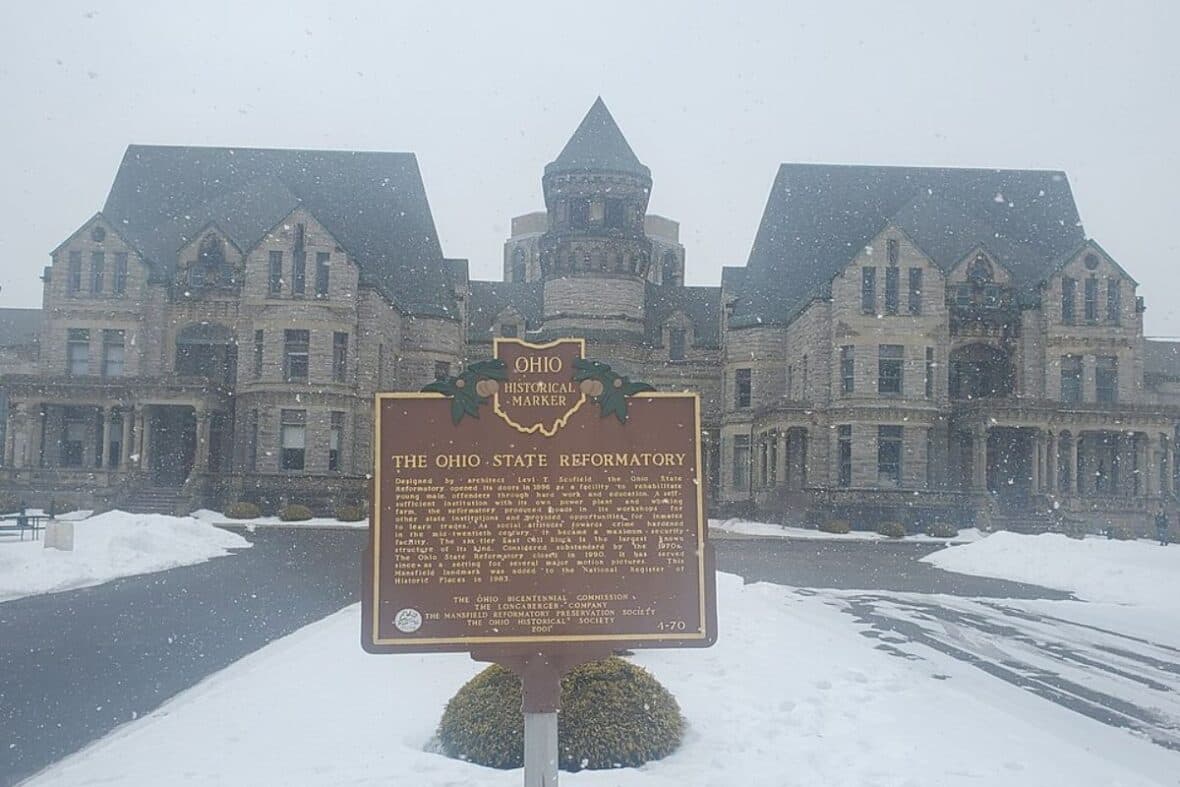
Ohio State Reformatory, also known as Mansfield Prison, started well-intentioned. It was designed as a spiritually uplifting atmosphere for young men serving time for their first offense. The atmosphere and lessons they learned were supposed to reform them.
Due to the size of the prison, however, it became home to many hardened criminals when the demand for space increased. Instead of helping young prisoners grow away from a life of crime, the prison aimed to punish hardened criminals. Water hoses, sweatboxes, and solitary confinement were used to torture prisoners. They also faced violence and infectious diseases.
After reopening the building for tours and museum experiences, rumors of hauntings began to circulate. Visitors experience unexplained noises and paranormal sightings within the prison walls. Whether it is former inmates, neglected prisoners in the medical wing, or the prison nurse who was killed by inmates, the Ohio State Reformatory is known to house unwanted visitors.
1. Eastern State Penitentiary
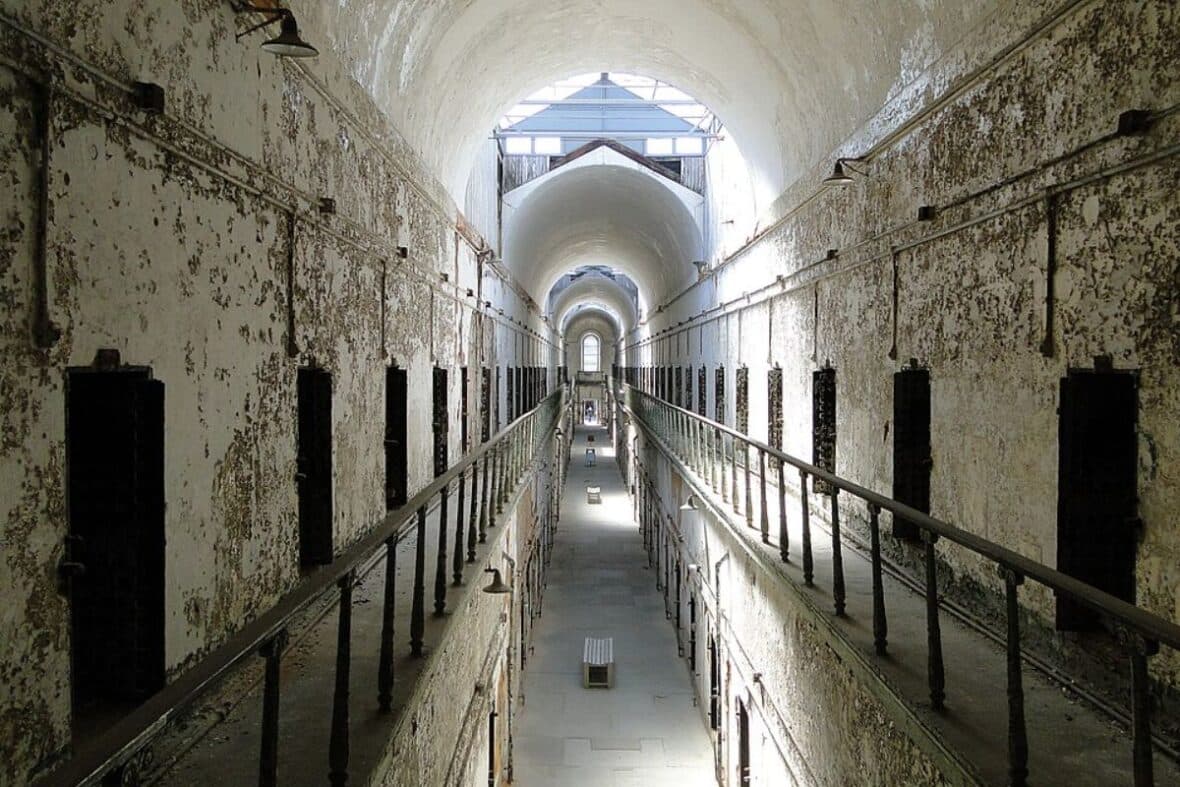
Inmates in this prison were forced into solitary confinement for 23 hours a day. They were not permitted to see or speak to other inmates and were limited to guards as their only form of human contact. Though this is seen as torture today, the creators genuinely believed it would be beneficial.
The creators of this system truly believed solitary confinement would lead to reflection and positive growth. Today, this is seen as a form of torture as it can lead to hallucinations and irreversible mental damage.
The torturous history of this prison has led to modern-day hauntings, according to investigators. Moving objects, shadowy figures, apparitions, and disembodied voices have all been reported. One worker reported seeing tormented faces materialize on a cell wall, before being approached by a shadowy figure.
Though it would make a great tourist attraction, the building remains in ruins today.