
 Duane Beckett
The War of 1812 is sometimes called America’s forgotten war. It ran from 1812 to 1815, pitting the young United States against Britain, Canada-based forces, and Native allies. The American Battlefield Trust states that it was the first large-scale test of the republic on the world stage. Not exactly a small sequel, and more like a messy second chapter that proved the country could survive. Below are five forgotten War of 1812 battles that helped shape not only the war, but America itself.
Battle of Detroit (Surrender of Detroit)
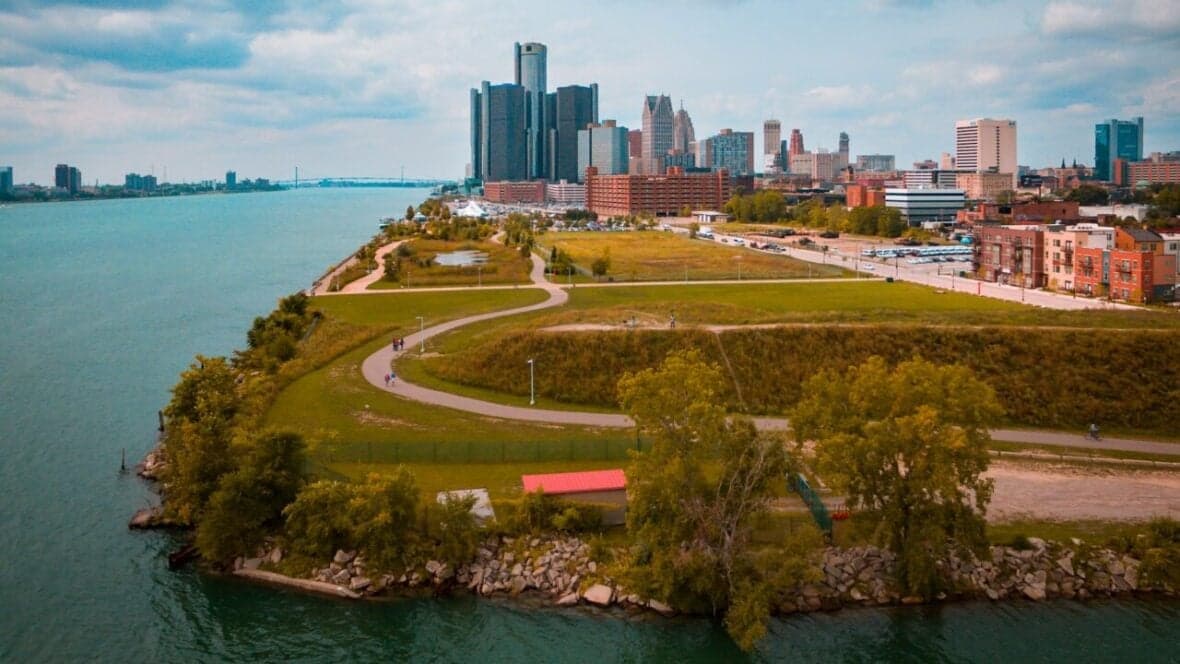
Detroit fell on August 16, 1812, in the Michigan Territory, after Brig. Gen. William Hull faced British troops under Isaac Brock and Native warriors led by Tecumseh.
According to the World History Encyclopedia, Brock used extra campfires, repeated troop movements, and psychological pressure to make his force look larger than it was. Hull surrendered without a major fight.
This loss exposed weak U.S. frontier leadership and gave Britain control of a key western post. It also shocked Americans into taking the war more seriously, especially the fight for the Northwest.
Battle of York (Capture of York)
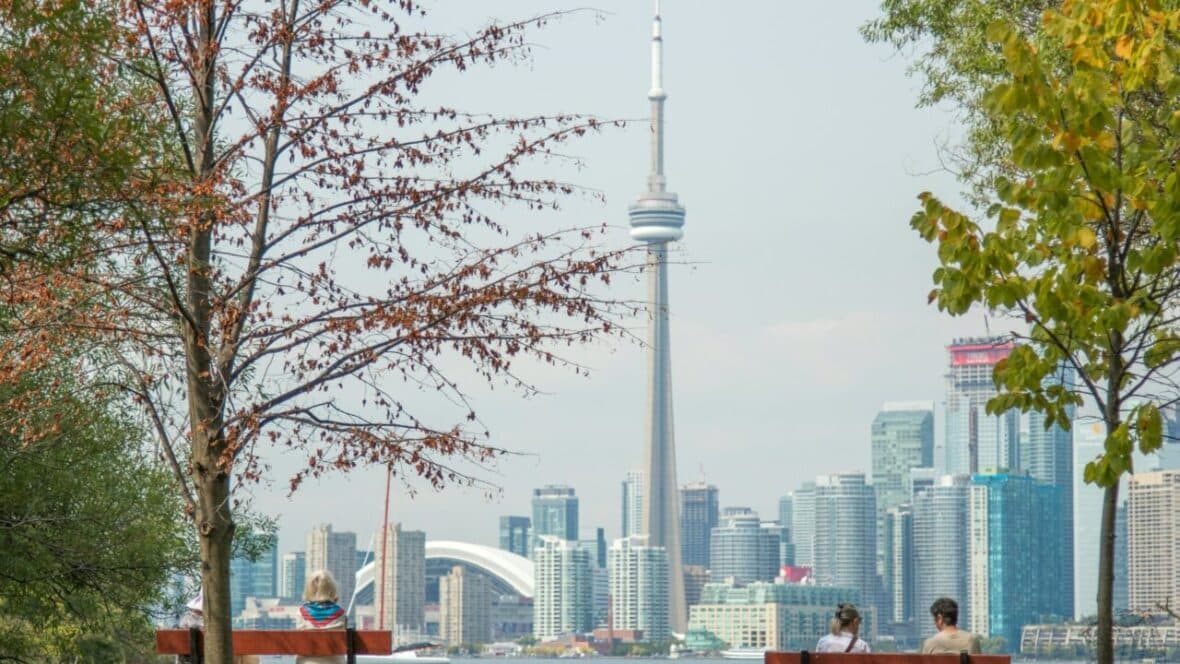
York, now Toronto, was attacked on April 27, 1813, by U.S. troops and sailors under Henry Dearborn, Isaac Chauncey, and Zebulon Pike.
The World History Encyclopedia states that American forces defeated British, Canadian, and Ojibwe defenders and captured the capital of Upper Canada. Then came the ugly part. A British powder magazine exploded, killing and wounding many Americans, and U.S. troops later burned public buildings.
The American Battlefield Trust reported that this destruction was later repaid when British forces burned Washington, D.C. in 1814. It showed the war could hit capitals, symbols, and national memory.
Battle of Lake Erie

Lake Erie changed the western war on September 10, 1813, near Put-in-Bay, Ohio. Master Commandant Oliver Hazard Perry fought British Capt. Robert Barclay in a fierce naval battle.
U.S. Naval History and Heritage Command states that Perry’s victory helped American commanders move supplies by water in the Old Northwest. The National Park Service adds that Perry left the battered Lawrence, rowed to the Niagara, renewed the attack, and captured Barclay’s squadron. I still think that sounds like an epic scene from a movie, more so than real life, showcasing the forgotten War of 1812 battles.
The win helped the U.S. recapture Detroit and proved the Navy could shape the war, not just survive it.
Battle of Lundy’s Lane
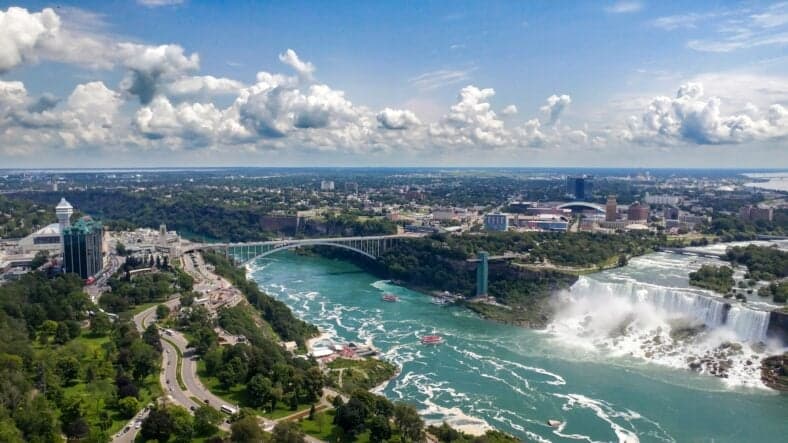
Lundy’s Lane was fought near Niagara Falls in Upper Canada on July 25, 1814. U.S. forces under Jacob Brown and Winfield Scott clashed with British troops under Gordon Drummond.
The American Battlefield Trust highlights that the United States was again trying to push into Canada after earlier success at Fort Erie and Chippawa. The fighting dragged into the night, with brutal close-range combat and heavy losses.
The battle was inconclusive, with more than 1,700 estimated casualties. It shaped early America by showing that Canada would not be easily taken, making a status quo peace look more realistic.
Battle of New Orleans

New Orleans came last for the forgotten War of 1812 battles, on January 8, 1815, outside the city along the Mississippi River. Andrew Jackson’s mixed force included regulars, militia, free soldiers, frontiersmen, Choctaw fighters, sailors, marines, and Jean Lafitte’s privateers.
The American Battlefield Trust adds that Jackson’s hastily assembled army defeated a larger veteran British force under Edward Pakenham. Census.gov highlights that British losses topped 2,000, while American losses were just 62.
The treaty had already been signed in Ghent, but word had not arrived. So the battle did not change the peace terms. However, it did change the feeling, with Jackson becoming a national hero, and America walked away with a greater sense of confidence.