
 Nikole Stewart
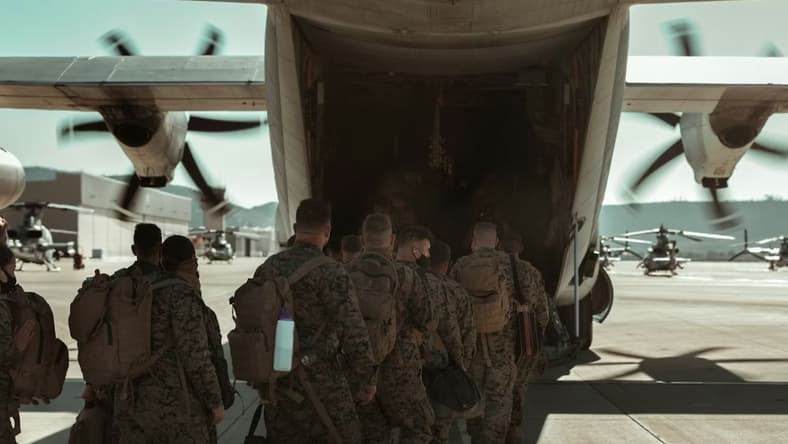
Knowing when to keep fighting and when to draw back is vital. Throughout history, commanders have stood out for making smart retreats. These famous retreats have gone down in history as stellar strategic moves, as they gave forces time to regroup, strengthen, and strategize. Let’s dive through history to cover some of these brilliant retreats.
5. The U.N. Retreat of Chosin Reservoir
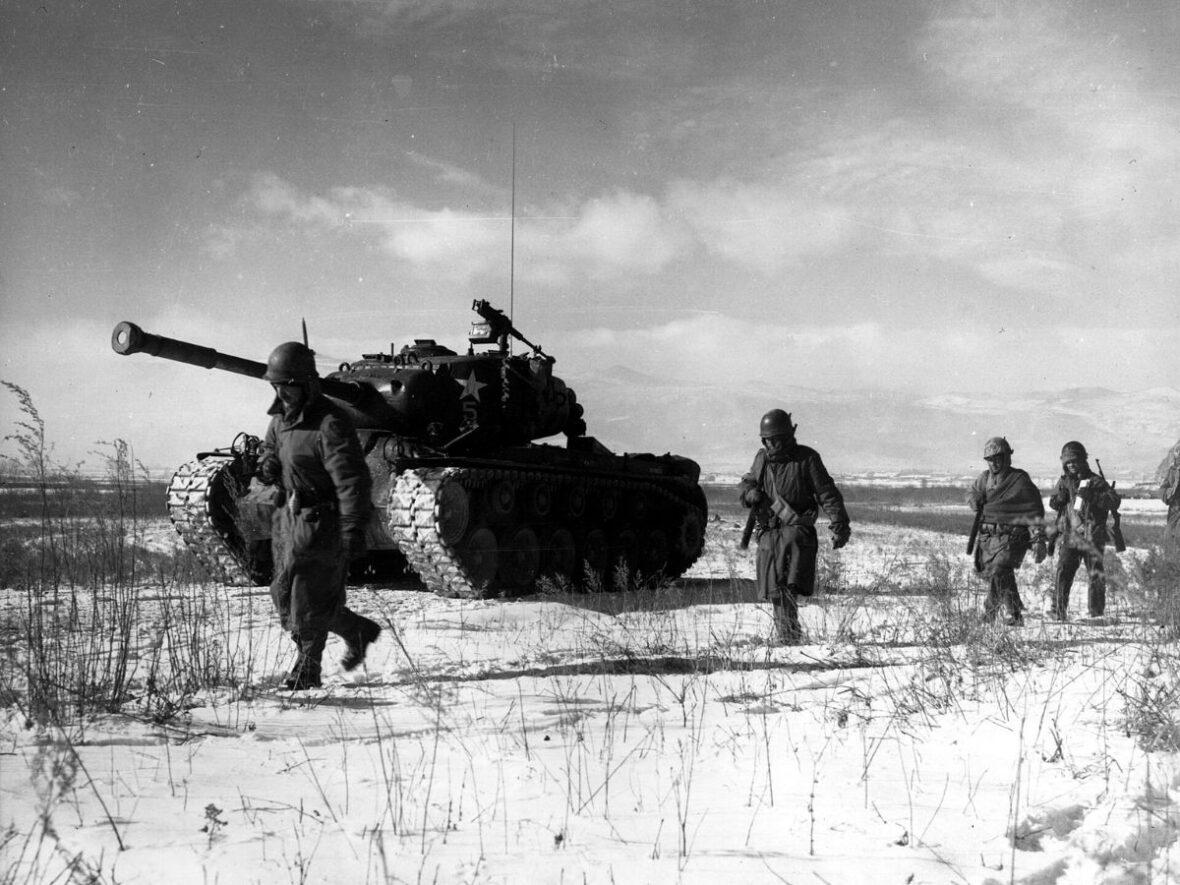
According to Major General Oliver P. Smith, they weren’t actually retreating; they were just “advancing in a different direction.” However, the U.N. retreat from the Battle of Chosin Reservoir is one of the most famous retreats in history. The United Nations made a 78-mile fighting withdrawal along muddy mountains.
This was due to the U.S. Marines, Army Troops, and British Royal Marines being ambushed and surrounded in November 1950 by a larger Chinese army. They began a two-week trek to the seaport of Hungnam, all while enduring arctic conditions, where temperatures dropped to 34 degrees below zero, and battling the Chinese at various places like Hell Fire Valley and Funchilin Pass.
4. Evacuation of Gallipoli
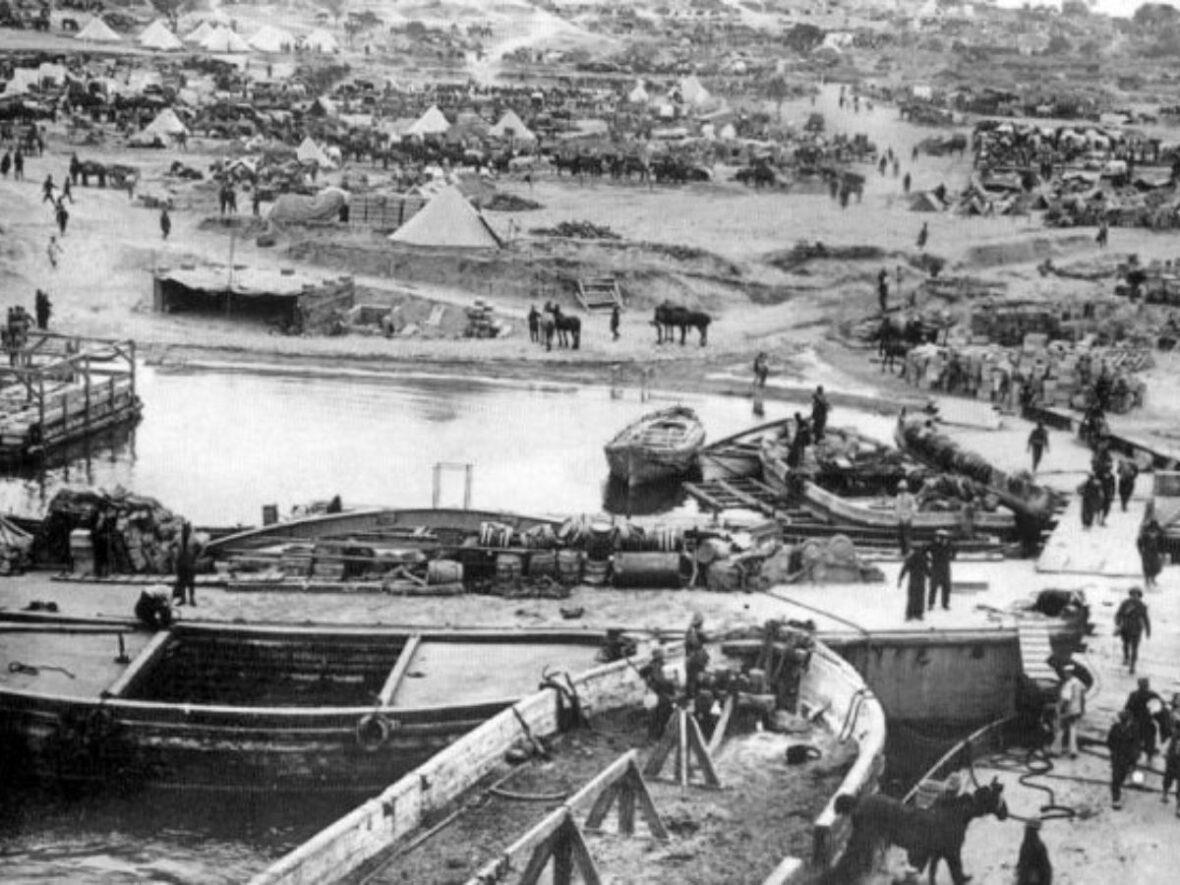
During World War I, British, Australian, New Zealand, and French forces worked on a large-scale invasion of the Ottoman Empire in Turkey. At the Gallipoli Peninsula, the attack almost immediately devolved into trench warfare as the invasion came to a halt.
The failed invasion made the Allies evacuate their troops in December 1915. The evacuation was disguised to dissuade the Ottomans from pursuing them with self-firing guns and fires, allowing 35,000 men to evacuate.
3. Mao Zedong’s Long March
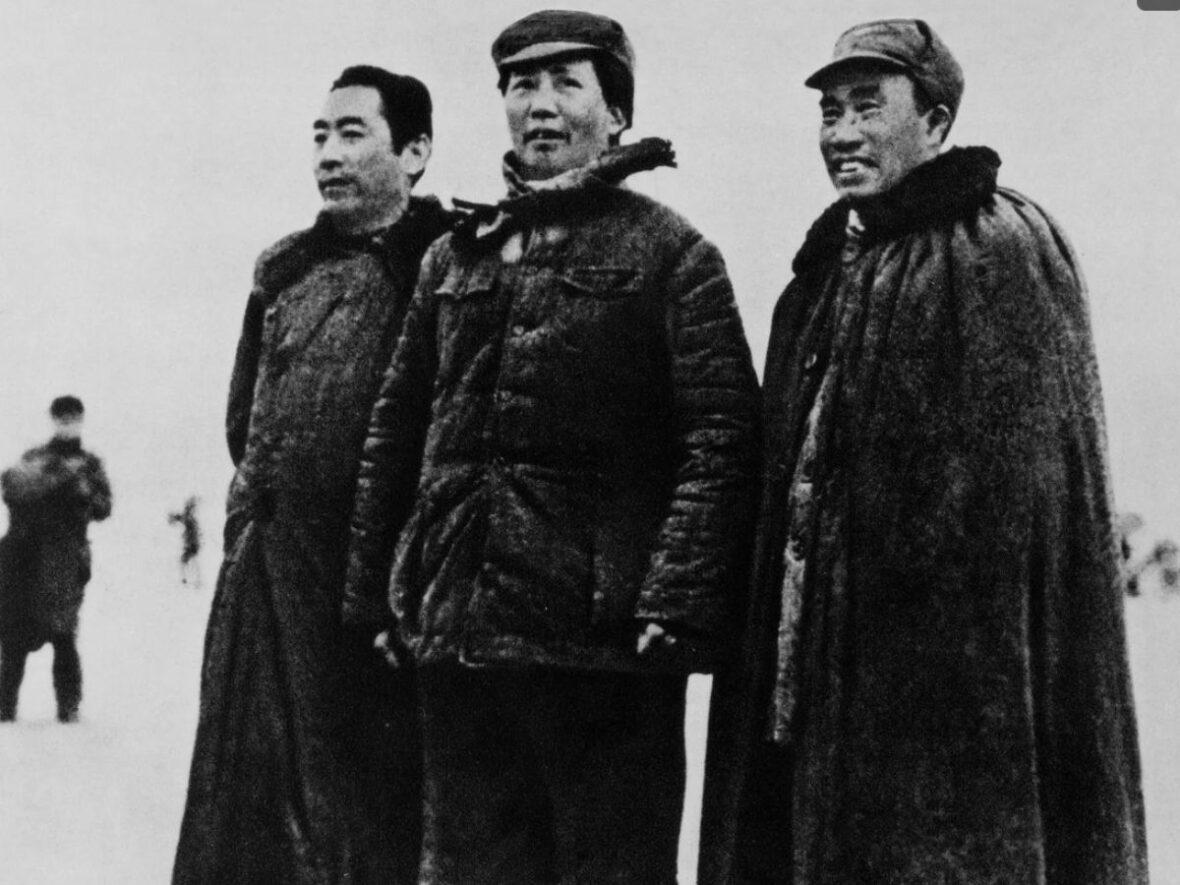
The “Long March” is one of the most famous retreats in history and began in October 1934 when the First Red Army became trapped at its base in Jiangxi Province. The future party leader of the Chinese Communist Party, along with 86,000 other Communists, broke out of the situation and fled west.
While retreating, the group had to dodge ground attacks and bombings from the Nationalist forces under Chiang Kai-shek. Unfortunately, nearly half of the Red Army was annihilated in a matter of weeks, but the survivors kept fighting for a full year while dealing with starvation and disease.
2. George Washington’s Escape from New York
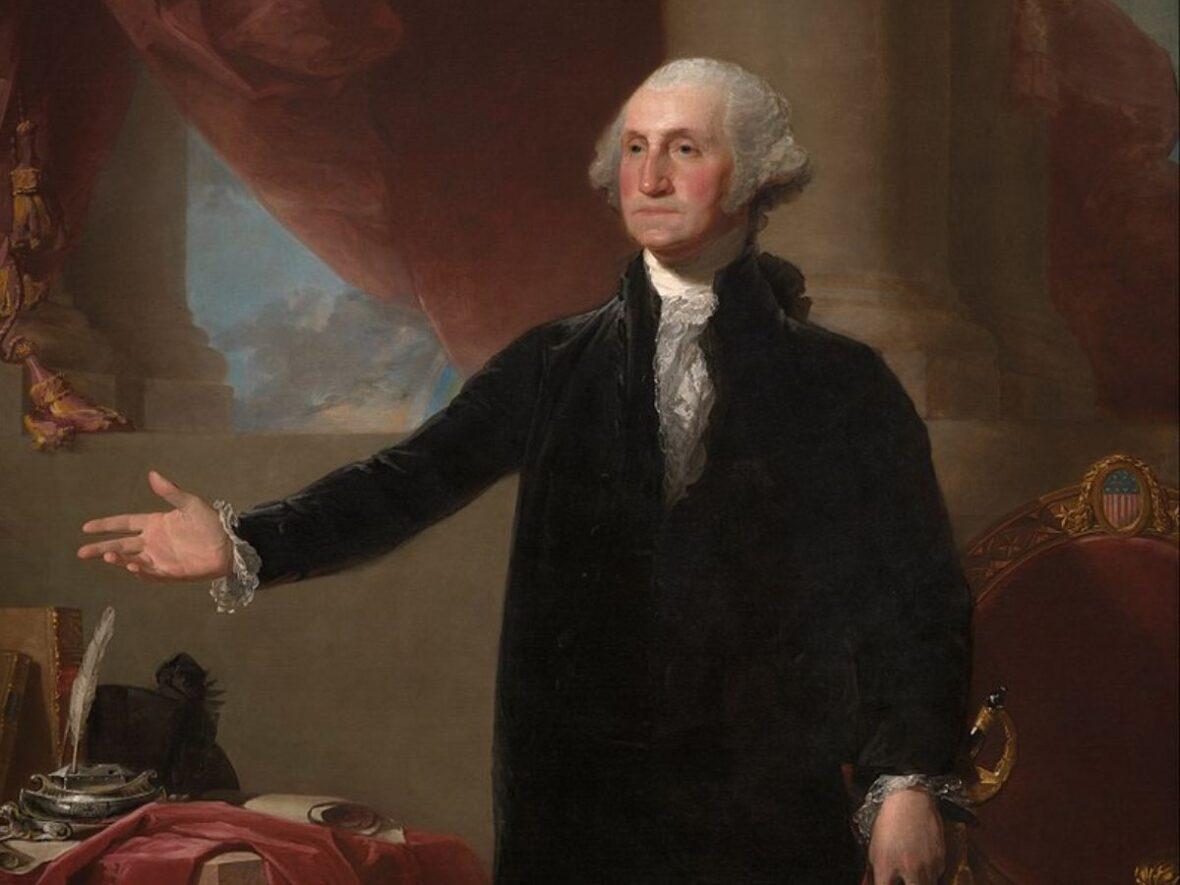
Only two months after signing the Declaration of Independence, General George Washington’s Continental Army was fighting for its life during the American Revolutionary War. Washington relocated his army to New York because it was a valuable port, and the British began amassing thousands of soldiers on Staten Island to attack Long Island, pushing American forces back.
On the night of August 29, Washington mounted a retreat across the river to Manhattan, ferrying men over to the East River. Thanks to smart maneuvers that kept them quiet, Washington moved all of his 9,000 men across the river without losses.
1. The Dunkirk Evacuation
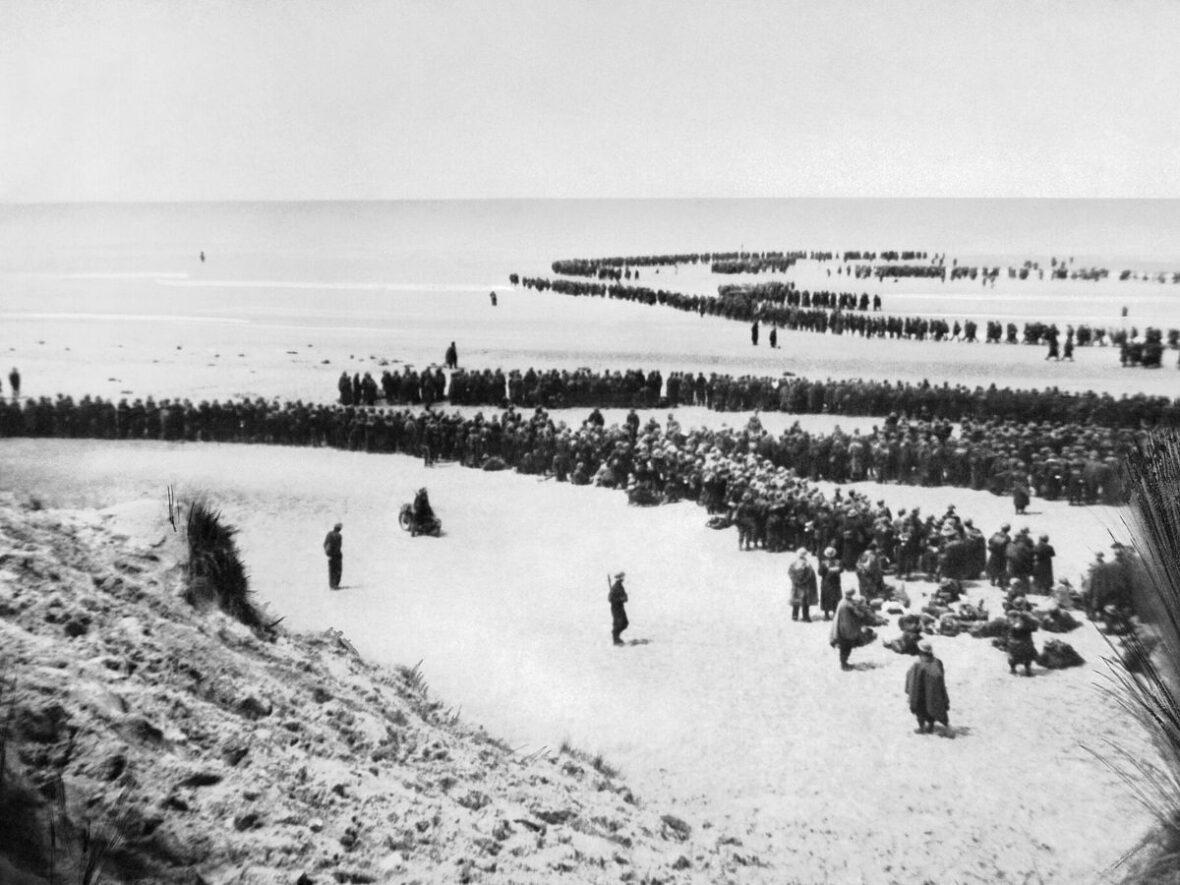
One of the most famous retreats, so famous that it earned a movie in 2017, the Dunkirk Evacuation is one of the most brilliant retreats, as well as the largest. In 1940, with Nazi forces racing through Europe, Britain sent in its British Expeditionary Force to France to help stop German advancement.
Unfortunately, they were soon pushed back onto the beaches of Dunkirk. With the Allies backed up against the sea, Germany had the opportunity to finish them, but Hitler ordered his forces to halt.
The British used this time to mount the largest sea evacuation in history. As the French held off the Germans, Britain assembled a fleet of 900 ships, fishing boats, private boats, ferries, and steamers to move their men back to Britain. In nine days, the Allies evacuated 338,000 troops.