
 Nikole Stewart

Curses might sound like something straight out of a fiction novel or movie, but there are actually some curses throughout history that have become extremely well-known. While there might not be actual factual evidence of curses, they’re everywhere. So what are the most famous curses in history? And we’re not talking about that sports team that had a string of losses. Let’s dive in and learn about historical curses.
4. The Curse of Macbeth

When someone says “break a leg,” it’s not just a random phrase that actors say. In theatre, it’s bad luck to wish someone good luck, so instead, they offer the opposite in hopes of good luck. And apparently, it’s also bad luck to say the word “Macbeth” except during a performance of the Shakespeare play. But why?
Supposedly, this is due to the historically befallen production of the play. The legend seems to start with Max Beerbohm, a British cartoonist and critic born in the 1870s. Apparently, he made up a story that the first actor cast to play Lady Macbeth died right before the play’s opening night. Since then, the story has only grown, and while a curse isn’t real, the superstition is still around.
3. The Hope Diamond Curse
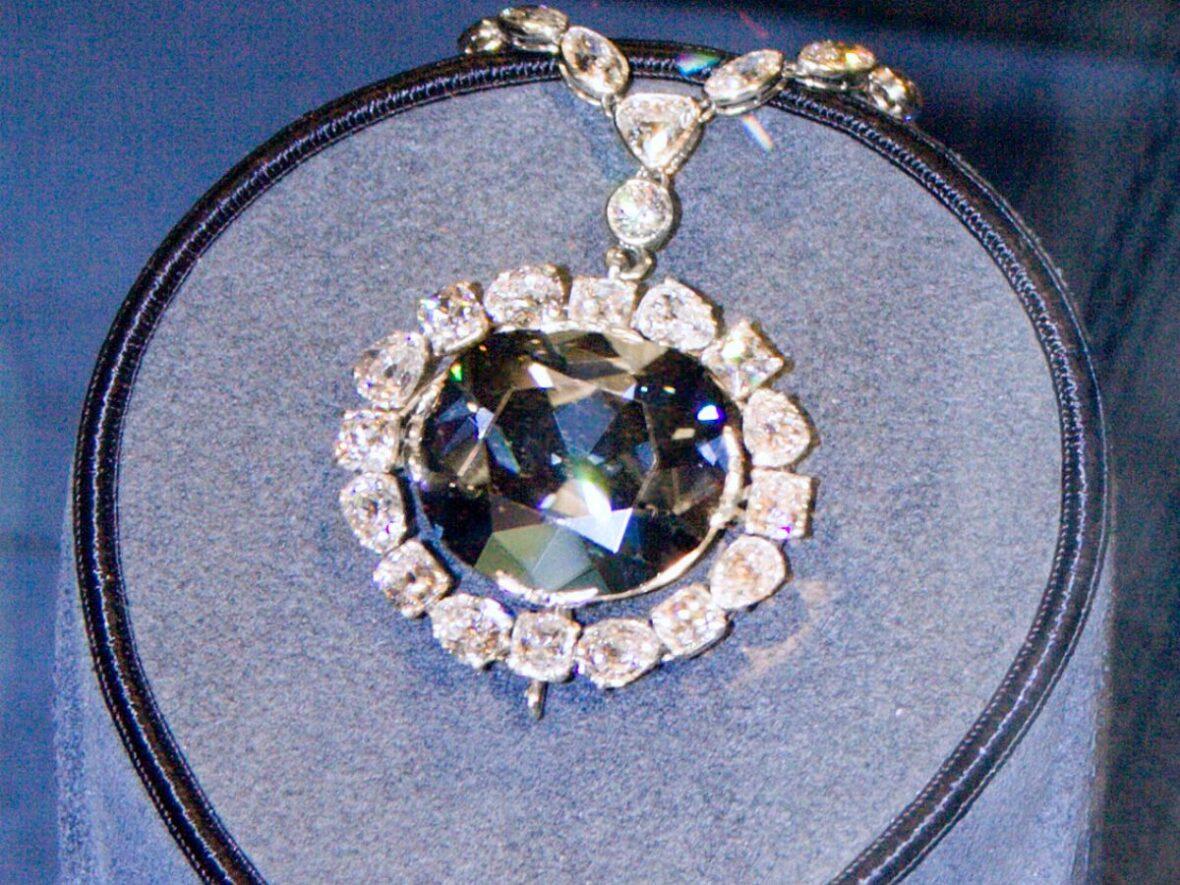
A jewel having one of the most famous curses in history might sound bizarre, but the Hope Diamond is one of the most well-known stories. In the 1660s, French gem dealer Jean-Baptiste Tavernier purchased a large diamond of unknown origin during a trip to India. By the 20th century, a myth had sprung in the United States and Europe that the dealer had stolen the diamond from the statue of a Hindu goddess. From there, the story spread through newspapers and jewelers, claiming that it was cursed and would bring bad luck.
In 1839, the diamond ended up with Henry Philip Hope, a Dutch collector based in London, and therefore recieivng it’s modern name. However, a French jeweler, Pierre Cartier, said he used the cursed stories to enhance its value when selling it to American heiress, Evelyn Walsh McLean, in the early 1910s; however, she died, and it went to a U.S. jewelry company that donated it to the Smithsonian Institution.
2. The Curse of the Polish King’s Tomb
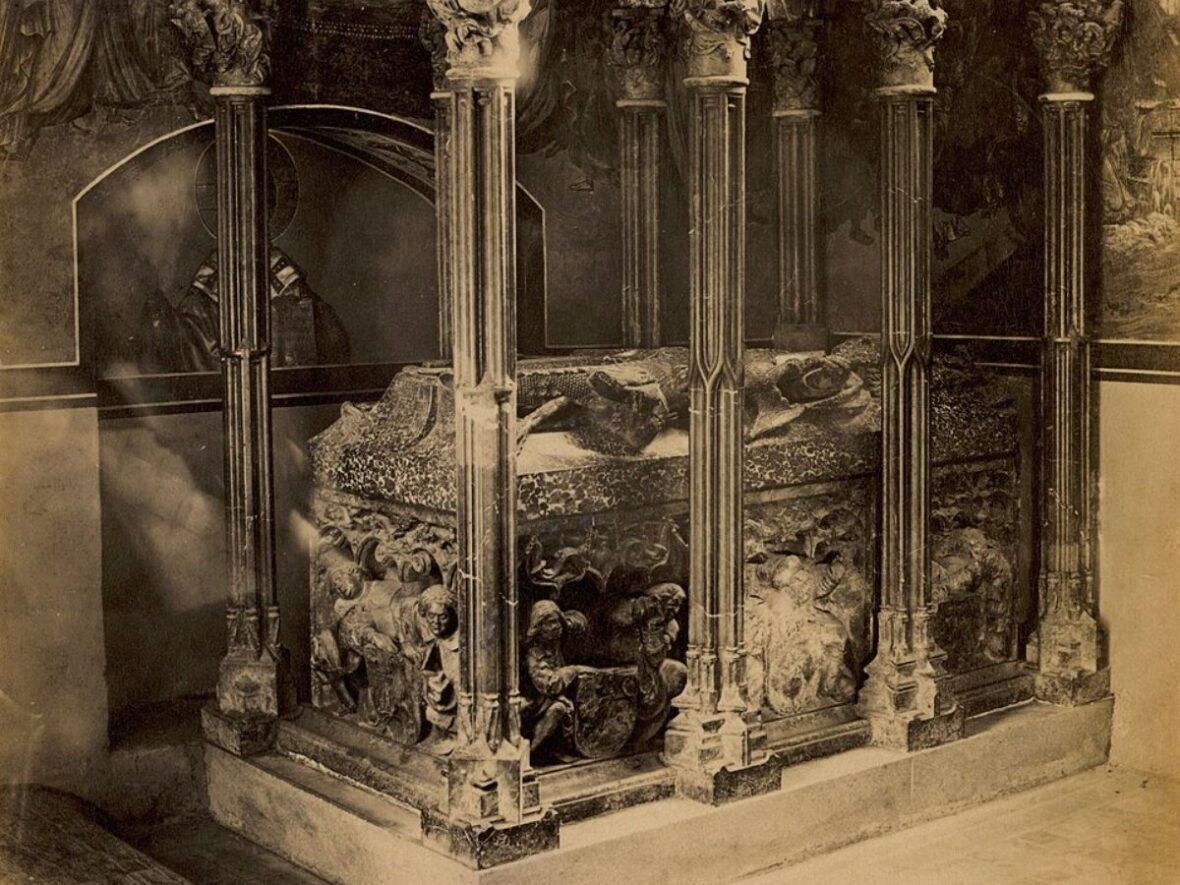
In 1973, a group of archaeologists opened the 15th-century Polish King Casimir IV Jagiellon’s tomb in Poland. And because of the curse from King Tut, which will be talked about next, the media was engrossed in the story. Newspapers started to joke that they were going to get cursed again, with the risk of opening the tomb.
However, after opening the tomb, members began to die shortly after, and some media outlets once again speculated that it was due to a curse. Experts eventually traced deadly fungi in the tombs, which caused lung illnesses and eventual death.
1. King Tut’s Curse
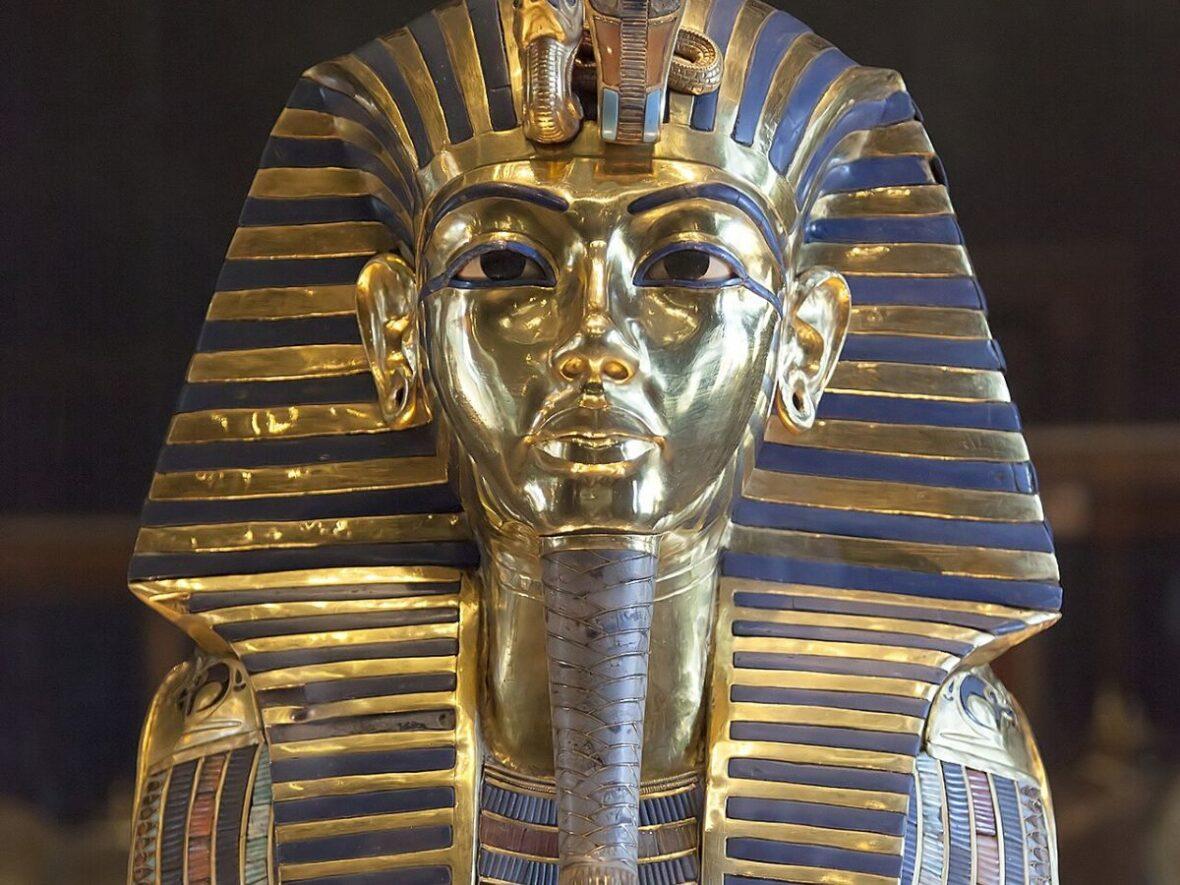
Lastly, one of the most famous curses in history is yet another tomb site. A British archaeological team opened the tomb of Tatnkhamun, or King Tut, in 1923. King Tut was an Egyptian pharaoh during the 14th century B.C. Two months later, when the team’s sponsor died from a bacterial infection, the newspaper claimed he died from a King Tut curse. Unfortunately, other members of the team started to die, and the media dredged up the curse again.
But this wasn’t the first time that digging up famous mummies offered ‘curses.’ After the Titanic sank in 1912, some newspapers went as far as to start a conspiracy theory that the ship sank due to a mummy curse. Because of this, the media started to follow this, producing stories like The Mummy (1932).