
 Duane Beckett
Human history is packed with odd ideas about the body. Some sound like horror movie logic, others shaped real medicine for centuries, and a few were believed until surprisingly recently. You may even hear three of these weird beliefs about the human body repeated today by friends or family. I still believed one of them myself, which makes this list even weirder.
Hair and fingernails keep growing after death

For a long time, people believed hair and fingernails kept growing after death. A creepy old-school monster-sort of belief. The idea stuck around because a dead body can make nails and hair look longer as skin dries out and pulls back.
ScienceDaily reported that a 2007 BMJ review included this myth among common medical beliefs that were either unproven or false. UAMS Health explains that the real cause, dehydration shrinks the skin and soft tissue while the hair and nails stay the same length. So the “growth” is an optical illusion, not a post-death body function.
We only use 10% of our brains
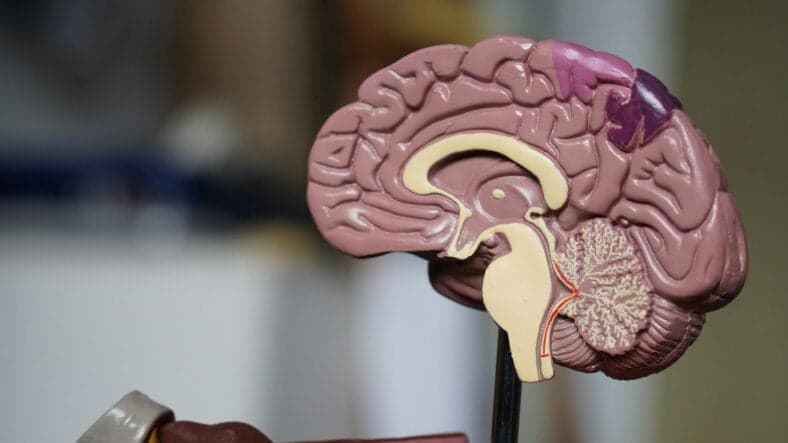
The 10% brain myth was one of the great 20th-century confidence tricks. It claimed that most of the brain sat unused, waiting for people to unlock hidden power. You can almost hear the movie trailer voice.
ScienceDaily reported that this belief likely spread through self-improvement circles in the early 1900s, then kept rolling through pop culture for decades. Brain scans have since made the idea look silly. MRI, PET, and other imaging work show no large dormant brain zones, and damage to almost any brain area can cause real problems.
Shaving makes hair grow back thicker and darker

Generations of people were told shaving made hair come back thicker, darker, or coarser. Teens heard it, and parents repeated it. This is how bathroom folklore starts. Up until researching this list, this was one of the weird beliefs about the human body I still believed.
The Mayo Clinic states that shaving does not change hair thickness, color, or growth rate. It cuts the hair bluntly, which can make regrowth feel rough or stubbly for a while. ScienceDaily also reported that the myth had already been tested in a 1928 randomized clinical trial, which found that shaved hair did not grow back faster, thicker, or darker.
Nearly a century later, the myth still has legs, stubbly legs.
Your personality came from four bodily fluids

Ancient Greek medicine tied health and personality to four bodily fluids: blood, yellow bile, black bile, and phlegm. Too much black bile supposedly made a person melancholic. Too much blood made them sanguine, or cheerful and lively.
According to the National Library of Medicine, the four humors were believed to shape both physical and mental health, and the theory underpinned European medicine until at least the 1700s. Retrospect Journal states that the idea was introduced by Hippocrates and later thinkers in antiquity, then carried through ancient, medieval, and early modern medicine. It’s a wild belief by today’s standards, but it once passed for medical knowledge.
Draining blood from the body cured virtually every illness

This one is more shocking than the last. Bloodletting was once treated like a cure-all. From antiquity into the early 19th century, doctors believed removing blood could clear “impure” fluids, rebalance the body, and cure a huge range of problems.
The Journal of Lancaster General Hospital reported that bloodletting probably began in prehistoric times and was considered a panacea from antiquity until the start of the 19th century. It appeared in many cultures, including Chinese, Tibetan, African, Mayan, Mesopotamian, Egyptian, Greek, and Roman traditions.
The same source adds that Pasteur and Koch’s germ theory work later undermined humoral medicine and destroyed bloodletting’s credibility for treating inflammation.
The uterus could wander around the body
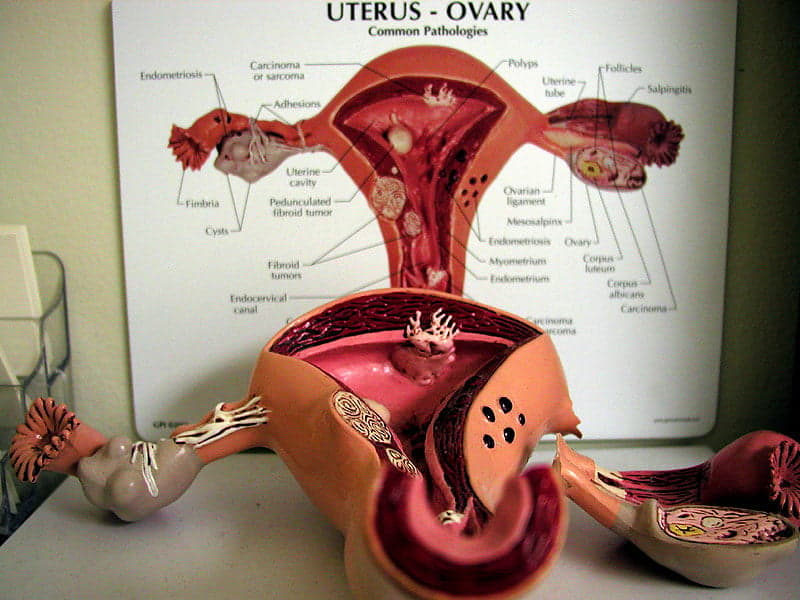
The weirdest body myth on this list comes from Ancient Greek physicians. They believed the uterus could move through a woman’s body and cause illness. This “wandering womb” idea sounds bizarre now, but it shaped thinking about women’s health for centuries.
A PubMed-indexed article described the Hippocratic concept of hysteria as tied to the “wandering womb.” Cambridge University Press material also connects Plato’s Timaeus and Hippocratic texts to descriptions of the uterus as a restless animal moving through the body and causing symptoms such as suffocation, palpitations, and loss of voice.
The word hysteria later became tied to the Greek word for uterus.