
 Duane Beckett
World War I left behind more than trenches, medals, and battlefield relics. It also left stories that still don’t fit cleanly into the history books. Some involve missing soldiers, others involve propaganda, and battlefield chaos. More than a century later, historians still return to these World War I battlefield mysteries.
Who Really Killed the Red Baron?
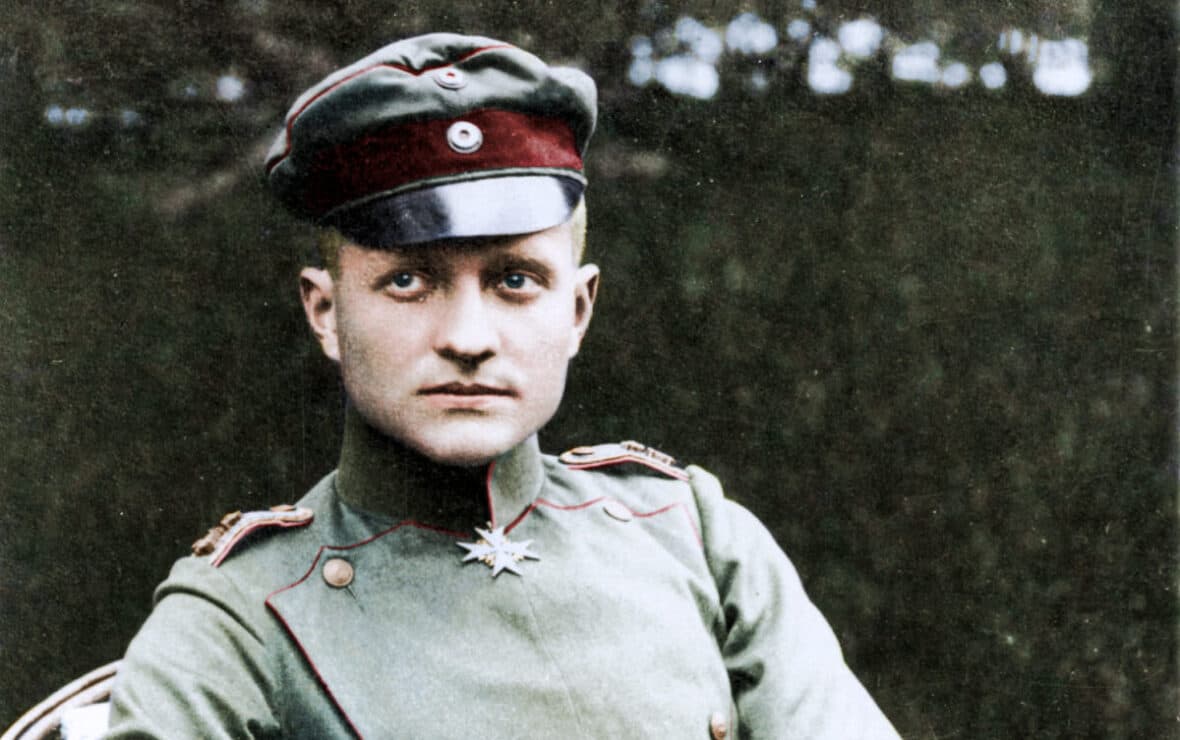
Manfred von Richthofen, better known as the Red Baron, was shot down on April 21, 1918, near Vaux-sur-Somme, France. He had 80 confirmed aerial victories, so his death became an instant wartime legend.
Tweed Regional Museum states that Canadian pilot Captain Roy Brown was long credited, but later analysis often points to Australian ground fire, especially Sergeant Cedric Popkin.
The fatal bullet entered Richthofen’s right side and traveled upward, which fits a ground-based shot better than Brown’s attack from above and behind. Still, several gunners were firing, and that has kept the final shot contested.
The Mystery of Celtic Wood
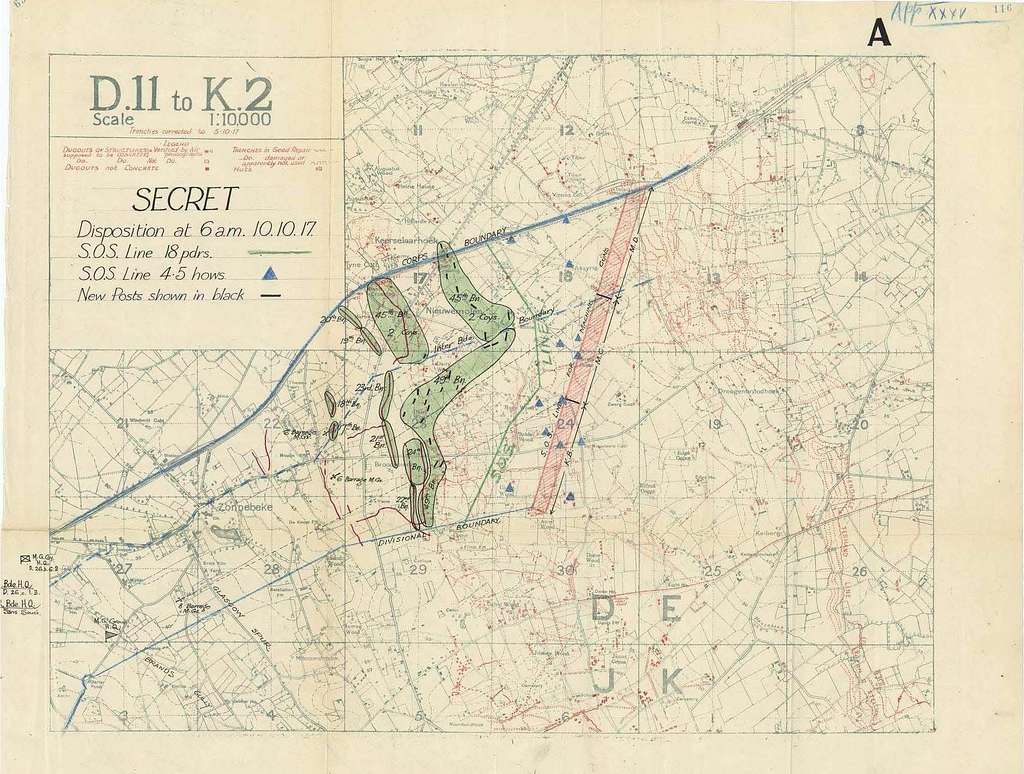
Celtic Wood sounds like a fantasy setting, but the story is real and grim. On October 9, 1917, men from the Australian 10th Battalion attacked German positions during the Battle of Poelcappelle. War History Online reported that the plan was to hit German dugouts and withdraw on a flare signal. It didn’t work that way.
Accounts disagree on how many soldiers returned, while 37 men were officially listed as missing “without trace.” German records also don’t clearly mention the raid. Later shelling tore up the battlefield, likely destroying bodies and any evidence. Whether it was a clerical mess or a wiped-out unit, the debate can never be settled.
The Angel of Mons: Mass Vision or Myth?
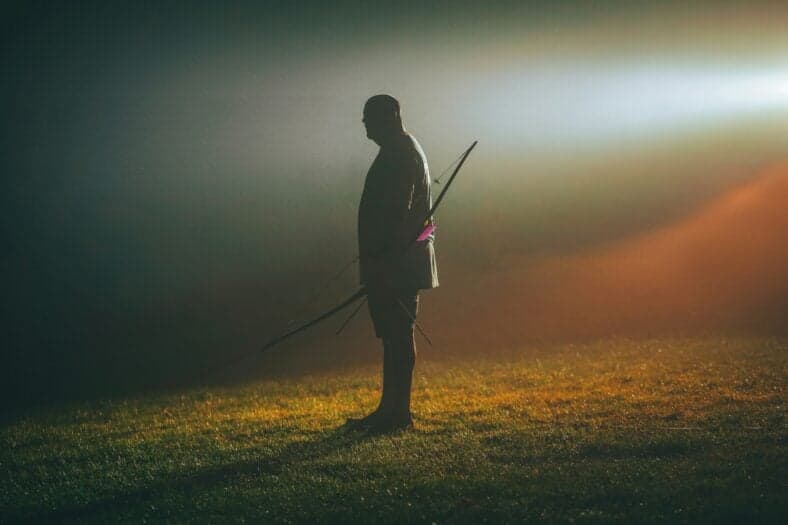
During the Battle of Mons on August 22 and 23, 1914, British troops were fighting and retreating under brutal pressure. Then came the stories of angels, phantom archers, or strange figures helping hold back the German advance.
According to Army University Press, Arthur Machen’s short story “The Bowmen” appeared in The Evening News on September 29, 1914, and described ghostly bowmen saving British soldiers.
Machen said it was fiction, but I get why people clung to it anyway. Exhaustion, fear, smoke, and rumor can do strange things. Some historians see propaganda and stress. Others study it as a shared wartime hallucination.
The Fate of the “Crucified Canadian Soldier”

In 1915, British and Canadian newspapers published a shocking series of stories that German troops had crucified a soldier using bayonets. The alleged atrocity occurred in Ypres, Belgium.
The story was used in Allied propaganda and became one of the war’s most infamous tales. However, the evidence began to wobble when investigated by Ernest Chambers.
According to the Great War Forum, Chambers found no credible proof of the event. Accounts conflicted with varying locations and witness recollections. Many historians today see this story as purely propaganda, but without certifiable evidence one way or the other, the story falls into the World War I battlefield mysteries category.
The Vanished “Sandringham” Battalion at Gallipoli

On August 12, 1915, men from the 1/5th Battalion Norfolk Regiment advanced during the Gallipoli campaign, including soldiers linked to the Sandringham estate. The Gallipoli Association states that the Norfolks veered too far right, outpaced nearby units, and became isolated as Turkish fire intensified.
Historic UK found that later retellings turned the disaster into a mystery of men vanishing into smoke or mist. The less supernatural version is still horrifying, as some were killed, some were buried in rough graves, and some individual fates remain unclear.