
 Duane Beckett
America’s frontier days were full of danger, ambition, bad decisions, and stories that still sound almost too wild to be real history. Some stories became legends, while others became national scandals. Each one shows how brutal, strange, and unpredictable life could be on the edge of the expanding United States.
1. Hugh Glass Crawls 250 Miles After Grizzly Mauling (1823)
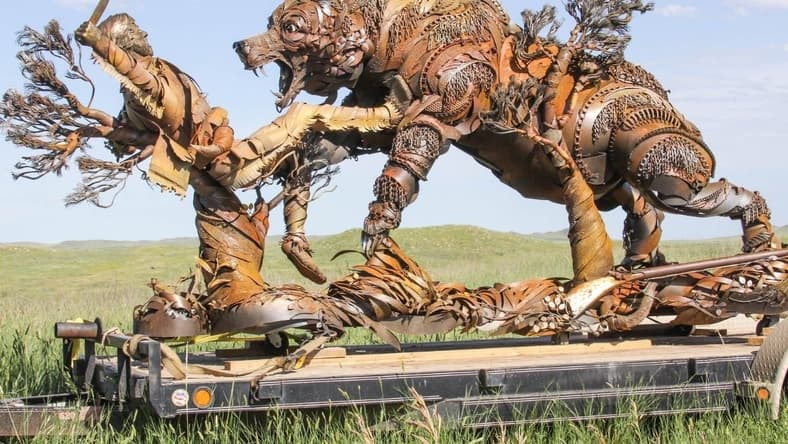
Hugh Glass was guiding a fur-trading party in 1823 when a grizzly bear attack nearly ended his life. HughGlass.org states that Glass was mauled along the Grand River Valley after encountering a sow grizzly with cubs, then left behind when his companions believed he was close to death.
Somehow, he survived. Glass crawled, limped, and dragged himself toward Fort Kiowa, eating what he could find along the way, from berries to scavenged carrion. I’ve seen plenty of survival stories turned into movies, but this one still feels unreal. By mid-October, he had covered more than 250 miles.
2. The Donner Party Resorts to Cannibalism in the Sierra Nevada (1846–1847)
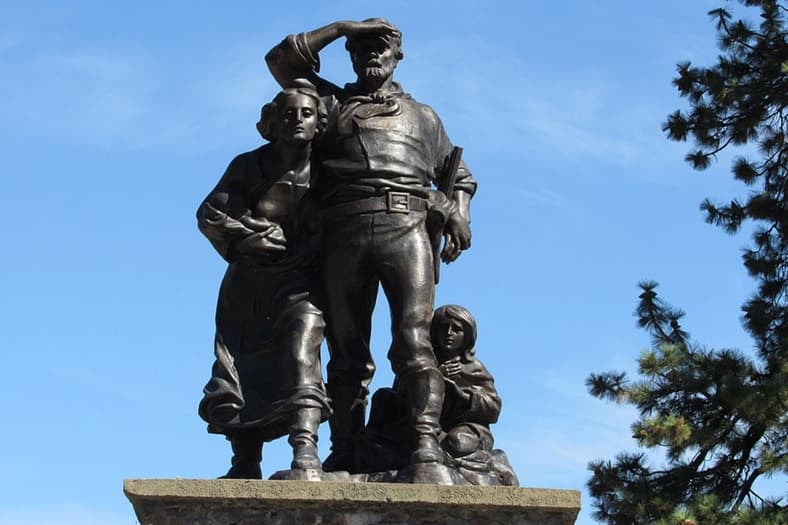
A wagon train headed for California became one of the darkest cautionary tales of westward migration. Britannica states that the Donner Party took Hastings Cutoff, a supposed shortcut that was actually longer and pushed the group through brutal terrain before they reached the Sierra Nevada too late. Snow trapped them, food ran out and people died.
Rescue parties eventually reached the camps in early 1847, but not before survivors resorted to eating the dead to stay alive. Out of 87 original members, 47 survived the ordeal.
3. The Mountain Meadows Massacre on the Utah Frontier (1857)
In September 1857, the Fancher party, an emigrant group from Arkansas, was traveling through southern Utah toward California. PBS states that local Mormon militia, aided by Paiute Indians, attacked the group at Mountain Meadows on September 7.
After days of fighting, the militia offered safe passage, then used that supposed truce to lure the emigrants out. Men, women, and children over the age of seven were killed, roughly 120 people in all. It’s one of those frontier stories that’s truly horrifying.
4. The Sand Creek Massacre Shocks the Eastern Press (1864)
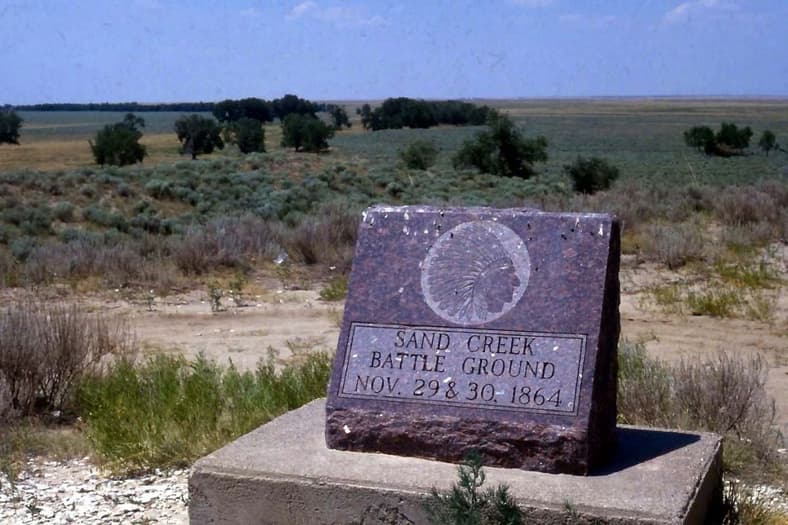
On November 29, 1864, Colonel John Chivington and Colorado volunteer troops attacked a Cheyenne and Arapaho village at Sand Creek. Information from the National Park Service shows the camp held around 750 people and included many women, children, and elderly people who believed they were seeking safety.
Over eight hours, troops killed around 230 Cheyenne and Arapaho people, mostly women, children, and the elderly. The Encyclopedia of the Great Plains states that news of the killing shocked the East, especially after details about women and children became public and investigations followed.
5. The Dalton Gang Tries to Rob Two Banks at Once (1892)
The Dalton Gang rode into Coffeyville, Kansas, on October 5, 1892, aiming to rob two banks at the same time. According to the City of Coffeyville, Bob Dalton, Grat Dalton, Emmet Dalton, Dick Broadwell, and Bill Powers wanted to pull off something no one had done before. It was a bad idea, with worse execution.
The townspeople recognized them, grabbed guns from Isham Hardware, and fought back. The gun battle lasted about 12 minutes. Four gang members and four citizens died, while Emmet Dalton survived despite 23 gunshot wounds.
6. Wild Bill Hickok’s Saloon Murder Over a Poker Hand (1876)
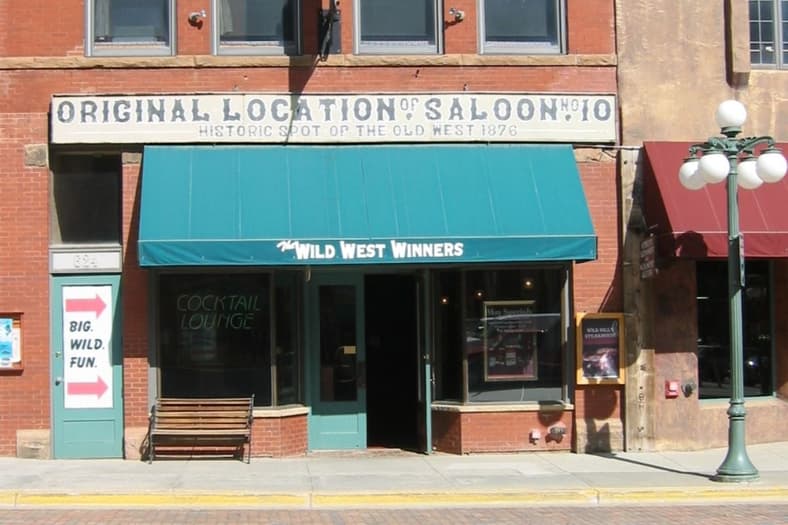
Wild Bill Hickok was already a frontier legend when he sat down for poker in Deadwood on August 2, 1876. Deadwood.com states that Jack McCall walked into Nuttal & Mann’s Saloon No. 10 and shot Hickok in the back of the head while he was playing cards.
Wikipedia adds that Hickok was said to be holding black aces and black eights, the hand later remembered as the “dead man’s hand.” For old West fans, that detail has become part of the myth. But the real ending was simple. One shot, and a legend was gone.