
 Duane Beckett
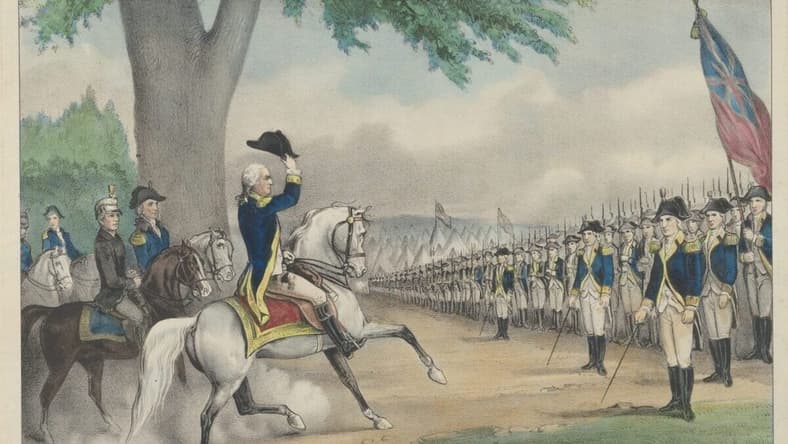

George Washington’s army is usually remembered for grit, cold winters, and the long road to independence. But some of the most surprising details are often left out because they sound almost too strange to believe. From secret ink and unofficial naval warfare to foreign drillmasters and a massive misdirection campaign, these facts show the odder side of George Washington’s army.
His Army Had a Spy Ring Using Invisible Ink
George Washington, America’s first president, carried military experience from the French and Indian War into his command of the Continental Army from 1775 to 1783. That part is familiar.
The surprising part is how much of his war depended on spycraft, not just battlefield courage. Mount Vernon states that the Culper Spy Ring operated around New York City and fed Washington information on British troop movements, with code numbers, aliases, and invisible ink used to protect messages.
Washington wasn’t just the guy on horseback in paintings. He was running intelligence like someone from a three-letter agency.
His Army Was Secretly a Navy First
Before George Washington became the first president, his military history already included service in the 1750s and command of the Continental Army during the Revolutionary War.
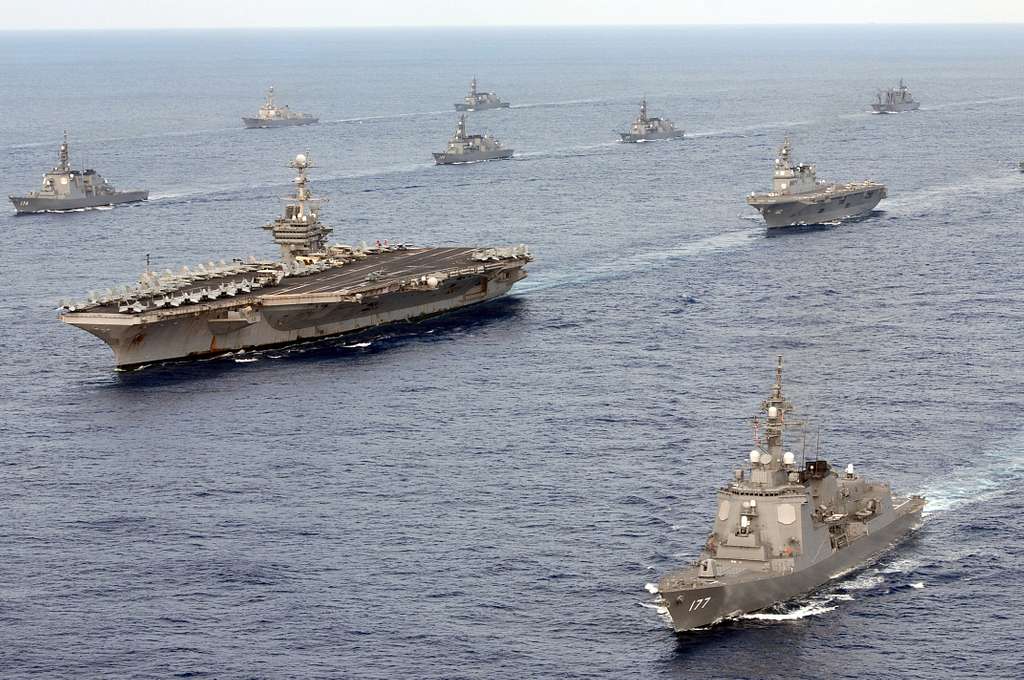
The shocker is that George Washington’s army also created a small naval force before the official Continental Navy was fully formed.
The U.S. Naval Institute states that Washington gave army commissions to ship commanders and ordered vessels armed against British supply ships. The schooner Hannah was part of this early effort, almost like a prototype before an official release.
2,500 to 3,000 of His Men Died Without Fighting a Single Battle
George Washington’s Revolutionary War command from 1775 to 1783 included one of the harshest non-battle disasters in American military memory.
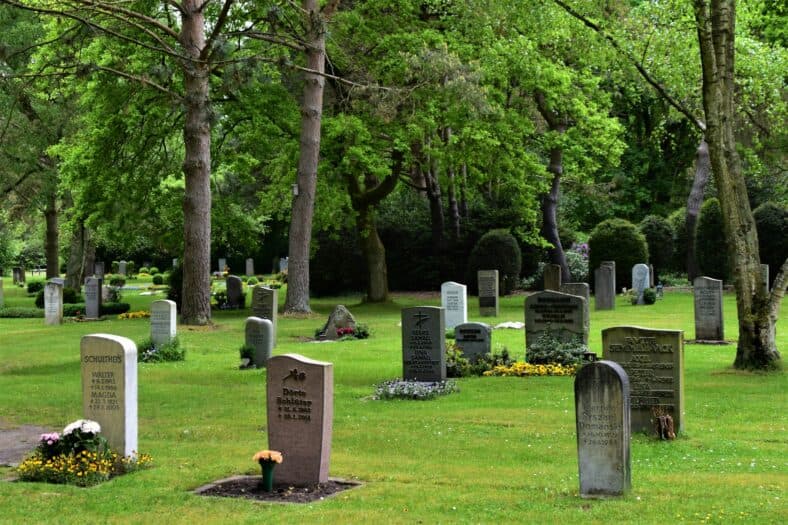
At Valley Forge, the surprise isn’t that the army suffered. It’s that so many men died while no battle took place there.
Information from the National Park Service shows that disease killed nearly 2,000 people during the encampment, while other estimates often run higher. Hunger, supply failures, exposure, and illness did the damage.
The National Park Service also states that Washington pushed Congress to reform the supply system, which helped the army survive and come out stronger.
A Prussian Stranger Turned His Rabble Into Soldiers
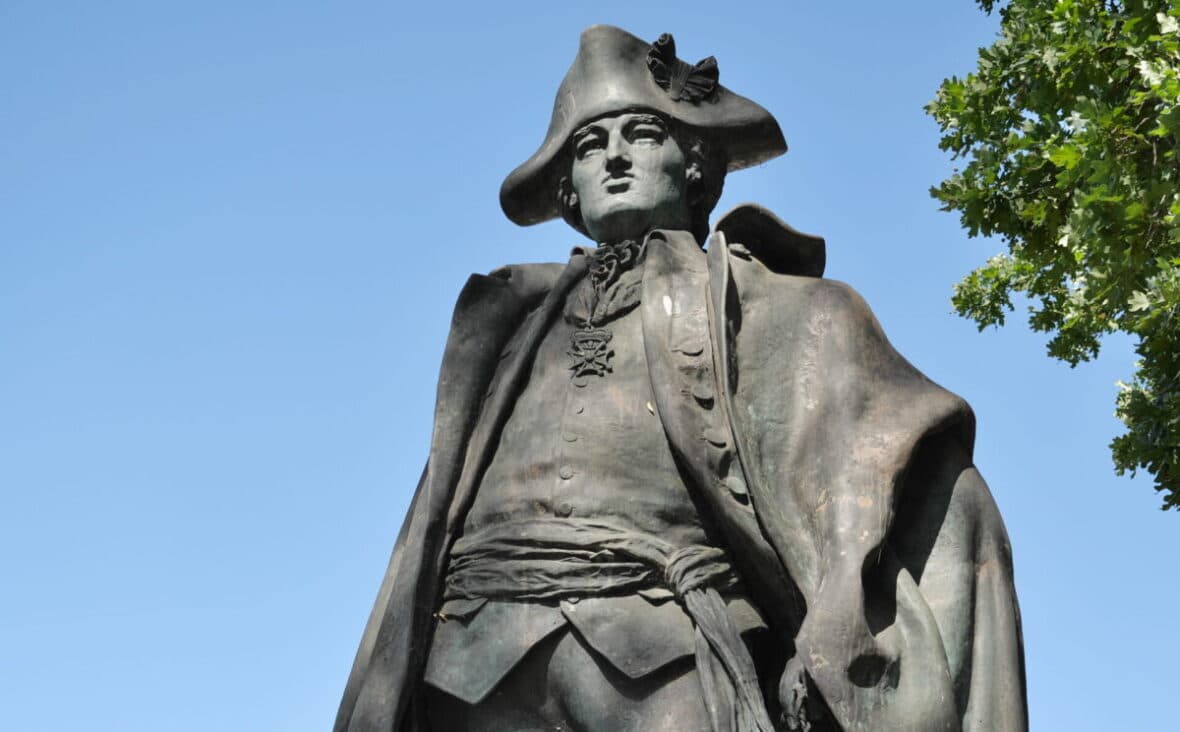
Baron Friedrich von Steuben arrived at Valley Forge in February 1778 and helped change Washington’s army fast.
Despite Washington serving in many wars, he still needed someone who could teach discipline at scale. According to the National Museum of the United States Army, Washington appointed von Steuben as acting inspector general, and Congress later made the role official.
Mount Vernon states that von Steuben trained soldiers in bayonet use and how to reform lines during battle. This Prussian outsider helped professionalize America’s army.
His Army Marched Past the Enemy Without Being Spotted
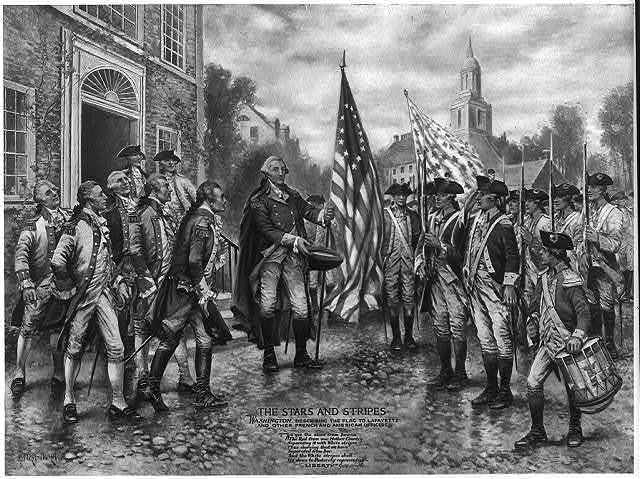
In 1781, Washington pulled off a move that still sounds epic. The British forces under Sir Henry Clinton were watching New York, expecting Washington and French commander Rochambeau to attack there. Washington leaned into that belief.
According to the National Park Service, secrecy and deception were vital, with only a small group of officers told the real destination. The Allied army then moved south through New Jersey, Pennsylvania, Delaware, and Maryland toward Yorktown, Virginia.
The British didn’t miss every movement, but they misunderstood what it meant. That’s the surprising part. Washington’s army didn’t vanish; it hid its real target in plain sight until Cornwallis was trapped at Yorktown.