
 Duane Beckett
American landmarks hold more secrets than most visitors will ever notice or know. Some are hidden in plain sight, whereas others sit behind walls, under buildings, or inside the monuments themselves. These small details can make familiar places feel new again.
1. The quiet mark inside the Lincoln Memorial
According to Explore the Archive, the north wall of the Lincoln Memorial includes the faint letters “EBL” carved into the stone. Those letters stand for Evelyn Beatrice Longman. She designed the memorial’s ornamental border, and later became the first woman sculptor elected to the National Academy of Design.
Most people walk into the Lincoln Memorial looking for the big statue, the famous speeches, and the weight of history. But this small mark tells another story, a woman helped shape one of America’s most visited memorials, and her initials are still there.
2. The Liberty Bell’s sound
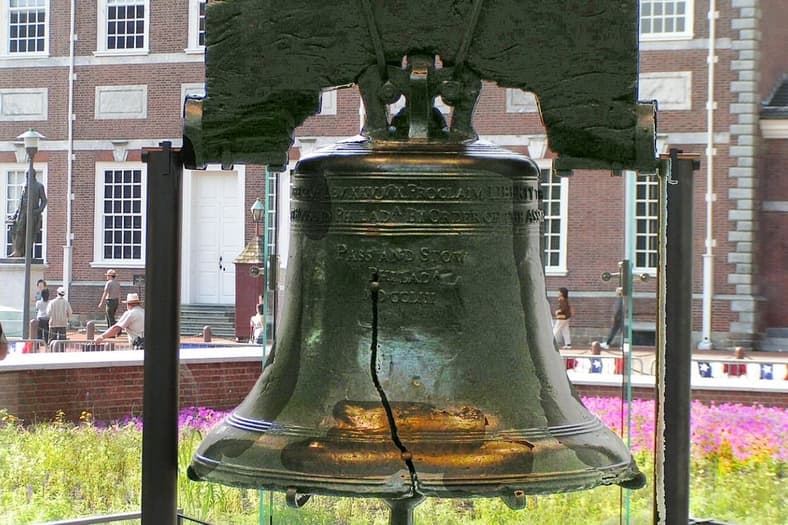
Elle Decor says the Liberty Bell’s famous crack was widened during an 1846 repair attempt. Workers used a method known as “stop drilling.” The idea was to stop the crack from spreading. Instead, the work silenced the bell for good.
We all know the bell by the crack. It’s part of the image, almost like a logo for American history. But the sound, the real sound, is gone. For collectors, historians, and anyone who cares about old things, that feels like a missing piece.
Amazingly, no one alive today has heard the Liberty Bell’s original sound.
3. A hidden world under the White House
Beneath the White House sits more than security rooms and government workspaces. Elle Decor reported that there is a subterranean “mall” below the building. It includes a flower shop, a dentist’s office, a carpenter’s shop, and even a bowling alley. The Situation Room and other presidential facilities are also part of that underground world.
That’s the kind of detail that makes the White House feel less like a single building and more like a small working town. It also makes a lot of sense as not only do Presidents live there, staff work there, and many problems need fixing fast. Flowers, repairs, dental care, secure rooms, all of it has a practical purpose. Still, it’s wild to picture a bowling alley under one of the most famous buildings in the world.
4. Grand Central’s backward night sky
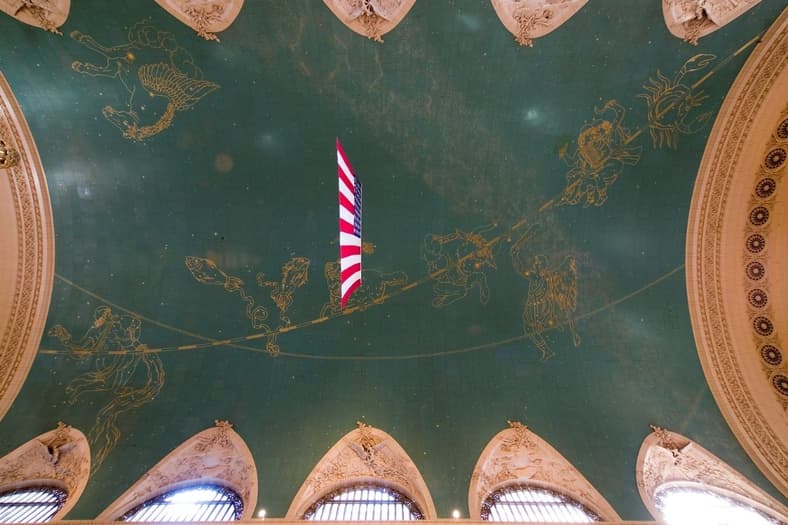
I’ve always liked places where the ceiling makes you stop and look up. Grand Central Terminal does that better than most. Explore the Archive reports that the Main Concourse ceiling shows a painted night sky, but the constellations appear backward. For years, people treated it like a mistake, but the explanation is far more interesting than that.
The designer reportedly meant the sky to be seen from a heavenly point of view, looking down toward Earth. A design choice that turns the whole thing around. What looks wrong at first may have been the plan all along.
5. Mount Rushmore’s secret chamber
Mount Rushmore has a hidden chamber behind Lincoln’s head. Explore the Archive states that the Hall of Records was finally completed in 1998. Inside are sixteen porcelain enamel panels that explain the history of the monument and the United States.
The chamber was created for future generations, not tourists, nor casual visitors. That’s what makes it so fascinating. Mount Rushmore already feels like something built for a movie poster, huge faces carved into stone. Then you learn there’s a record room tucked behind it, almost like a time capsule from a lost civilization.
6. Gateway Arch has 762,000 signatures inside
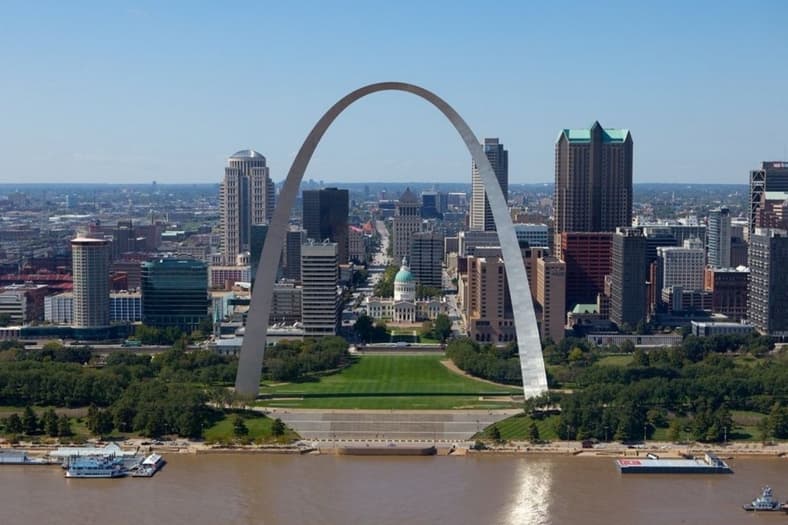
According to Explore the Archive, the Gateway Arch in St. Louis contains a hidden time capsule. It was welded into the monument’s walls in 1965 and includes more than 762,000 signatures from local residents. The capsule is meant to stay sealed as long as the Arch stands.
Landmarks often focus on presidents, builders, architects, and big national ideas. This one also carries everyday people inside it. Families, workers, kids, neighbors, all locked into the structure in a quiet way. This gives the Gateway Arch a human layer most visitors will never see, but it’s there all the same.