
 Duane Beckett
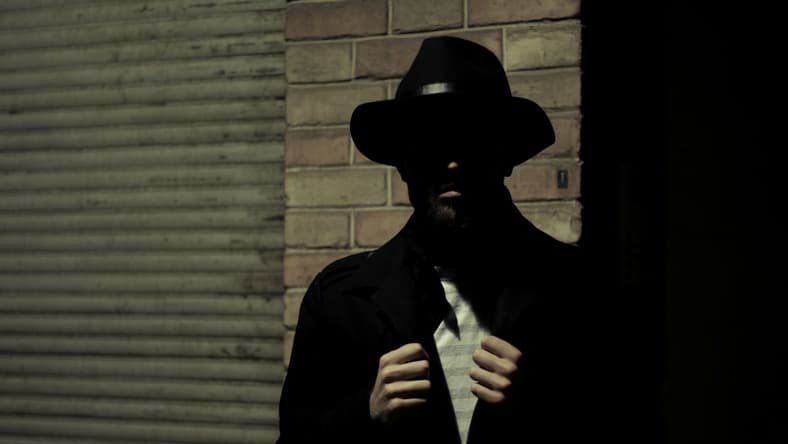
World War 2 had some truly odd spy equipment. This was long before tiny digital cameras, GPS trackers, and modern listening devices, so agents had to rely on clever tools hidden in plain sight. Some looked like items you’d find in a junk drawer. Others seemed more like props from a James Bond movie. Yet these strange World War 2 spy gadgets were amazingly used during the war.
Matchbox Microcamera
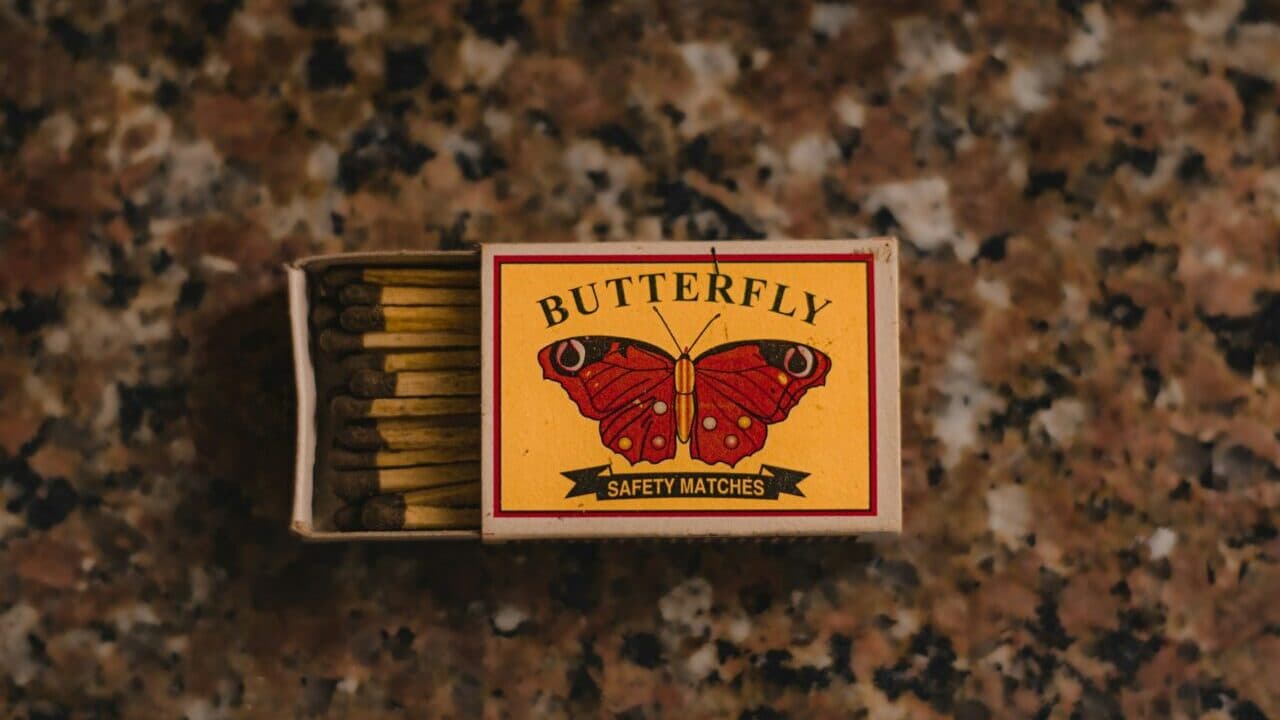
A matchbox could be more than a way to store matchsticks. According to the CIA, Eastman Kodak made a small camera in the shape of a wartime matchbox for the Office of Strategic Services, the U.S. spy agency that came before the CIA.
The gadget used 16-mm film and was deployed behind enemy lines by resistance workers during World War 2 for target recording and propaganda photography. The Science Museum Group also states it was made for OSS use in occupied Europe.
The strange part is that it looked like something you’d toss on a café table instead of one of many strange World War 2 spy gadgets, but it could secretly capture military targets or documents. It’s all very James Bond, long before Bond was a thing.
Baby-Carriage Radio Transmitter

The baby-carriage transmitter was exactly the kind of thing that sounds fake until you remember how much wartime spy work depended on hiding bulky gear. Suzanne Nelson Books states that during World War 2, larger radio transmitters were sometimes carried in suitcases and, in unusual cases, hidden inside baby carriages.
Allied agents and resistance members in occupied Europe needed radio sets to send coded messages back to handlers and military contacts. I can’t help picturing the scene. A person pushing a stroller down the street, while the “baby” space hides aerials and electronics. It’s strange because it turns a normal family object into a moving spy station.
Poison or Narcotic Cigarettes

Cigarettes were already everywhere in the 1940s, which made them a useful cover. The Science History Institute found that in 1942, the OSS worked on a “truth drug” for interrogating prisoners and later used a marijuana-based liquid extract called TD that could be injected into cigarettes.
In 1943, OSS narcotics agent George H. White gave spiked cigarettes to New York gangster August “Little Augie” Del Gracio, who became very talkative. Wargaming also reported that cigarettes laced with tetrahydrocannabinol acetate were part of wartime spy-gadget lore.
Explosive Cigarette Case
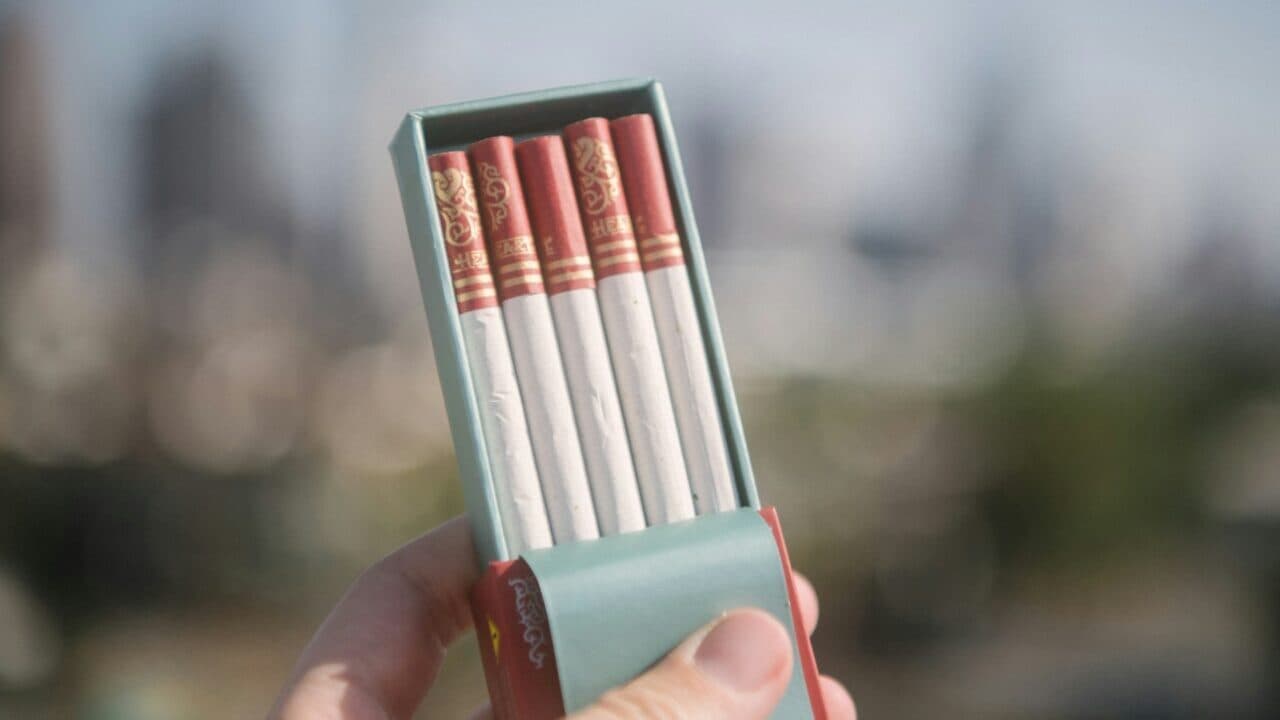
A cigarette case was a stylish little accessory in the 1940s, and Wargaming states that World War 2 spy kits included “a cigarette case which exploded upon opening.”
The fact that it exploded makes this one especially nasty. It looked like a personal item, but it could function as a booby trap for sabotage or assassination-style work.
This device is part of the wider world of OSS and special operations equipment. The fact that the logic was to turn a polite social object into a miniature bomb is spy-like and very much something out of a movie.
Pencil Dagger
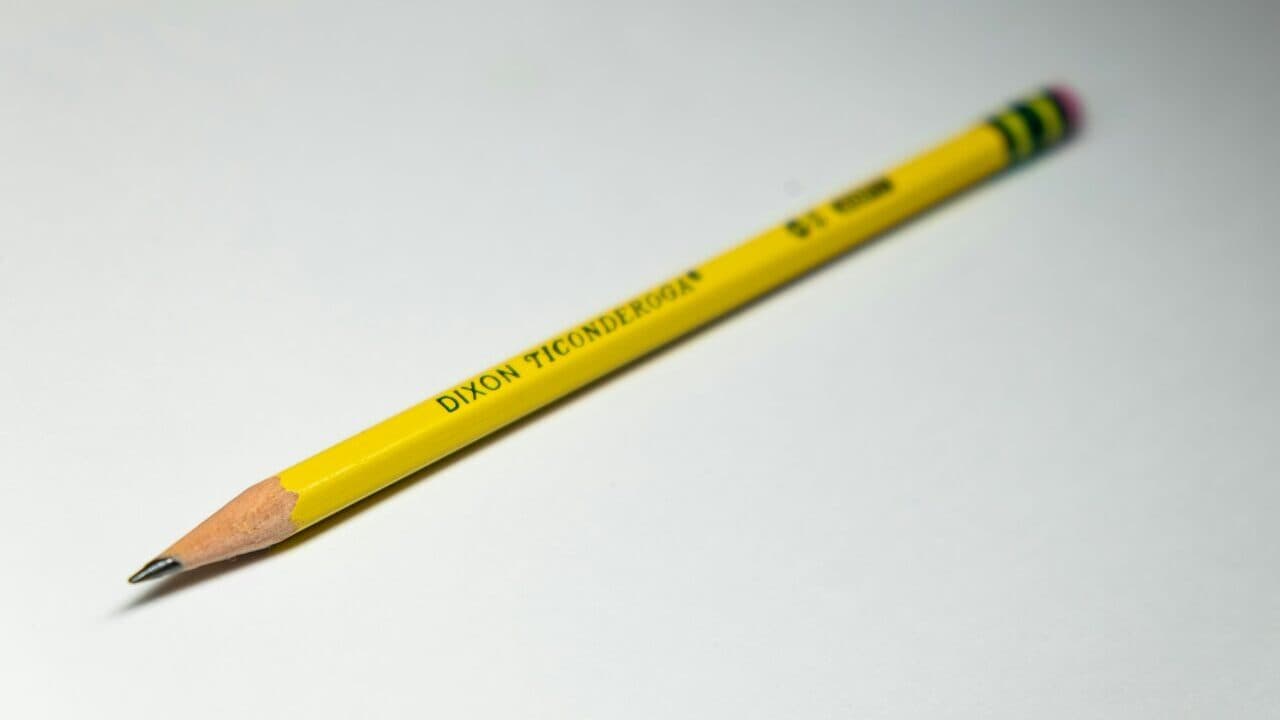
SpyScape states that Britain’s MI9 designed a pencil dagger used by American and British agents from the OSS and SOE during World War 2.
It worked as a real pencil, but only one end had lead. The middle was hollowed out to hide a blade, with a small cap concealing the spike. Suzanne Nelson Books also describes a light dagger disguised as a normal pencil, with the blade hidden inside.
As a collector of odd old objects, this is the one I’d stop and stare at in a museum case. Weaponized stationery. It’s strange because it might look harmless, but it was built for close-quarters survival and now fits nicely in the strange World War 2 spy gadgets category.