
 Duane Beckett
Victorian homes had gadgets that were clever for the time; however, they were highly suspect and frequently flat-out strange. Many were built to solve everyday household problems, like making tea, heating bathwater, pressing clothes, or treating common health fears. Yet, by today’s standards, these strange Victorian household gadgets look less like home conveniences and more like props from a haunted antique shop.
1. Bedside Clockwork “Teasmade”
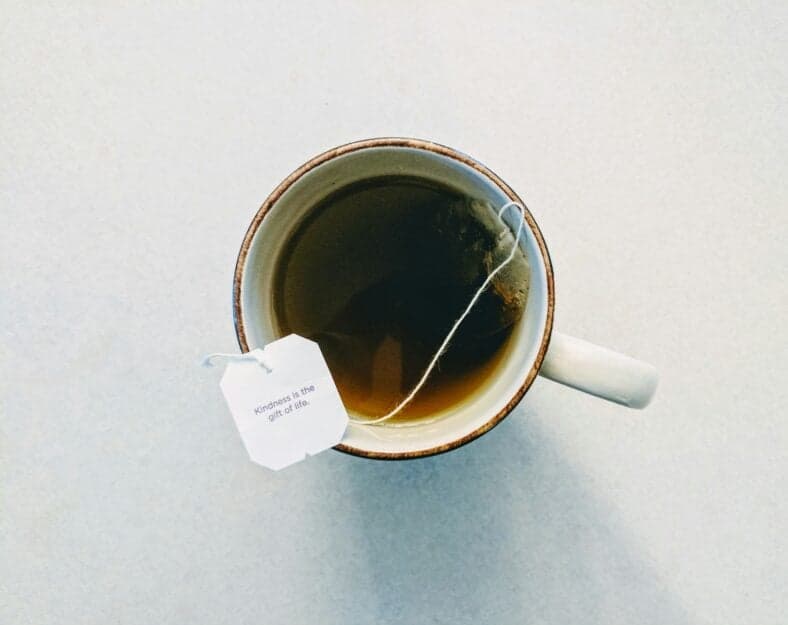
A bedside clockwork teasmade was an automatic tea-making machine, usually built from an alarm clock, kettle, teapot, frame, burner, and a collection of moving parts.
The Science Museum states that early automatic tea-makers were being imagined in the late 19th century, with one 1892 version using gas and a pilot light. A later version struck a match when the alarm went off, lit a spirit lamp, boiled water, and tipped the kettle forward. It’s smart home tech, but Victorian style.
These gadgets were more common among middle-class gadget lovers than in poorer households. Today, a flame beside the bed just to make tea feels charming, but also massively unsafe.
2. Gas-Heated Swinging Bathtub Heater
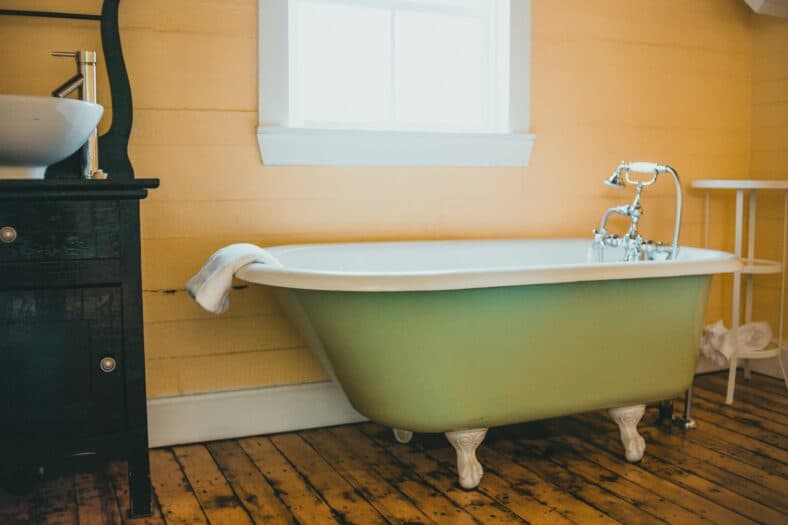
A gas-heated bath apparatus was built to warm bathwater before modern hot-water systems became normal. It would look like a metal bath setup with a gas burner or heating plate beneath it.
The Science Museum lists a gas-heated bath made in London around 1885 as a domestic appliance, while The Independent reported that later gas-heated baths used a Bunsen-style burner swinging under the tub.
The goal was simple: to heat the water in place, shut off the burner, then bathe. These appeared in better-off homes that ran on gas power. By today’s standards, sitting over a burner waiting for a bathful of water to heat up sounds less spa day, and more like a full-time job.
3. Charcoal-Filled “Sad Iron”
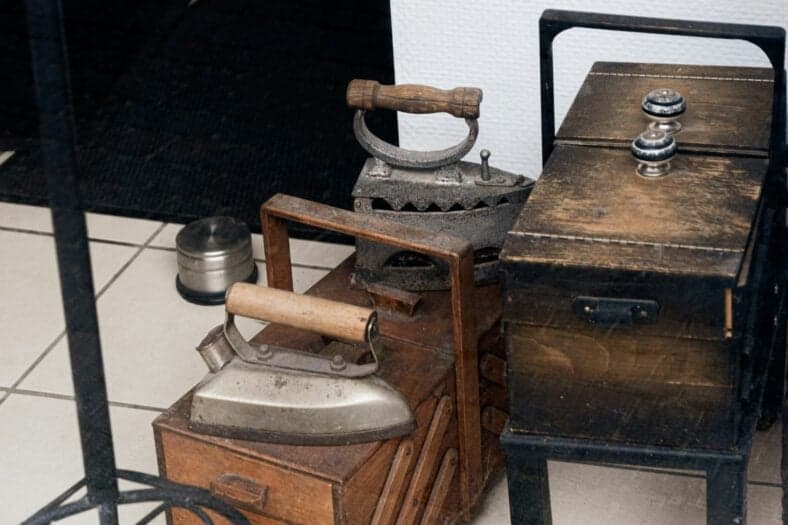
A charcoal-filled sad iron was a heavy metal clothes iron with a hollow body, vents, and often a wooden handle. Hot charcoal went inside, heating the metal base so the user could press shirts, linens, and household fabric.
Object Lessons state that holes around the base let fumes escape, but they could also release sparks and soot onto clean washing. The Independent also reported that before electric irons, clothes were pressed with hollow irons filled with hot charcoal.
In many Victorian homes, ironing was a serious weekly chore, and several irons might be kept in rotation. It was a practical solution, but by modern standards, far from safe. Just imagine a hot spark hitting dry clothing in a laundry room.
4. Mechanical Leech

A mechanical leech, also called an artificial leech, was a metal bloodletting tool used during home visits from doctors. Michigan Medicine reported that artificial leeches were used in the 1800s and could pierce veins before drawing blood into a collecting chamber with vacuum suction.
It looked like a small metal device with cutting parts and a handle, not exactly something you’d want near your bathroom cabinet.
Bloodletting was still very common in the 19th century, so tools like this gave households a cleaner alternative to live leeches. I collect oddities, but a bloodletting tool is a hard pass when it comes to these strange Victorian household gadgets.
5. Electro-Magnetic Hair Brush
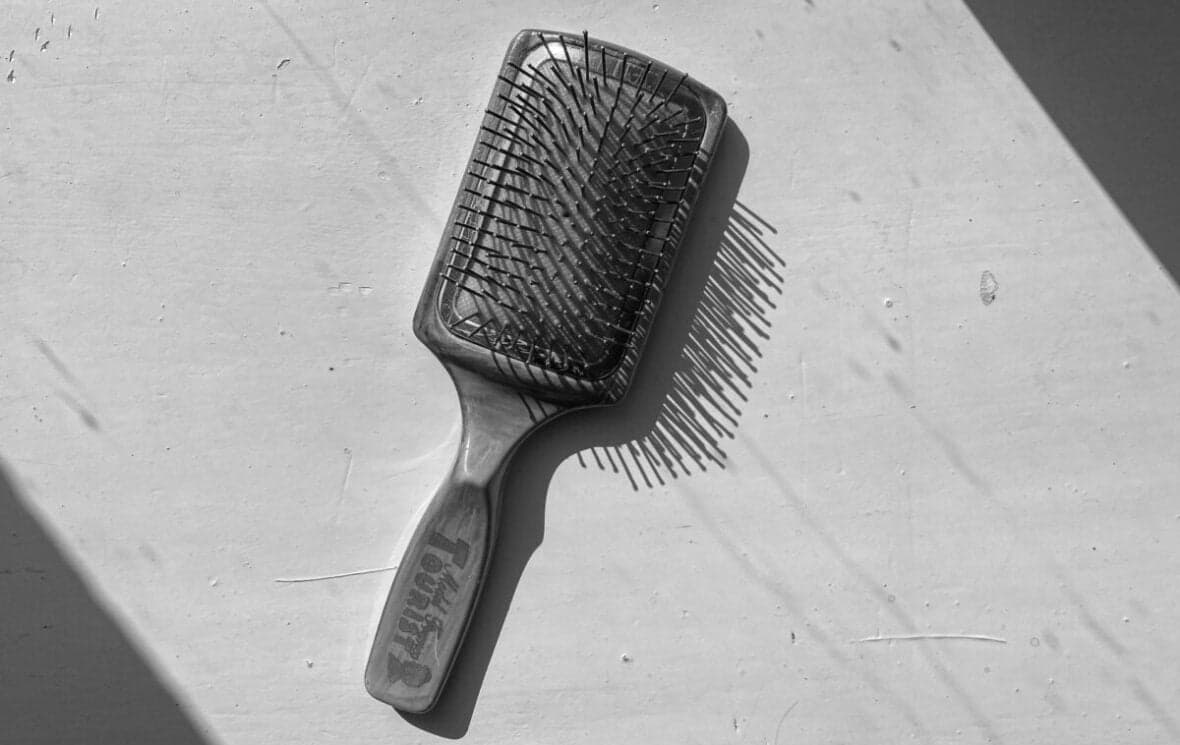
An electro-magnetic hair brush was sold as a beauty and health gadget for hair loss, headaches, and scalp trouble. The National Museum of American History states that Dr. Scott’s Electric Hairbrush was patented in 1872 and had slightly magnetized iron rods in the handle.
Scott claimed it could help baldness, nervous headaches, bilious headaches, and neuralgia, and the brush became financially successful through large-scale advertising.
It looked like a normal brush with a strange electric-age upgrade. These were not in every home, but they reached buyers through ads and miracle-cure claims. Today, it feels like a late-night infomercial dressed in Victorian clothing.