
 Duane Beckett
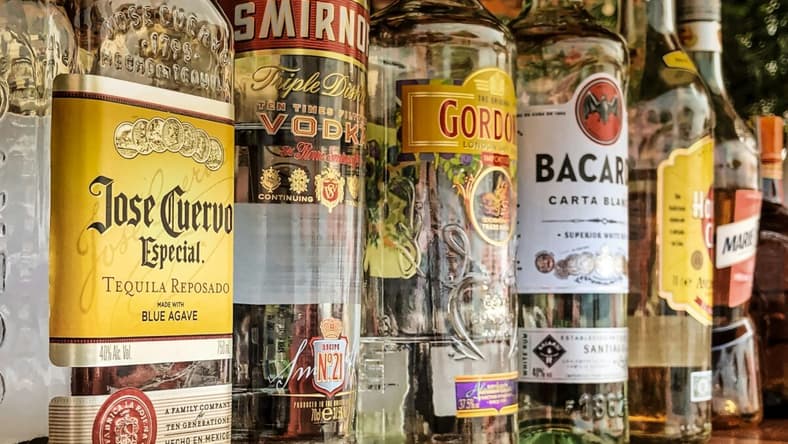
According to Britannica, Prohibition ran from 1920 to 1933 and banned the manufacture, sale, and transportation of alcoholic beverages. Despite the laws, people didn’t stop drinking. Instead, the ban made people creative. Some hid drinks in ingenious ways, while others went for outright weird and borderline desperate measures. Check out these five weird Prohibition-era inventions below.
Cane Flasks (“Tipping Canes”)
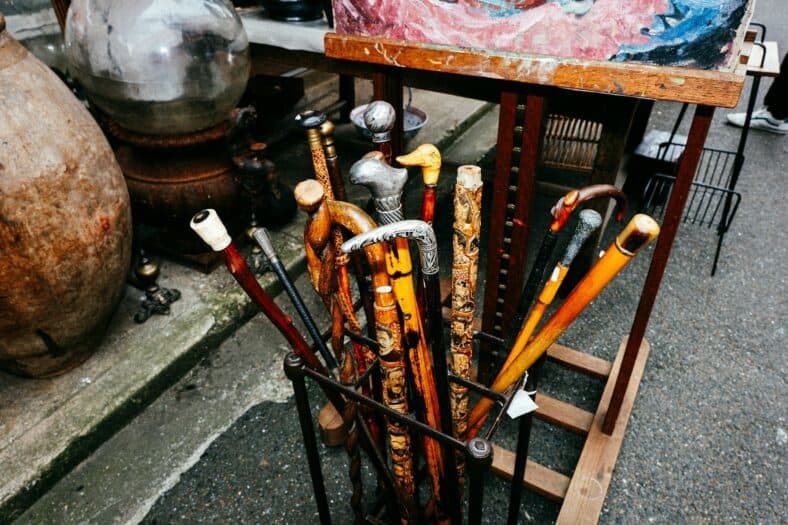
A cane flask turned a normal walking stick into a portable liquor stash. The shaft was hollow, with a narrow glass or metal tube tucked inside to hold whiskey or another spirit.
Voice of America reported that people “started walking with canes” because hollow ones could be filled with whiskey during Prohibition. Wikimedia Commons shares a February 13, 1922, Washington, D.C., photo showing an unidentified woman holding a “tipping cane” during Prohibition.
To use it, the person tipped or unscrewed the handle, then poured or sipped the hidden alcohol.
“The Four Swallows” Fake Book Flask

On the surface, “The Four Swallows” looked like reading material, but it was really a booze case. Roses & Rue Antiques states that this Prohibition-era faux book originally held four tall, skinny flasks labeled for different liquors, and it opened from a button on the spine.
Free Range American found that The Four Swallows was a popular personal smuggling item, with four vials that could each hold about a shot. Owners could keep it on a shelf, carry it under an arm, then flip it open when they wanted a drink.
Hollow Loaves of Bread
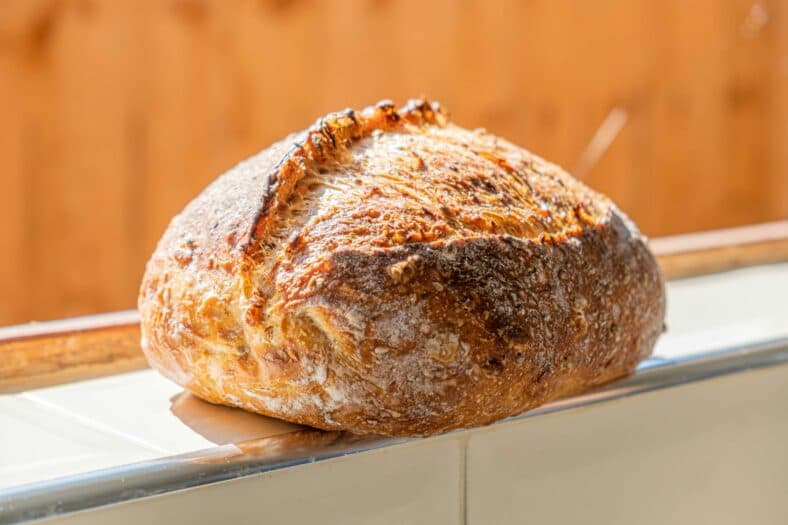
That’s right: hollow bread loaves were used to camouflage alcohol during Prohibition. Associated Press Photos found a June 12, 1924, image showing bottles of Scotch whiskey smuggled inside hollowed-out loaves of bread.
The Voice of America also used that same historical photo in its Prohibition coverage. It was a trick that allegedly worked, as smugglers cut out the soft middle of a large loaf, slipped bottles into the space, then sealed the bread so it still looked normal.
Prosthetic Limbs as Flasks
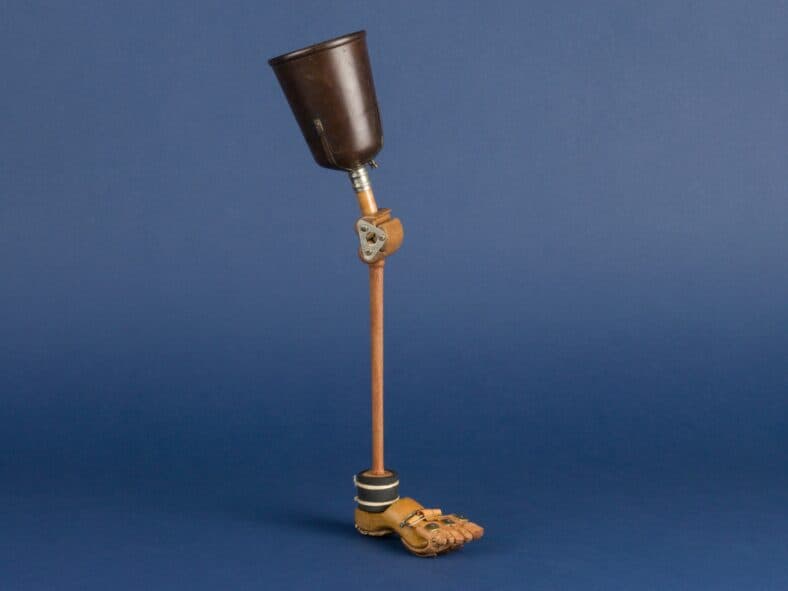
Prosthetic limbs also appeared in Prohibition smuggling stories, which shows how far people were willing to go for a drink.
Bare Wood Spirits reports used the hollow space inside artificial limbs as secret containers for alcohol. The wearer or an accomplice could move through public spaces while the outside of the limb looked functional and personal.
It’s the kind of cover that could help smugglers move alcohol around during Prohibition without any obvious unwanted attention from officers and is a great example of weird Prohibition-era inventions.
Victrola Liquor Cabinets
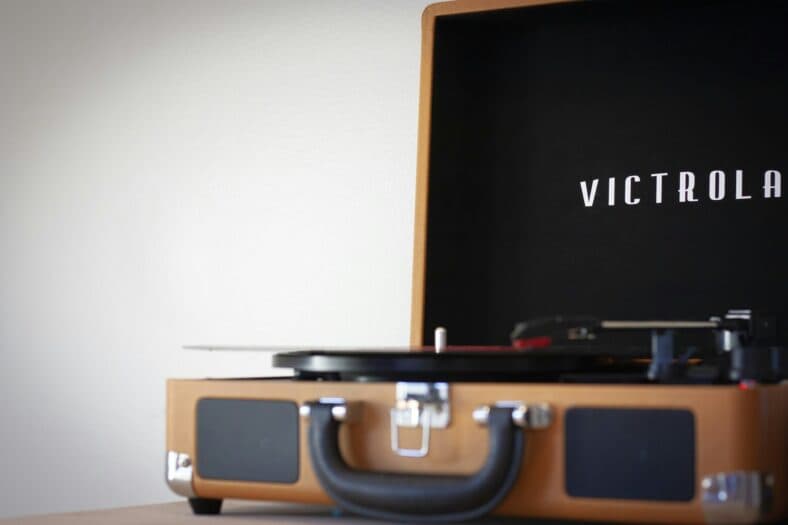
We’ve all heard of upcycling, and this might just be the original example. On Maine Memory Network, there is a photo taken outside Portland City Hall showing a Victrola renovated to hide liquor bottles during Prohibition. The item is dated circa 1922, right in the national Prohibition period.
From the outside, it looks like a standard phonograph cabinet, a piece of technology fairly common across living rooms at the time. However, the record and sound compartments were changed to hold bottles.
I’ll admit it, this one has real collector appeal. It mixed music, furniture, and rule-breaking into one strange social time capsule.