
 Duane Beckett
Daily life in the 1800s can sound very strange, almost like science fiction when you dig deeper. From daily habits to odd contraptions and beliefs, many historical facts read like extracts from a sci-fi novel.
1. Split sleep ruled the night
Back in the 1800s, many people followed a “first sleep” and “second sleep” pattern. This included a quiet waking stretch in the middle of the night. A break that was often used for prayer, reading, chores, intimacy, and much more.
Harper’s reported on historian Roger Ekirch’s work, which stated that segmented sleep was once a normal part of preindustrial life. It’s hard not to picture this like a society with scheduled windows of consciousness, which would be very sci-fi.
Importantly, the eight-hour block we use today is newer than most people think.
2. Baby medicine came with serious drugs
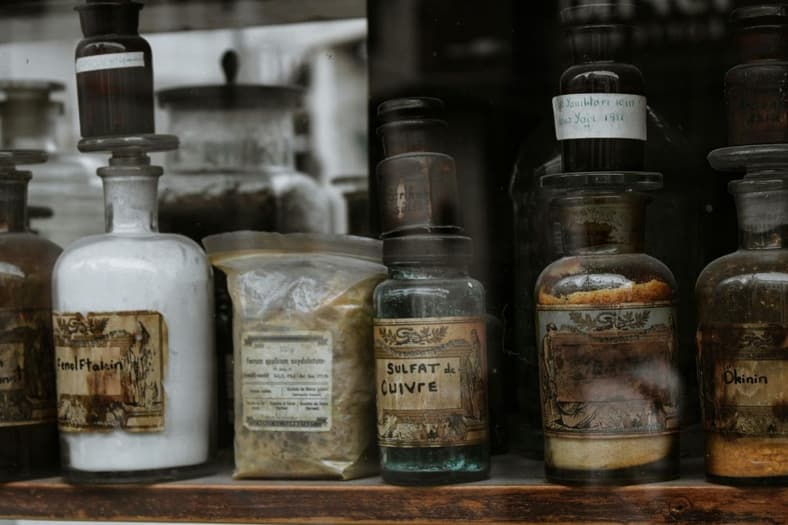
WebMD reported that late-1800s doctors considered drugs like cocaine, morphine, and opium legitimate medicines, while patent remedies also flooded the market. Some were sold straight to families with no prescription and no modern warning label.
One infamous example was Mrs. Winslow’s Soothing Syrup, marketed for teething babies. The State Library of Queensland notes that it contained morphine, which could quiet a child for a very dangerous reason. I collect old oddities, and antique medicine bottles look great on a shelf, but the stories behind some of them are sci-fi horror.
3. Mail shot under city streets
A letter didn’t always crawl along by horse, train, or tired postal worker. In some cities, it blasted through underground pneumatic tubes inside canisters. Philadelphia, New York, Boston, and Chicago all used versions of this system.
Smithsonian Magazine reported that New York’s pneumatic mail network opened in 1897 and eventually grew to about 27 miles of tubes beneath Manhattan and Brooklyn. Atlas Obscura adds that the tubes moved mail at about 35 mph, handled around 95,000 letters a day at their height, and once carried a live cat that survived the trip. Not ideal for the cat, still, it’s very Jetsons for the 1800s.
4. Skull reading as life advice
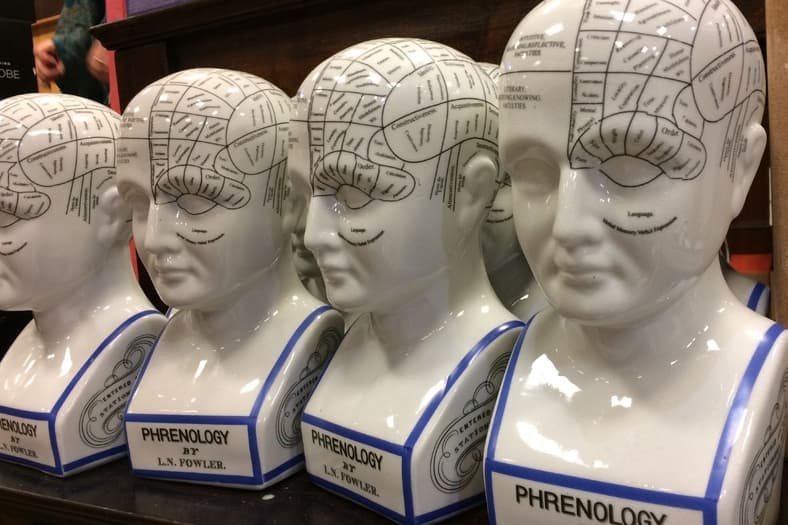
Phrenology sounds like something from a forgotten Star Trek episode, but it was taken seriously by many people in the 1800s. Practitioners felt the bumps and shape of a person’s skull, then claimed they could read character, talent, intelligence, and moral nature.
The National Library of Medicine article notes that many Americans visited phrenological practitioners in the first half of the 19th century. Some used it for deeply personal choices, including work, marriage, and self-improvement. Today, it reads like a strange mix of personality test, career coach, and carnival act. Yet back then, it was big business.
5. Electric cures filled the ads
Stores and catalogs once sold electric belts, corsets, and other wearable gadgets that promised to treat almost everything. From weak nerves, to pain, poor circulation, and even bedroom troubles. You name it, somebody claimed electricity could fix it.
Atlas Obscura notes that medical electric devices were part of a huge advertising boom, with one estimate saying general medical commodities made up 25% of all ads by 1880. The National Archives also describes one Victorian medical belt as a misleading device that claimed electric power could cure ailments. It feels like cyberpunk health fraud before cyberpunk ever existed.
6. Darkness was a real force
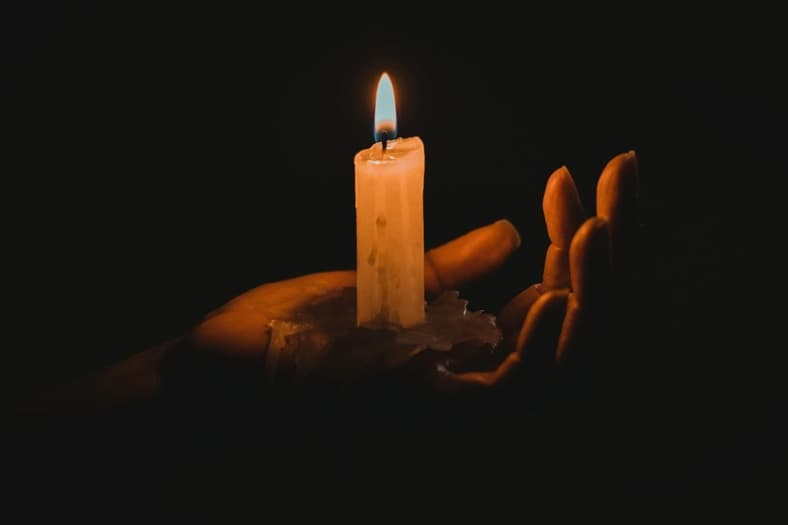
Before electric light became common, night had real weight. Homes might have candles, oil lamps, or firelight, but those gave off small islands of light. The rest of the room could still disappear.
The Science Museum states that before gas and electric lighting, the hearth was often the main indoor light source, while candles and oil lamps gave dim, limited light. Move too far from the candle, and reading or mending became difficult. Colonial Williamsburg also highlighted how expensive candles could be for working people.
It’s easy to forget that darkness wasn’t just mood. It shaped sleep, work, fear, travel, and even time itself.
7. Houses arrived like giant kits
Starting in 1908, people could order a house from a catalog and have the parts shipped by rail. Not a dollhouse, a real house, cut, packed, labeled, and sent out with instructions.
HUD’s Office of Policy Development and Research states that Sears sold nearly 75,000 kit homes. The 1908 Sears Modern Homes catalog is still archived online, which makes the whole thing feel even stranger. Imagine ordering your home the way people now order shelving or a new TV stand.