
 Alexandria Wyckoff
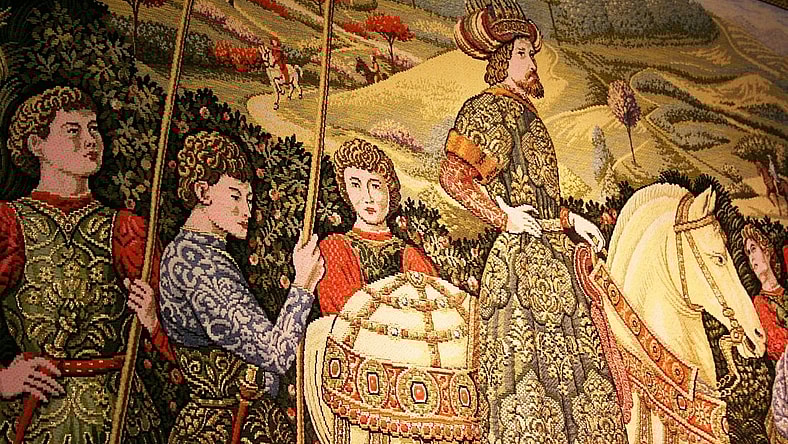
The Middle Ages are riddled with historical myths, often because the Renaissance that followed cast the past in a poor light. However, this isn’t exactly true. The Middle Ages weren’t as bad as they’re made out to be. While the people are portrayed as ignorant, vulgar, and tasteless, keep reading to learn these six myths about the Middle Ages and the truth that lies behind them.
6. Medieval people did not use cutlery
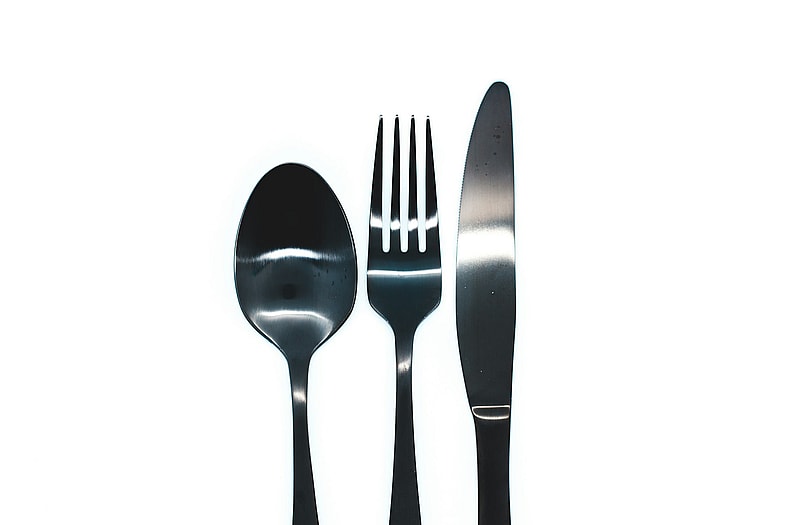
Starting our list of myths about the Middle Ages is that people did not use cutlery. In reality, Medieval people did not have to eat everything with their hands. Knives and spoons were common during the time, while the fork goes all the way back to the 4th century in the Byzantine Empire. By the 11th century, the fork was common in Italy, and soon made its way to other parts of Europe.
5. Drank alcohol since the water was polluted

Fifth on our list of myths about the Middle Ages is that Medieval people only drank wine and beer since the water was too polluted to drink from. It may be true that people avoided polluted water in the Middle Ages, but there were still plenty of clean water sources for drinking, too. The people also understood water was healthy, though not nearly as tasty as beer or wine.
4. People did not live past 30

Next on our list of myths about the Middle Ages is that the life expectancy of a Medieval person was around 30 years old. This does not mean a 30-year-old during that time was on the brink of death or considered old. If they made it into adulthood, many would live into their 60s or 70s. “Old age” would not be until you were 50 years old. The reason life expectancy was so low was due to a higher chance of an infant or child dying due to illness or disease compared to modern times.
3. Knights were honorable and chivalrous
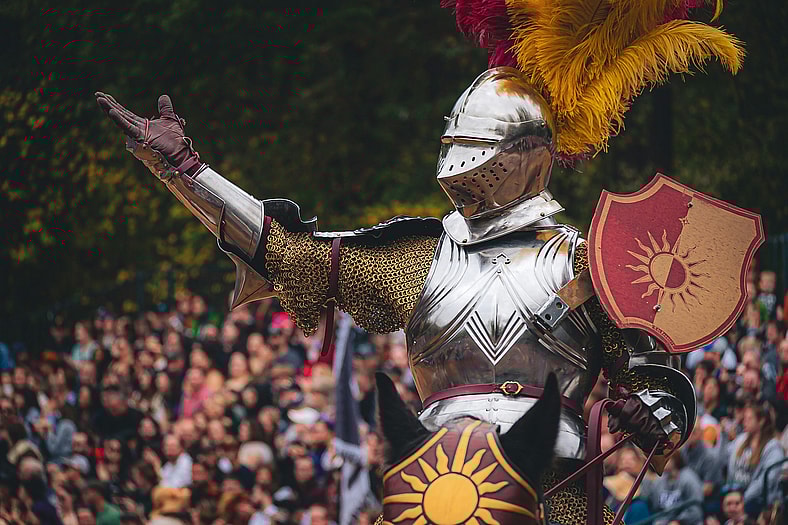
Rounding out the top three myths about the Middle Ages is that knights were always honorable warriors who stood up for the innocent while punishing the wicked. In reality, most knights were young men, full of testosterone and something to prove, so when they were not fighting, they were wreaking havoc on the local population. While some strove towards certain ideals, most were just military men who fought as their profession.
2. Everyone smelled bad

Second on our list of myths about the Middle Ages is that people did not bathe much, with peasants being filthy and the upper classes only bathing once or twice a year. The truth is that public saunas and baths were quite common during the time, giving people time to socialize and freshen up. Rich people used tubs of heated water, while lower classes took regular spit baths. Since smelling good was seen as holy and bad odors were sinful, people tried to stay as clean as possible.
1. People believed the Earth was flat

Last but not least on our list of myths about the Middle Ages is that everyone believed the Earth was flat, and the Church taught it as a strict doctrine. In reality, there are no records showing the Church teaching about a flat Earth during the Middle Ages. At that point, it was a well-known fact that the world was a sphere, accepted by scholars and the uneducated alike. The “flat Earth” theory most likely came from Washington Irving in 1827, trying to make a more heroic story about Christopher Columbus.