
 Amelia Andriacco
When it comes to the 4th of July, fireworks are a must. They are a way to celebrate the holiday and enjoy a beautiful fireworks show with family and friends. Though we often associate fireworks with this American holiday, their history is much older than the country itself. They have influenced celebrations and memorials in many countries, making them a cultural staple across the globe. Here are some historical facts about fireworks.
6. Fireworks Were Invented By Mistake

One of the most interesting historical facts about fireworks is, of course, how they were invented. Alchemists were not in search of a colorful celebration 2,000 years ago; they were actually searching for the elixir of life. In their search, they mixed sulfur, charcoal, and potassium nitrate and discovered gunpowder.
Fireworks first consisted of bamboo tubes and gunpowder being thrown into a fire and exploding. The loud noise and bright light prompted the idea to use them for Chinese New Year, as they would scare away evil spirits.
5. Fire Masters and Green Men
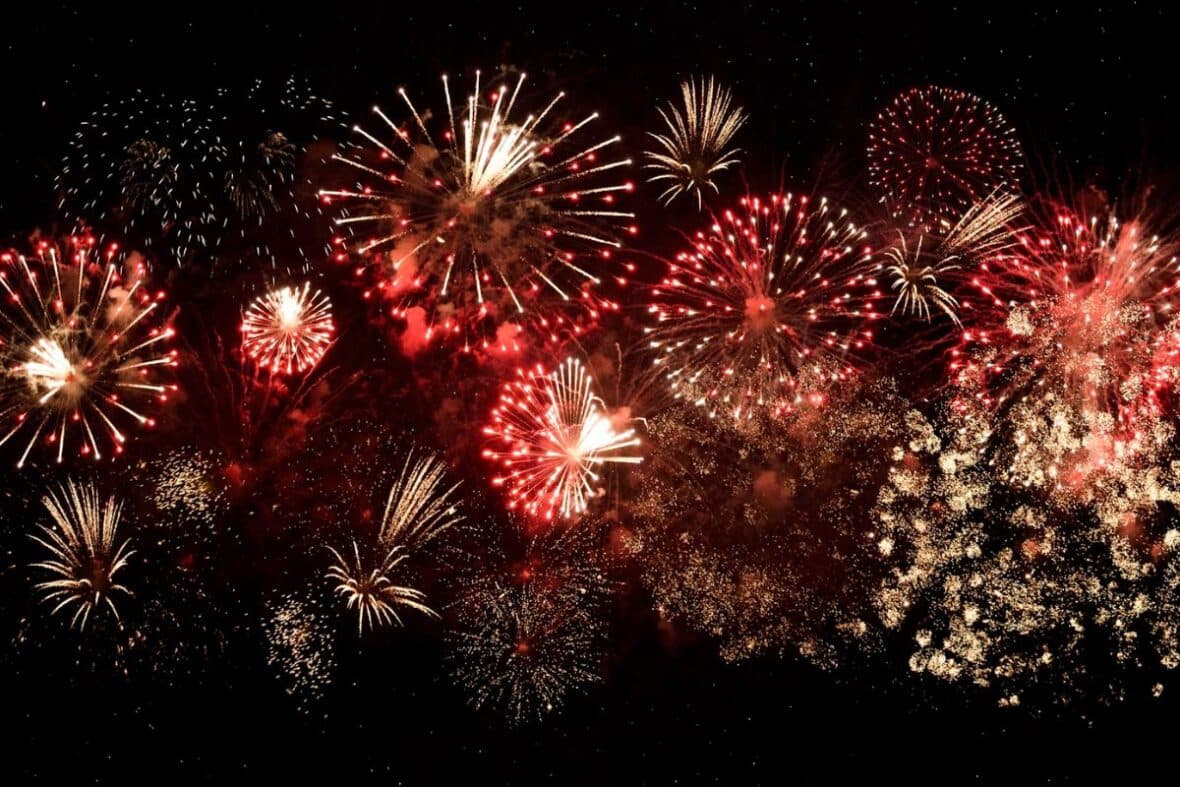
Unlike today, fireworks were not available to everyone in their early days. They were strictly run by “firemasters” and their assistants, “Green Men.”
Before the show, green men would tell jokes to the audience as they prepared for the colorful celebration. The fireworks shows were often in honor of military victories, religious events, or royal celebrations.
Fireworks were even more dangerous in the 1600s than they are today. Green men wore leaves to protect themselves from the sparks (hence the name) and often died or faced injuries during work.
4. Fireworks Were Orange
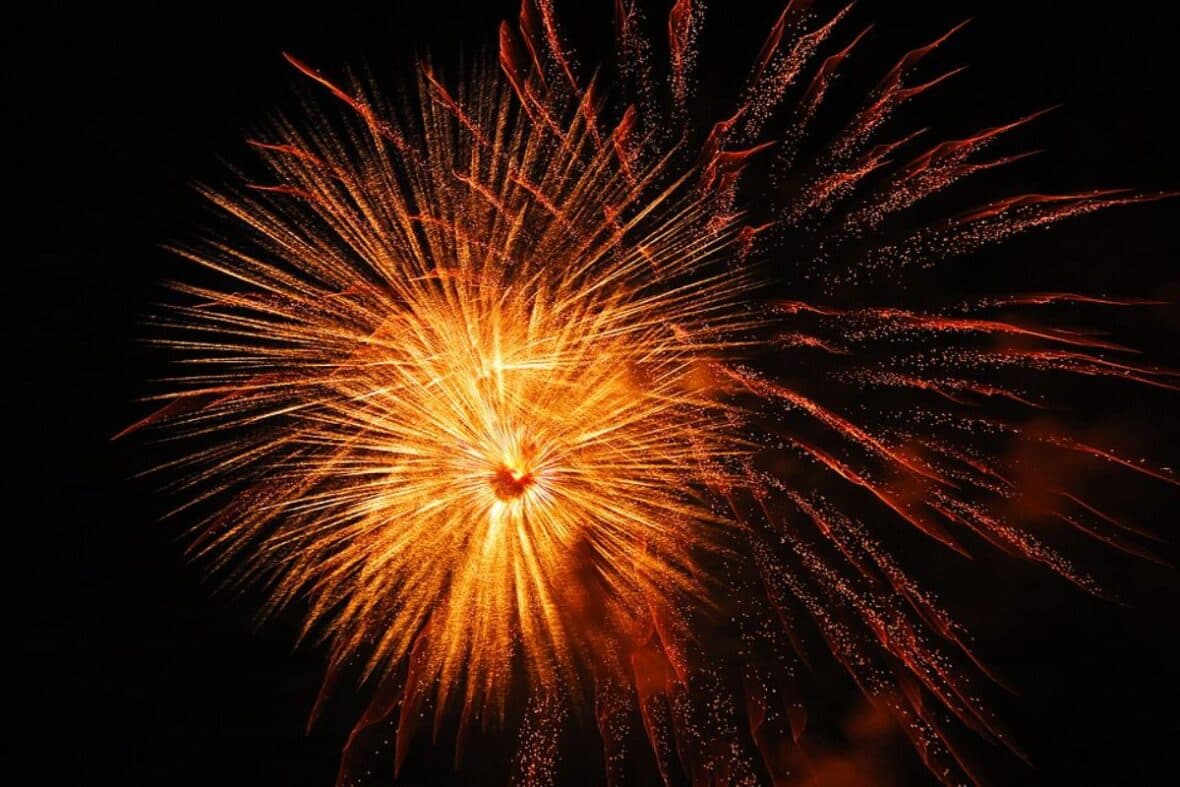
One of the best parts of fireworks is the bright array of different colors. Red, white, and blue are staples for the 4th of July, but we also see green, purple, pink, and many other colors we love. In the early days of these light shows, however, orange was the star of the show.
It was not until the 1830s that fireworks became colorful. Italians experimented with adding trace amounts of different metals into fireworks to create the colors we know and love today.
3. King Henry VII Introduced Fireworks to England
![Credit: Michel Sittow, Wiki Commons ( [[File:Henry Tudor of England cropped.jpg|Henry_Tudor_of_England_cropped]])](https://nerdable.com/cdn-cgi/image/quality=75,gravity=auto,metadata=none,format=auto,onerror=redirect/wp-content/uploads/2026/07/King-Henry-VII-1180x787.jpg)
[[File:Henry Tudor of England cropped.jpg|Henry_Tudor_of_England_cropped]])
Although other parts of Europe had experienced fireworks before this, England did not have them until King Henry VII’s wedding in 1486. The union of King Henry and Elizabeth of York merged the houses of Lancaster and York and ended the war between them, meaning it was a momentous occasion politically. Henry decided to celebrate the occasion accordingly.
The bright display of fireworks would mark the significance of the new Tudor dynasty that came out of the marriage. Not only that, it would portray their power and authority by lighting up the sky, which had never been done in that country.
2. Firemaster Awarded With Knighthood
Once fireworks were introduced in England, English royals often competed against other European countries for the best fireworks displays. Fireworks became a beloved staple, especially for King James II.
While most kings award Knighthood for military accomplishments, King James saw another worthy ability. He was so impressed by the fireworks displays of one of his firemasters that he awarded him knighthood.
1. John Adams Predicted 4th of July Fireworks.
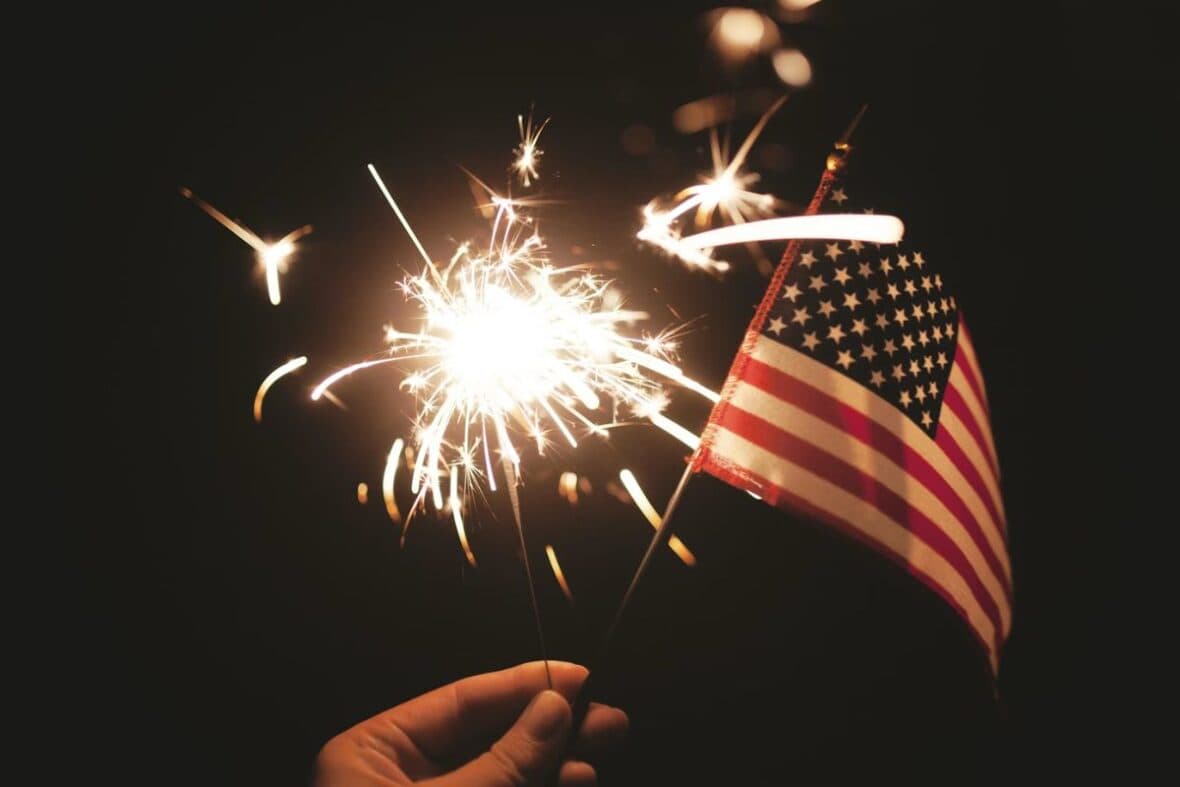
Last on our list of historical facts about fireworks is that John Adams predicted fireworks celebrations before the Declaration of Independence was signed.
On July 2, 1776, John Adams wrote a letter to his wife about the future of the nation. He wrote, “The Second Day of July 1776, will be the most memorable Epocha, in the History of America. I am apt to believe that it will be celebrated, by succeeding Generations, as the great anniversary Festival … Bonfires and Illuminations from one End of this Continent to the other from this Time forward forever more.”
Though he was off by a couple of days, he was right about the illuminations [referring to fireworks] and the annual celebration. It was only one year later that this prediction came to fruition as a fireworks show lit up the sky in celebration of the free nation.